A crossroads nationThe people of Morocco
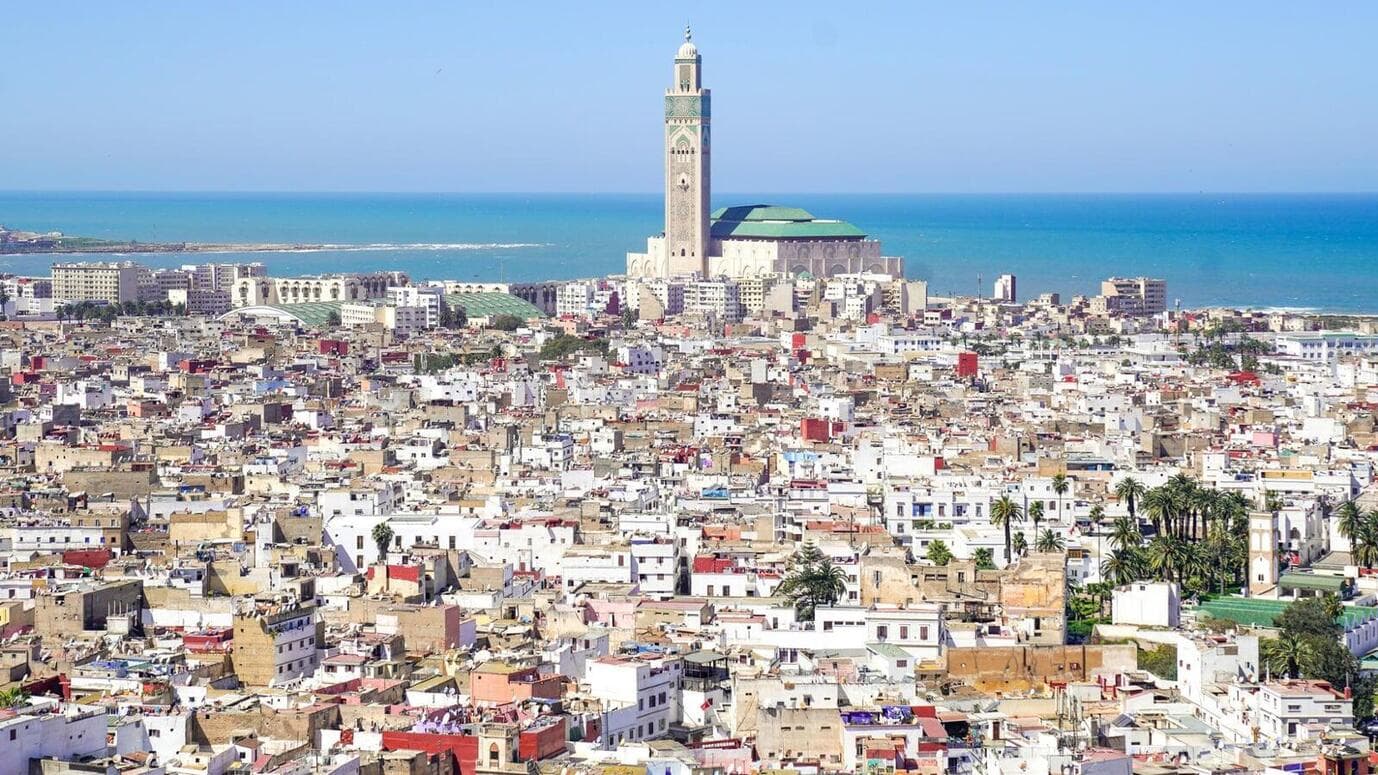
As of 2023, Morocco's population is approximately 37.8 million, with a median age of 29.3 years. The fertility rate is 2.3 births per woman, and life expectancy is 75.2 years, indicating a stable and growing population. Notably, 65.9 percent of Moroccans live in urban areas, with Casablanca, Rabat, and Fes among the largest cities. These figures describe a young, dynamic country, but the numbers only hint at the human variety you meet on the ground.
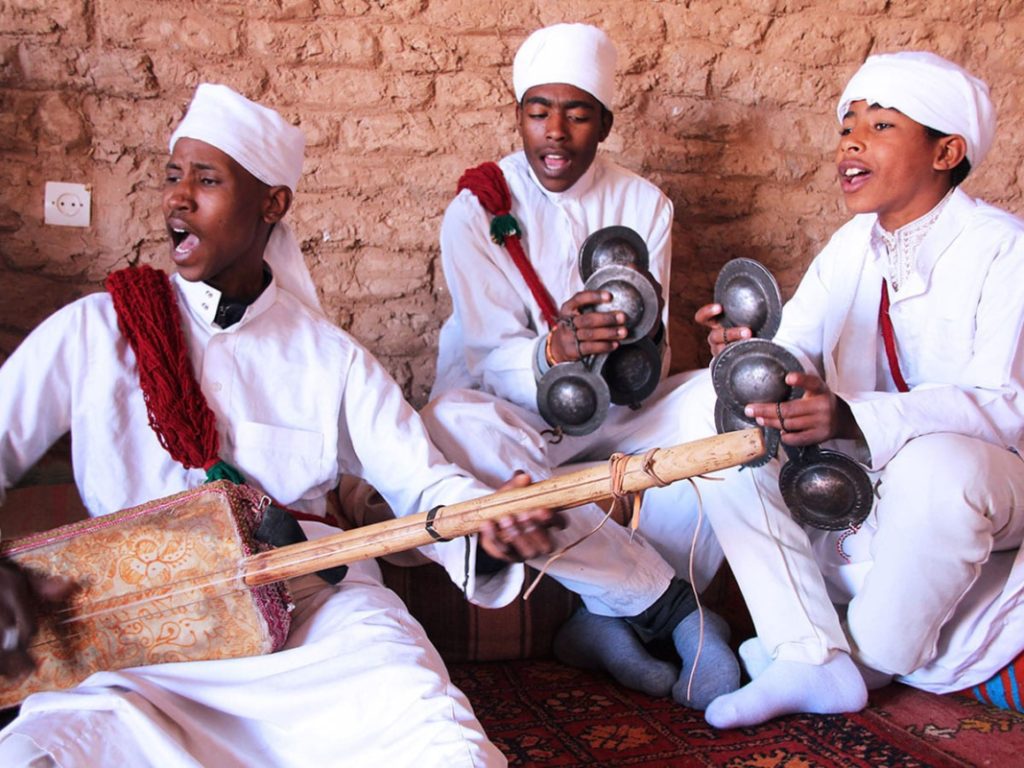
Ethnically, most Moroccans identify as Arab-Berber, a blend that has evolved over centuries of intermingling. There is also a significant Black Moroccan population, primarily descended from former slaves and labor migrants from sub-Saharan Africa, whose cultural influence is significant, especially in music and the arts. A small but important Jewish Moroccan community still exists, along with large groups of Amazigh (Berber-speaking) Moroccans, Sahrawis, and immigrants from many regions. Traveling with our Discover Morocco private tour lets you meet this human tapestry rather than simply read about it.
Amazigh rootsCultural influences and heritage
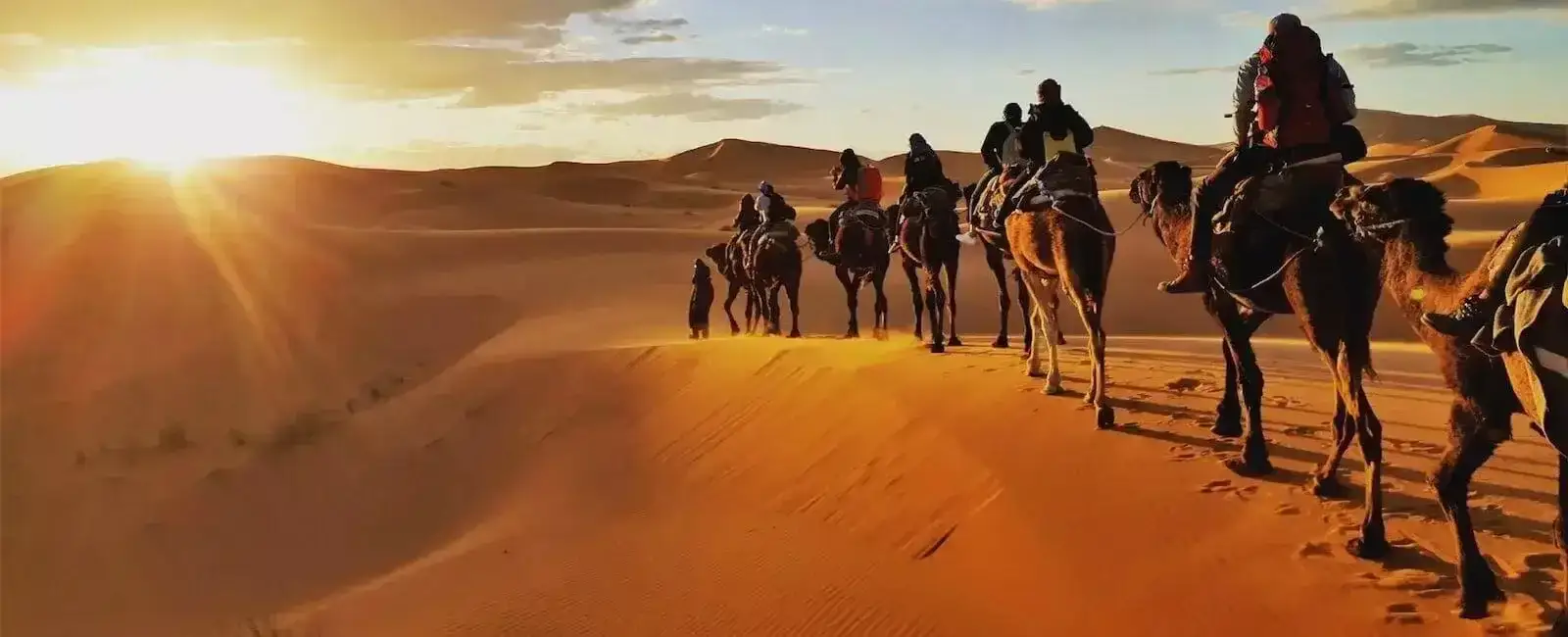
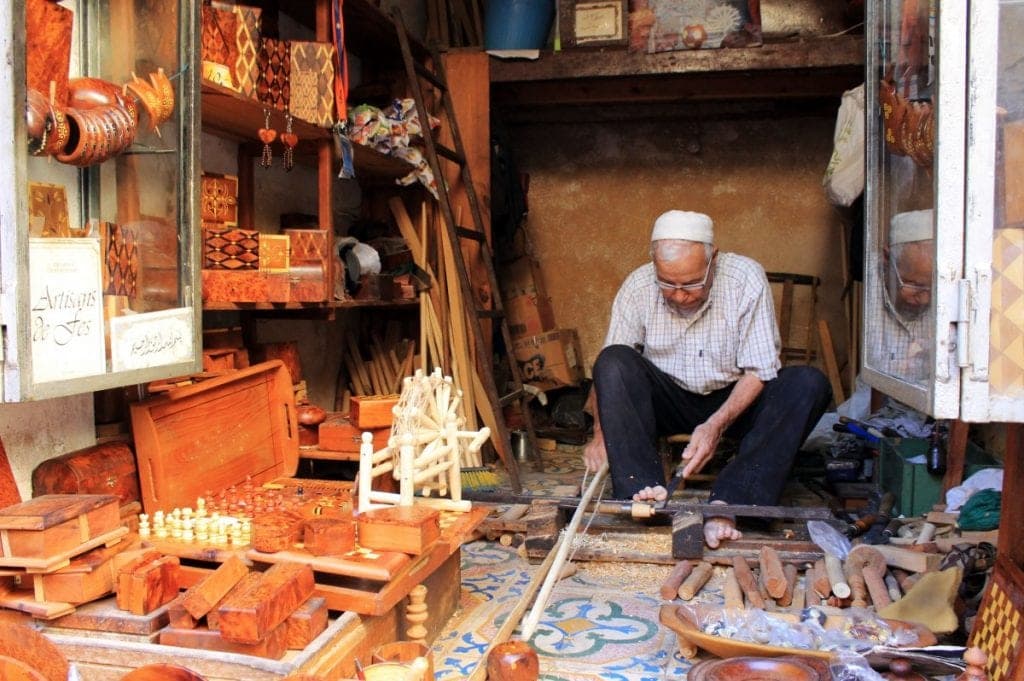
Moroccan culture is heavily influenced by its Berber roots. About 30 percent of the population is of pure Berber heritage, with the vast majority having some Berber ancestry. Berber groups such as the Drawa, Shilha, Riffia, and Sanhaja have distinct languages and customs but identify collectively as Amazigh, meaning "free people." Their imprint is everywhere, from the patterns woven into carpets to the words spoken in the markets. Our Moroccan culture guide explores this heritage in greater depth.
The country's history of colonization by France and Spain has left lasting impacts in language, architecture, education systems, law, art, and cuisine. Moroccan Arabic is infused with French and Spanish words, and immigrants from across Africa have introduced new art, music, and dance styles. For more on this layered past, from ancient dynasties to the modern kingdom, see our guide to Moroccan history.
Faith and daily lifeReligion and spirituality
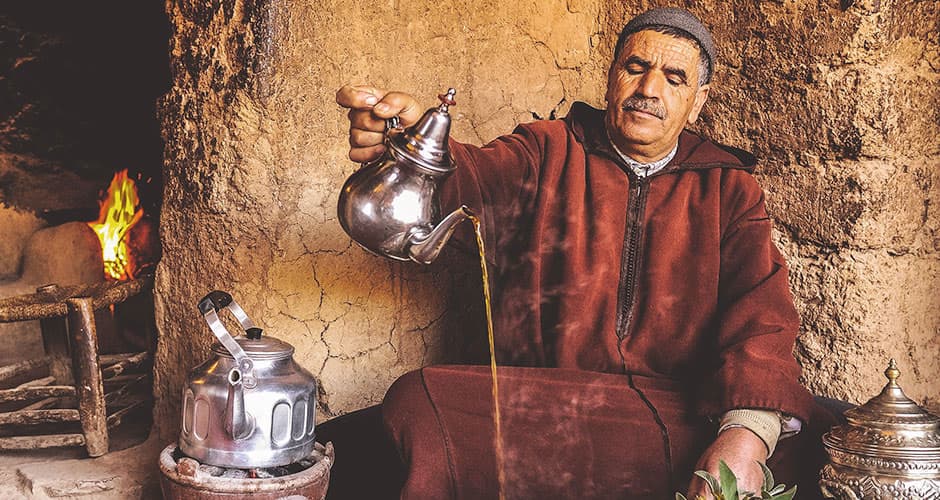
Islam is the predominant religion, with most Moroccans being Sunni Muslims. There is a small minority of Shia Muslims and followers of Sufism, known for its sacred poetry and mysticism. Christianity and Judaism also have a presence, especially in the larger cities, where synagogues and churches sit within walking distance of grand mosques. Faith shapes the rhythm of the day, from the call to prayer to the shared meals that mark the calendar, and it underpins the famous Moroccan welcome you will feel as a guest — a warmth explored in our note on the rituals of Moroccan hospitality.
Sweet and savoryCustoms, traditions, and cuisine
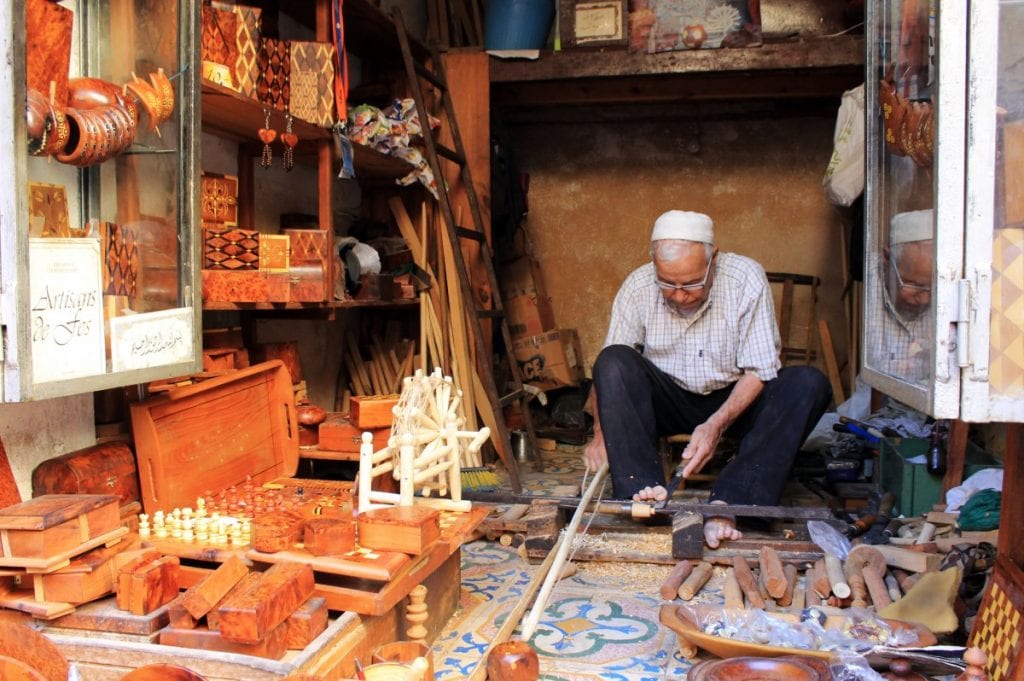
Morocco is known for its hospitality and cultural blend. Traditional Moroccan weddings are elaborate, vibrant celebrations of unity and love. Traditional clothing varies with the occasion, with djellabas for casual wear and more elaborate attire such as caftans and takshitas reserved for formal events. These customs are not relics for tourists but living practices you encounter in ordinary streets and family homes.
Moroccan cuisine reflects centuries of trade and conquest, blending sweet and savory flavors in a tradition that reaches back to Ancient Roman cooking. Dishes like tagine, couscous, pastilla, and harira embody regional influences and ancient techniques. Food is one of the clearest windows into the culture, and our companion piece on what to eat and where to eat it shows how to taste your way across the country.
A country that singsMusic and the arts
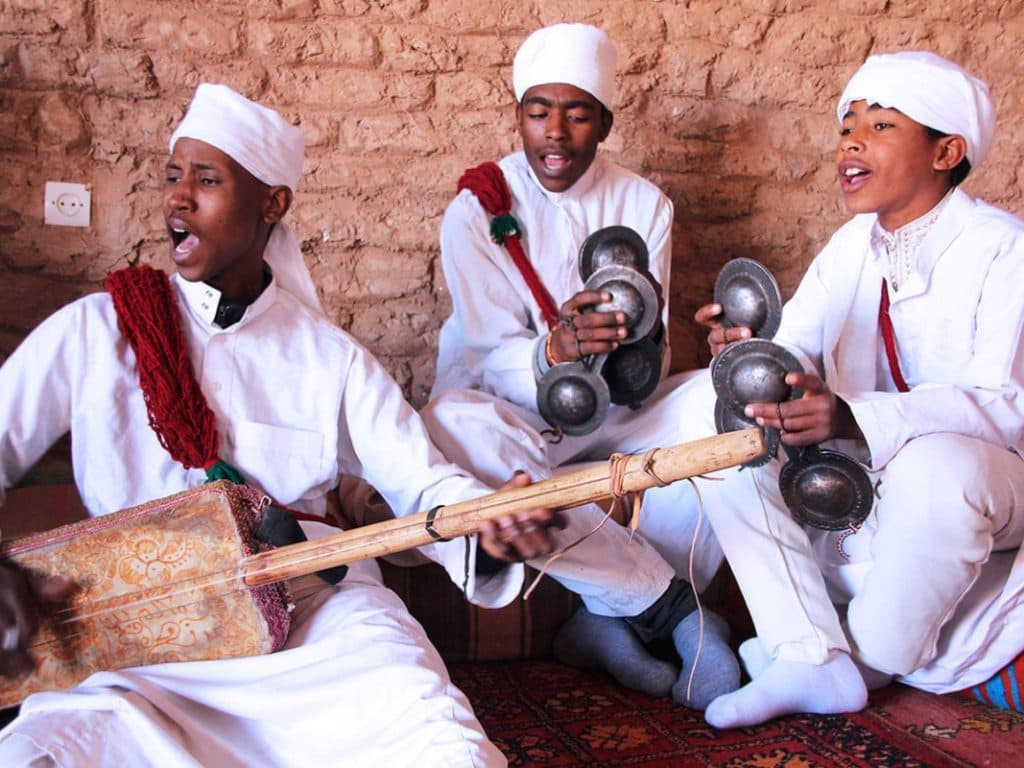
Moroccan music is diverse, reflecting its multi-ethnic background. Traditional genres like Gnaoua, Berber, Rai, and Andalusian music have seen a revival. Andalusian music, dating back to the 9th century, is considered Morocco's classical music and is played on special occasions, while Chaabi is more popular and festive, often heard at weddings and parties. To hear these sounds in their proper setting, in a riad courtyard, a village square, or a desert camp, is one of the quiet pleasures of a private journey. Many travelers weave this culture together with the country's great urban centers described in our guide to Morocco's must-visit cities.
Where it fitsExperience Morocco's living culture
The people of Morocco, with their rich ethnic diversity and cultural heritage, offer a unique and vibrant experience for travelers. Their traditions, cuisine, and music reflect the country's historical depth and its dynamic present in equal measure. Founded by Brahim Jounh, born in Agoudal, a Berber village in Morocco's High Atlas, and now based in Canada, Gateway2Morocco designs 100 percent private journeys around exactly this kind of encounter, earning a 4.9-star rating on TripAdvisor across more than 300 reviews. The itineraries below carry you into the heart of the country's living culture.
A written proposal within 48 hours — no deposit, unlimited revisions.
Begin your journey