Morocco is a year-round destination, but the right time to visit depends on where you want to go and what you want to experience. For North American travelers planning a private tour, timing the trip well makes a real difference to comfort, scenery, and the whole feel of the days. What follows is a season-by-season and month-by-month view, drawn from arranging journeys here since 1999.
MARCH · APRIL · MAYSpring (March to May): the sweet spot
Spring is widely considered the best overall season to visit Morocco. Temperatures are mild and pleasant across most of the country, from the imperial cities to the edge of the Sahara. The landscapes turn green and blooming, and the light is ideal for photography, soft in the morning and long in the late afternoon. This is when much of Morocco looks its most romantic.
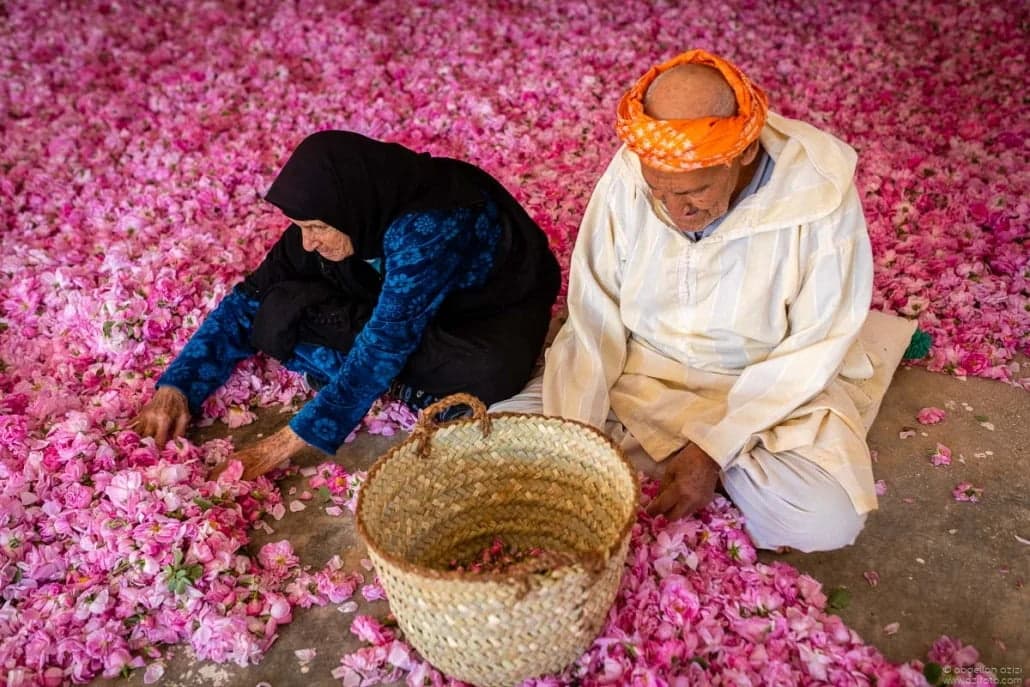
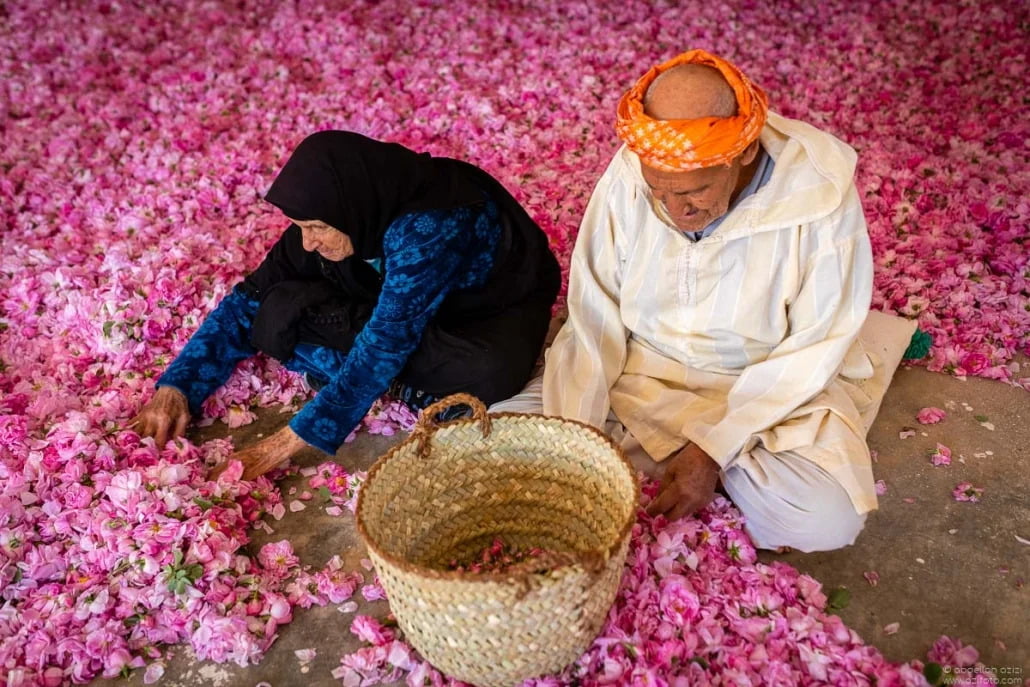
March through May is perfect for pairing Fez and Marrakech with the Atlas Mountains and the desert around Merzouga. Crowds stay manageable, and the weather rarely disrupts travel plans. If you are shaping a broad, well-rounded itinerary, spring gives you the most versatile conditions, and one of its quiet highlights is the rose harvest, celebrated at the Kalaat M'Gouna festival in the valley of a thousand kasbahs.
SEPTEMBER · OCTOBER · NOVEMBERFall (September to November): a close second
Fall rivals spring as the most comfortable time to travel. The summer heat has faded, the desert is accessible again, and the Atlantic coastal towns are still warm and inviting. October in particular is a favorite among our North American guests, holding a settled, golden quality that suits a slower pace.
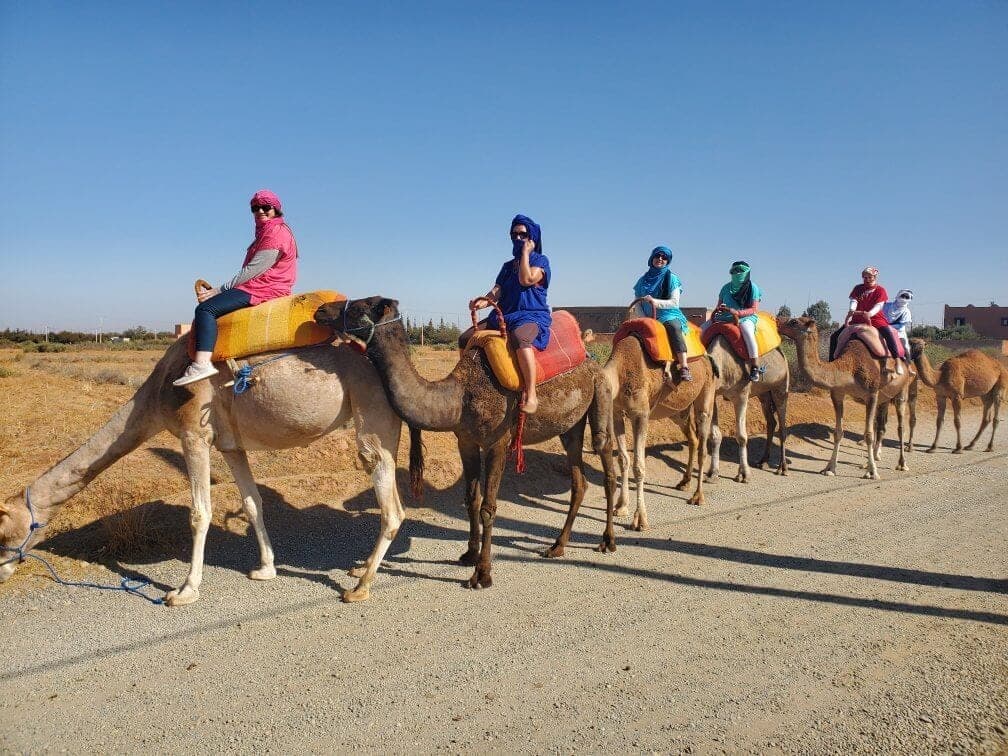
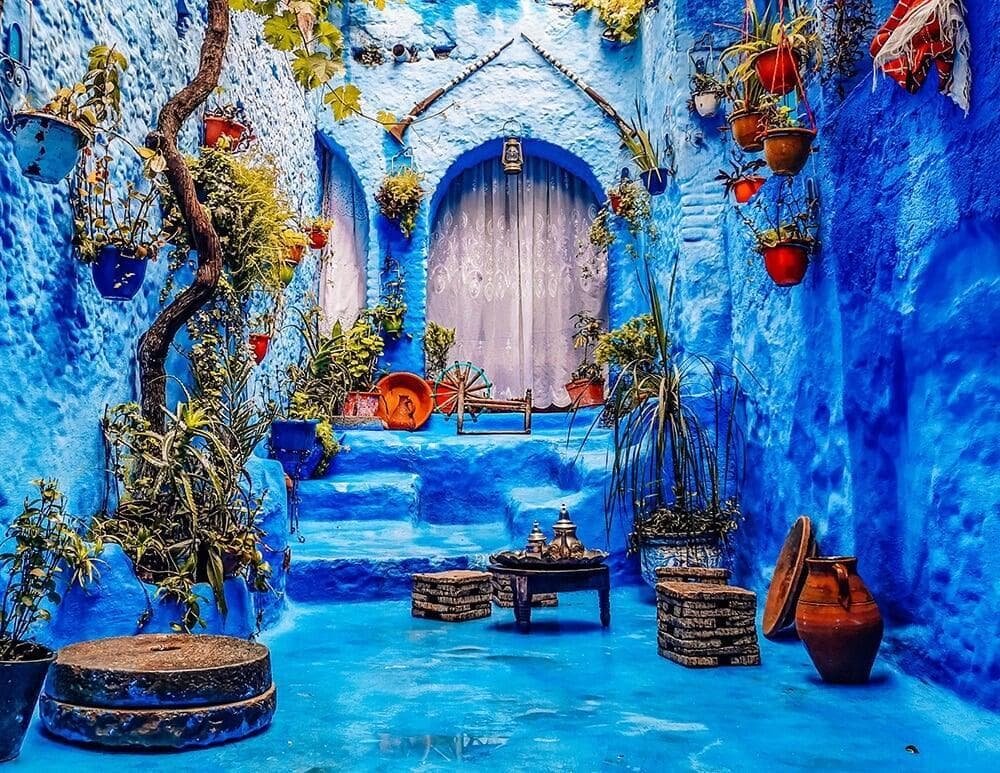
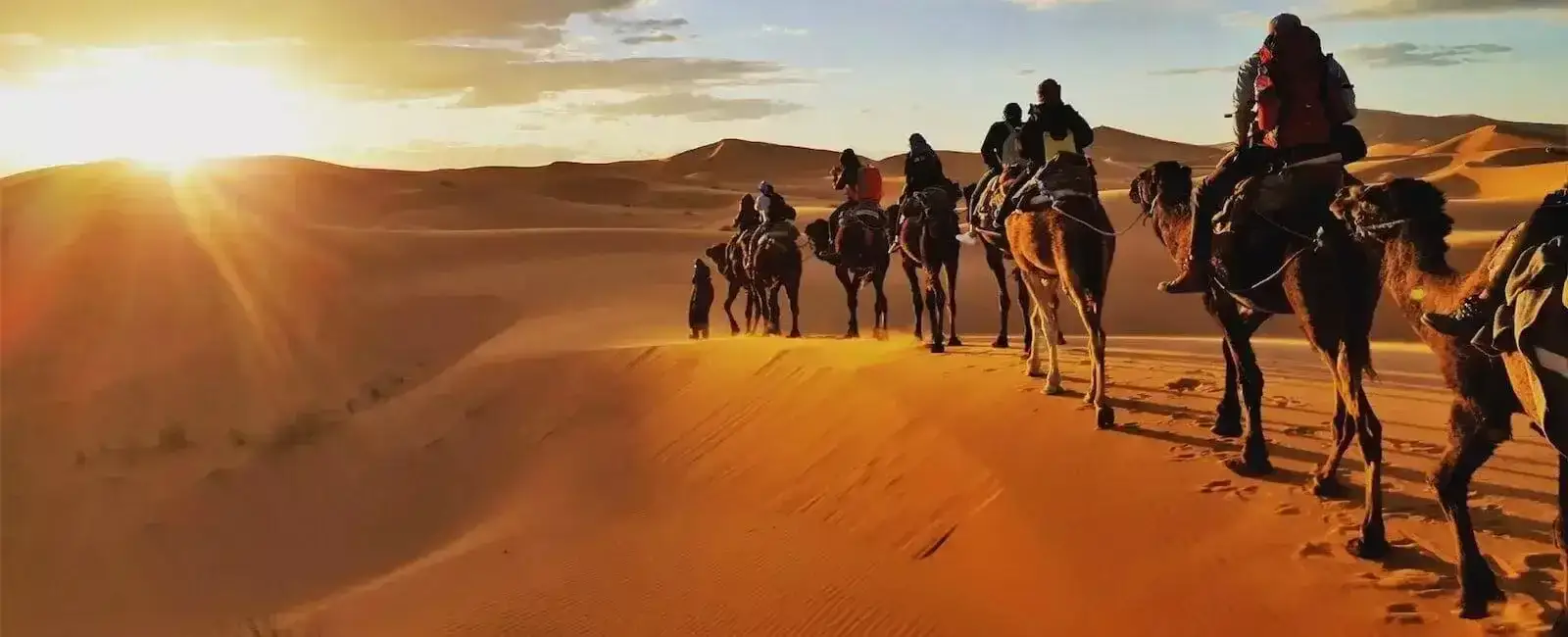
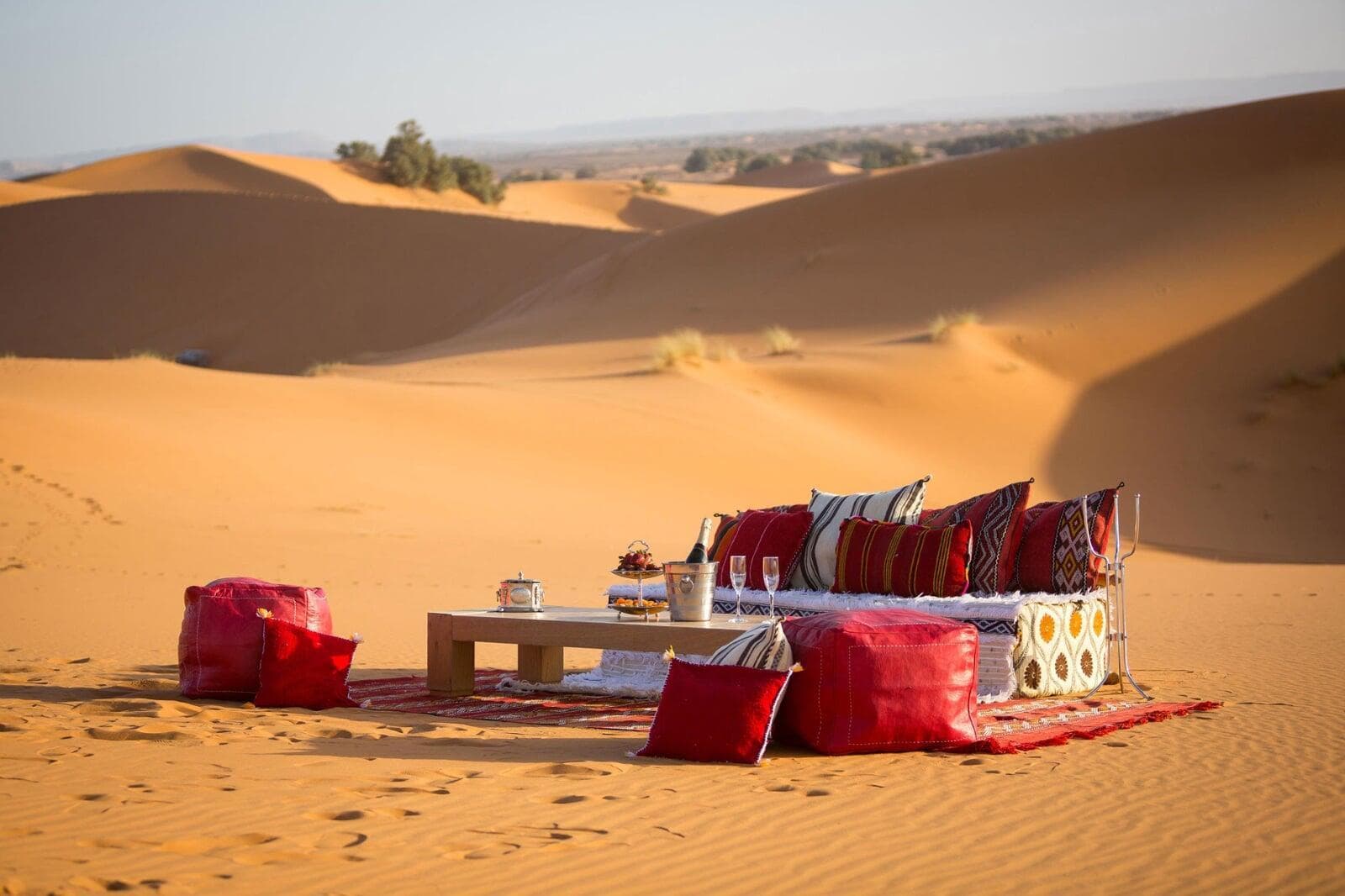
The season works especially well for travelers who want to combine the Sahara Desert with cities like Chefchaouen or the coastal calm of Essaouira. The pace feels relaxed, and the quality of the late-afternoon light is stunning across the medinas and mountain passes. Our Marrakech, Draa Valley and Erg Chigaga journey is a natural fit for these months, when the dunes are warm by day and cool by night.
DECEMBER · JANUARY · FEBRUARYWinter (December to February): quiet and surprisingly beautiful
Winter is an underrated time to visit Morocco. The imperial cities are far less crowded, and the atmosphere in places like Fez and Marrakech feels more authentic and unhurried. City temperatures are cool but rarely cold, which keeps sightseeing comfortable and lets you linger in courtyards and tea rooms without rushing.
One important note for desert travelers: winter nights in the Sahara can be very cold. We always advise guests planning a Merzouga experience in winter to pack layers and prepare for near-freezing overnight temperatures. That said, the daytime desert light in winter is extraordinary, clear and sharp, and our notes on how to pack and prepare for a private tour cover exactly how to stay warm after dark.
The Atlas Mountains may see snow from December through February, which creates dramatic scenery but can occasionally affect mountain road access. Your private driver and guide always plan routes with current conditions in mind, so a closed pass becomes a beautiful detour rather than a problem.
JUNE · JULY · AUGUSTSummer (June to August): best for the coast and the north
Summer is the most challenging season for inland travel. Marrakech and the Sahara can reach extreme temperatures, often above 40 degrees Celsius, which is 104 Fahrenheit. The northern coast, the Rif Mountains, and Atlantic towns like Essaouira, however, stay pleasant and breezy, cooled by the ocean air.
For travelers with flexible dates, a summer custom tour can be designed around the cooler regions while still capturing the essence of the country. We simply adjust the routing, favoring the coast and the mountains, to keep you comfortable throughout. Matching what you pack to where you go matters most in this season, and our weather guide to packing for every region is the companion piece to have open.
MAKING IT YOURSMatching your travel style to the season
The best time to visit Morocco is ultimately the time that fits your schedule and your interests. A well-planned private tour adapts to the season rather than fighting it. Whether you are drawn to the rose valleys of the Dades Gorge in spring, the golden dunes of the Sahara in fall, or the festive winter medinas of Marrakech, there is a version of Morocco waiting for the dates you have. Our companion piece on the ideal seasons for your dream journey looks at the same question through the lens of the experiences you most want.
QUICK ANSWERSCommon month-by-month questions
Our team designs every itinerary around your travel dates, preferred pace, and the experiences that matter most to you. For a broader sense of the practical side, from safety to the small logistics, our guide to staying safe and enjoying your trip and our overview of common Morocco travel questions are both worth a read before you settle on dates.
Another way to choose is to match the season to the trip you want. Spring brings blooms and festivals like the Kalaat M’Gouna rose harvest; autumn lines up cities, coast, mountains and desert for a grand all-in-one loop; winter offers quiet medinas, softer prices, clear desert nights and even skiing in the High Atlas; and summer belongs to the Atlantic coast and the mountains while the interior rests. There is no single best month — only the best season for the journey you have in mind.
A written proposal within 48 hours, built around your season and pace. No deposit, unlimited revisions.
Begin your journey