BEFORE YOU GOPreparing for a private Morocco tour
Morocco is a country of sensory contrast, from the cool Atlantic coast to the heat of the Sahara, from the tiled calm of a riad courtyard to the layered noise of an old medina. When you travel with a dedicated private vehicle, a licensed guide, and an itinerary built around your dates, the logistics take care of themselves. A little preparation on your side is what turns a smooth trip into an effortless one.
We founded Gateway2Morocco, and over the years we have learned that the travelers who pack well and prepare their health early tend to relax faster once they arrive. This guide covers all three parts of that groundwork: clothing and gear, health before and during the trip, and what to expect once you are on the road with us. When you are ready, browse our range of private Morocco tours to see how the days come together.
THE PACKING LISTWhat to pack for Morocco
Morocco is a Muslim-majority country with a warm, conservative culture, so lightweight and modest clothing works best. Think linen trousers, long skirts, and breathable tops that cover the shoulders, especially in medinas, mosques, and rural villages. You do not need to dress formally. Covering up simply shows respect and helps you move through the country comfortably and without attention.
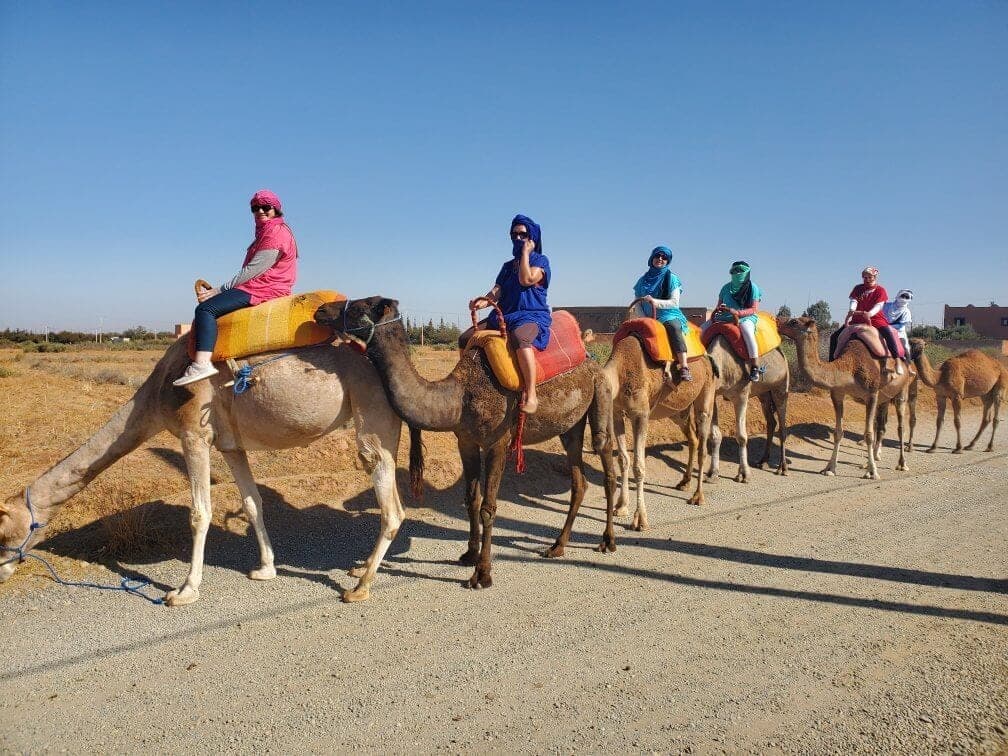
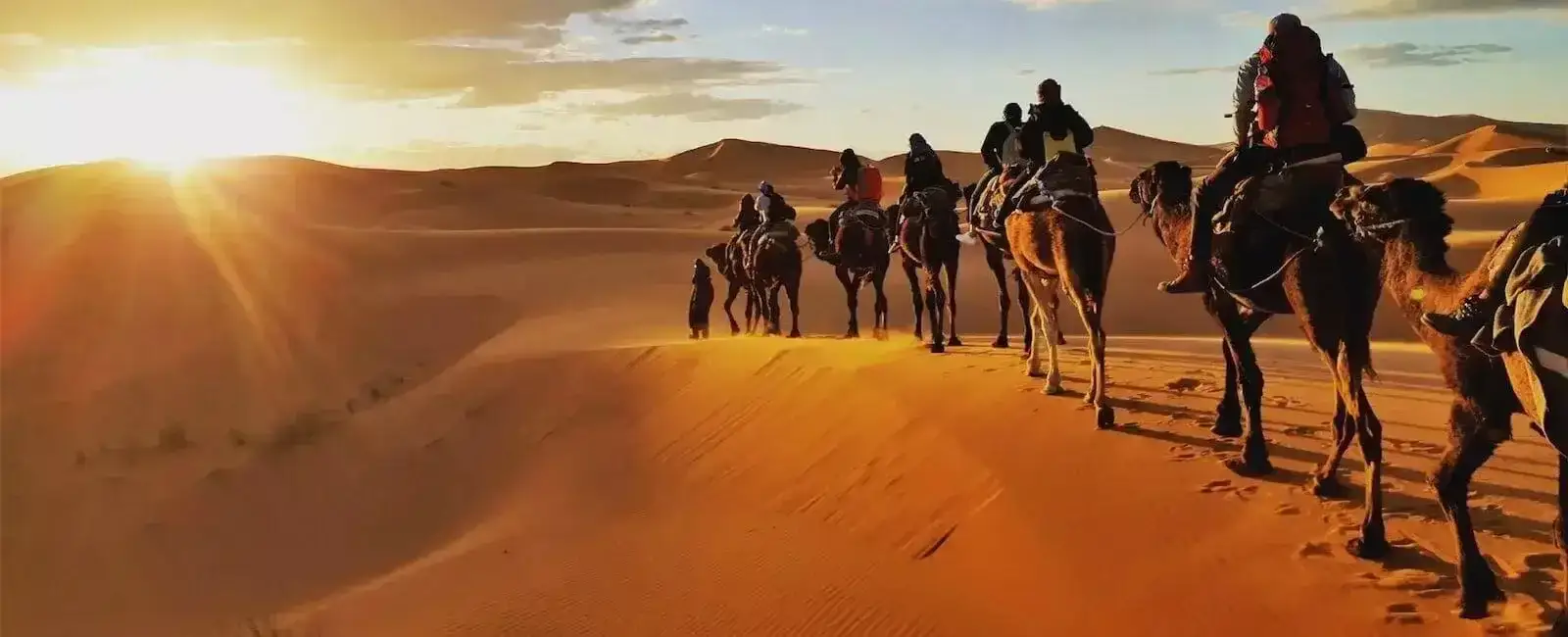
For the Sahara, bring a light jacket or fleece. Desert nights drop sharply in temperature, even in summer, and the difference between a sunlit dune at four in the afternoon and the same dune at midnight is genuinely startling. A wide-brimmed hat, sunglasses, and a scarf or shemagh are practical against both the sun and drifting sand. Morocco's weather shifts by region, so it helps to read our region-by-region weather and packing notes before you finalize your bag.
Footwear
Medina streets are uneven, narrow, and often paved with old, worn stone. Comfortable walking shoes with good grip are essential, and closed shoes protect your feet in busy souks. Sandals work well for riad courtyards and Atlantic beach towns. Whatever you bring, avoid brand-new shoes, and break them in at home for a week or two before you travel so blisters never become the story of your first day.
Other essentials
- A small daypack for medina walks and half-day excursions
- High-SPF sunscreen, which is harder to find locally in familiar brands
- A reusable water bottle, refilled from safe sources your guide points out
- A power adapter for Type C and Type E sockets
- Some cash in Moroccan dirhams, with ATMs widely available in the cities
- A basic personal medicine pouch, covered in the health section below
STAYING WELLHealth tips before and during your trip
Vaccinations and precautions
No vaccinations are required to enter Morocco for Canadian or American travelers. Even so, it is worth confirming that your routine vaccines are current. Travel health clinics commonly recommend hepatitis A, typhoid, and tetanus for the region, and the right timing matters, so consult your doctor or a travel medicine specialist at least four to six weeks before departure. For a fuller picture, our Morocco health and vaccinations guide walks through the recommendations in detail.
Food and water
Stick to bottled or filtered water throughout your trip, and in some regions it is wise to use it for brushing your teeth as well. Moroccan cuisine is generally safe when eaten at reputable restaurants and riads, and your guide will steer you toward the places locals trust. If your stomach runs sensitive, be a little cautious with raw salads and unpeeled fruit from street stalls until you find your feet.
Mild digestive adjustment in the first day or two is common and rarely serious. Pack a small travel health kit with antidiarrheal tablets, rehydration salts, antihistamines, and any prescription medications you rely on. Moroccan pharmacies are well stocked and the pharmacists are knowledgeable, but carrying your own familiar supply spares you from hunting for it on day one.
Sun and heat
Dehydration is the single most common issue travelers face, especially in the south and through the summer months. Drink water steadily across the day rather than in occasional gulps, wear protective clothing, and pace yourself through the midday heat. One quiet advantage of a private itinerary is that we can shift the outdoor hours: sights early, a long lunch and rest through the fiercest sun, and the medinas again in the golden late afternoon. If timing your season matters to you, our month-by-month guide to visiting Morocco is a good next read.
DAY TO DAYWhat to expect on the ground
Traveling on a private Morocco tour means you are never sorting out logistics alone. Your dedicated driver handles every transfer in a comfortable, air-conditioned vehicle, and your licensed guide manages entrances, timing, and local context, so your attention stays entirely on the experience in front of you. Medinas can feel overwhelming at first, with lanes that twist and sounds that layer, but a knowledgeable guide beside you changes everything: you understand what you are seeing, and you never feel lost or pressured.
Tipping is customary in Morocco and a genuine way to show appreciation. As a rough guide, 20 to 50 dirhams is a fair amount for hotel staff who help you, and your guide and driver will appreciate a gratuity at the end of the tour. Your trip coordinator can advise on appropriate amounts for your specific itinerary, so you are never left guessing. Once your bag is sorted, the last piece is choosing where to go, which is exactly where a well-planned trip to Morocco begins.
If you would like a printable checklist to work from as your dates approach, our Morocco packing list lays it all out in one place, from wardrobe to documents to the small comforts that make long travel days easier.
A written proposal within 48 hours, built around your dates, pace, and interests. No deposit, unlimited revisions.
Begin your journey