
 Best value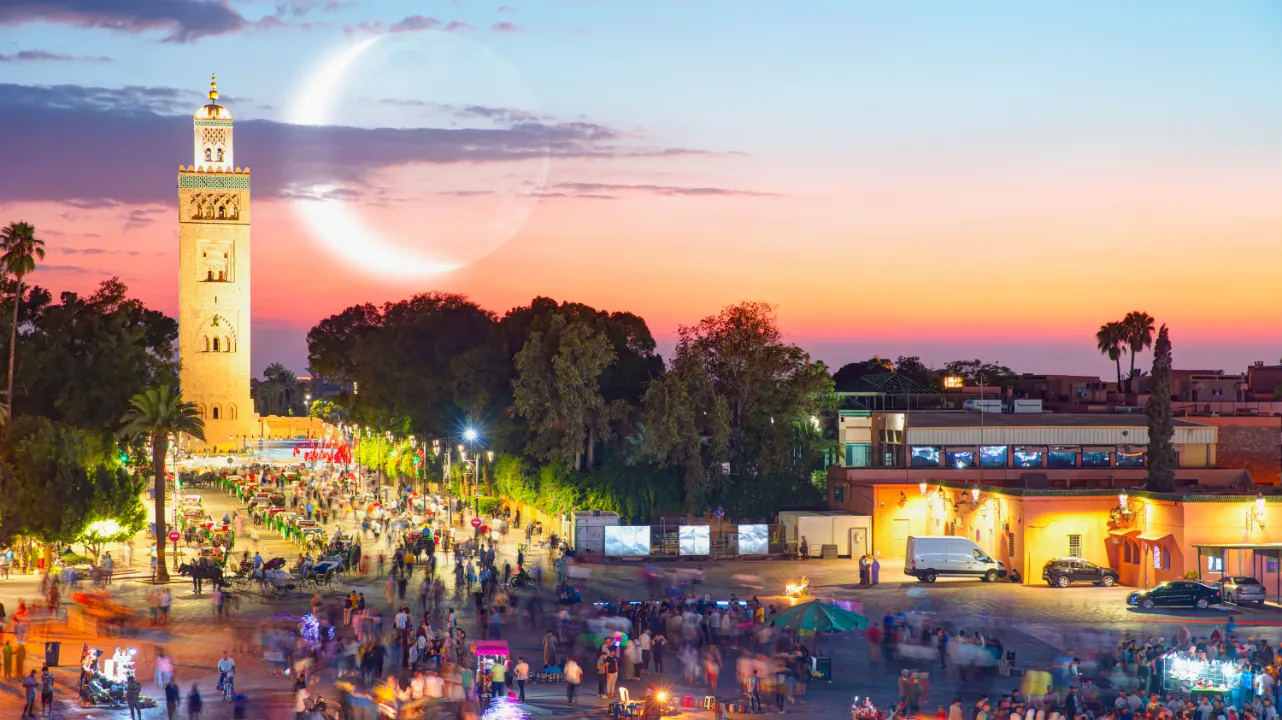
Travel guide
Moroccan Culture, Cuisine & Art
Moroccan culture is a vibrant blend of Berber (Amazigh), Arab, Andalusian and French influences — expressed through legendary cuisine, intricate craft, distinctive architecture, and a deep tradition of hospitality.
By Brahim Jounh13 min read
★ 4.9
on TripAdvisor
300+
verified reviews
100% private
tailor-made journeys
Licensed CA agency
BC Consumer Protection #80460
Living heritage
Why Moroccan Culture Captivates Travelers
Morocco bursts with vibrant colors and rich traditions, its culture a stunning tapestry of diverse influences. From lively souks to the tranquil Sahara dunes, every corner delivers a sensory adventure.
Tagines and couscous carry spices from the old trade routes; zellige, Berber rugs and riad artistry reward a slow eye; Gnawa rhythms and mint tea poured from a height mark the hours. None of it is staged for visitors — it is simply how the country lives.
4.9 ★
TripAdvisor rating
300+
Traveler reviews
100%
Private departures
Roots & identity
The Heart of Traditional Moroccan Culture
At the core of Moroccan culture lies its rich tapestry of traditions. Influences from Berber (Amazigh), Arab, Andalusian, and French cultures create a unique blend found nowhere else in North Africa.
The Berbers — Morocco's indigenous people — have a profound impact, particularly in rural areas. Their customs, language (Tamazight, an official language alongside Arabic), and crafts shape everyday life in the Atlas Mountains, the Sahara, and beyond.
Moroccan culture celebrates community and hospitality above all. Visitors are welcomed with warmth, symbolized by sharing mint tea, known affectionately as "Moroccan whiskey." Refusing a cup is considered impolite — accepting one opens doors to genuine cultural exchange.
“Mint tea is affectionately called “Moroccan whiskey” — accepting a glass opens the door to genuine cultural exchange.”
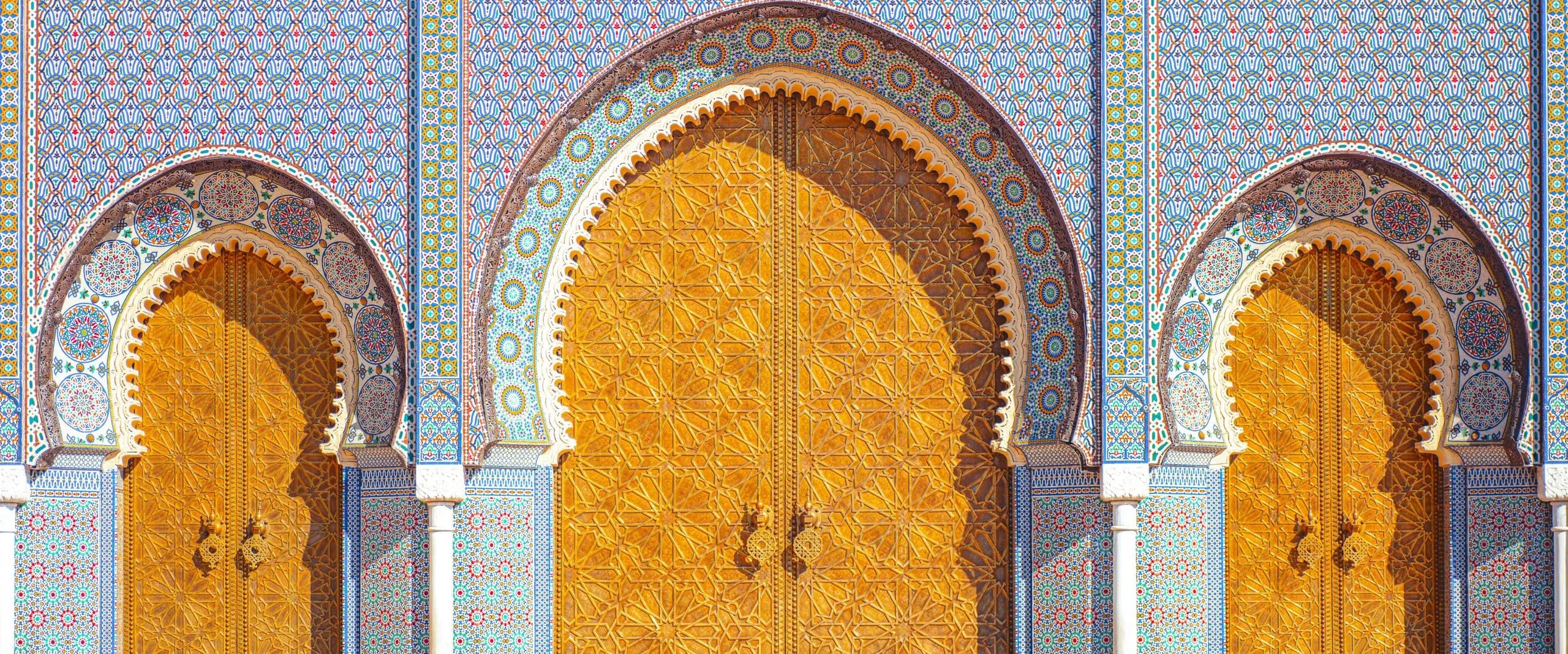
Traditional Moroccan art is deeply linked to Islamic art. It features intricate geometric patterns and stunning arabesques. These designs appear in architecture, textiles, leatherwork, and metalcraft.
Key aspects of traditional Moroccan culture include:
- Family-oriented lifestyle and multi-generational living
- Legendary hospitality (especially the mint tea ritual)
- Five daily calls to prayer shaping daily rhythm
- Emphasis on music, dance, and oral storytelling
- Vibrant religious and cultural festivals
- Strong artisan traditions passed through generations
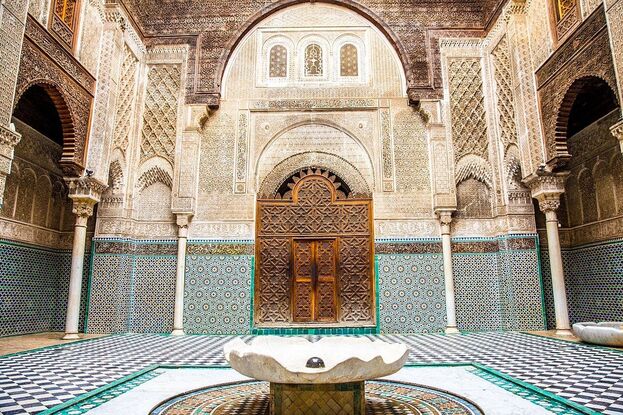
The city's pulse can be felt in the medinas — especially in historic Fez, the world's oldest continuously inhabited medieval city. The maze-like streets offer glimpses into Morocco's past where the Imperial Cities tour brings these traditions to life.
At the table
Moroccan Cuisine: Flavors, Rituals & Regional Specialties
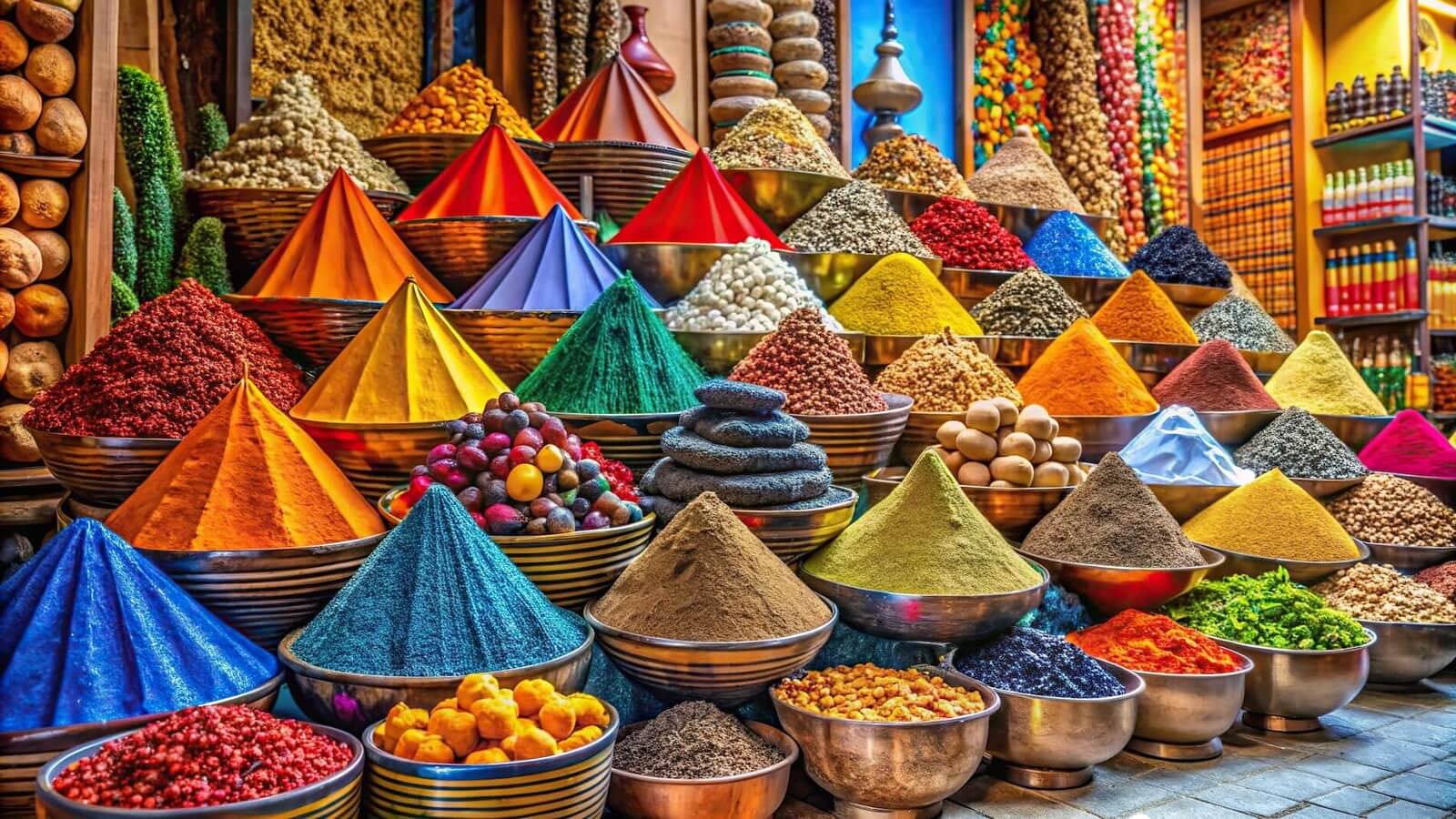
Moroccan cuisine is a symphony of flavors. It skillfully blends spices such as cumin, saffron, cinnamon, ginger, and paprika. Each dish tells a story of cultural fusion and history — Berber, Andalusian, Arab, Sub-Saharan African, and French influences all meet on the Moroccan table.
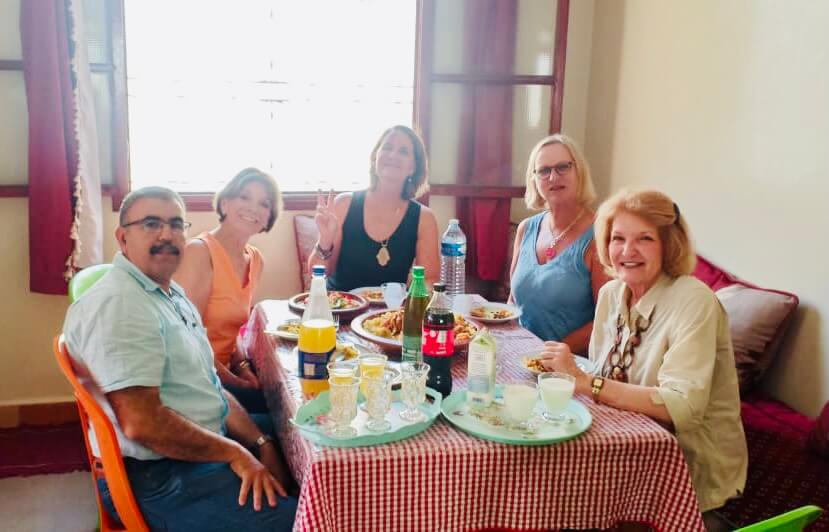
Meal times in Morocco are about more than eating. They are social events that foster community and connection. Eating together — often from a shared central platter, with the right hand — is an expression of care and unity.
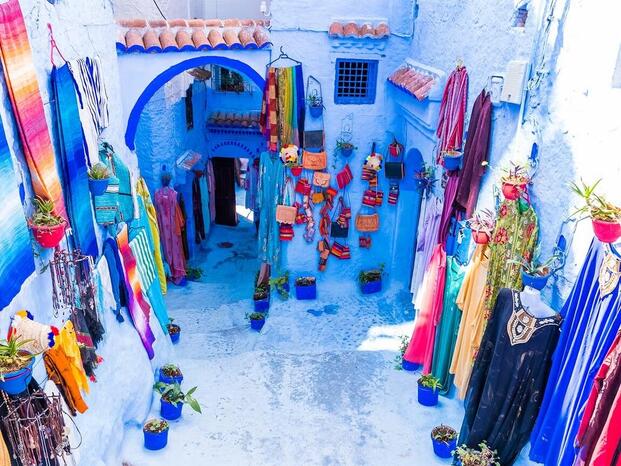
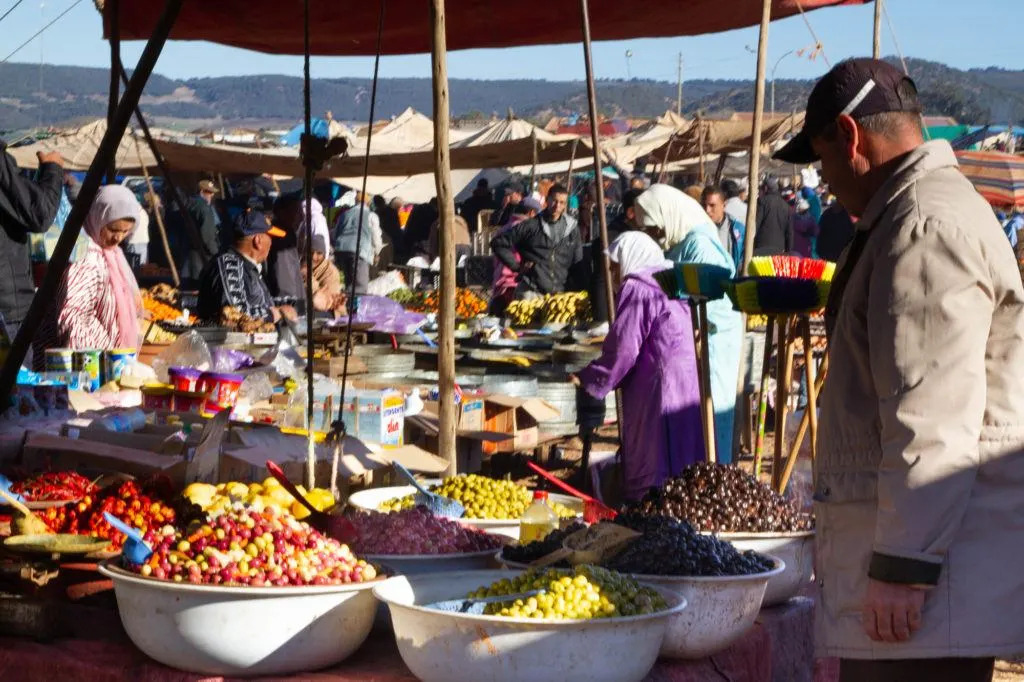
In Marrakech, you might savor spicy harira soup. Further north in the blue city of Chefchaouen, fresh goat cheese, olives, and Andalusian-style mountain bread dominate.
Foods you should try during your visit include:
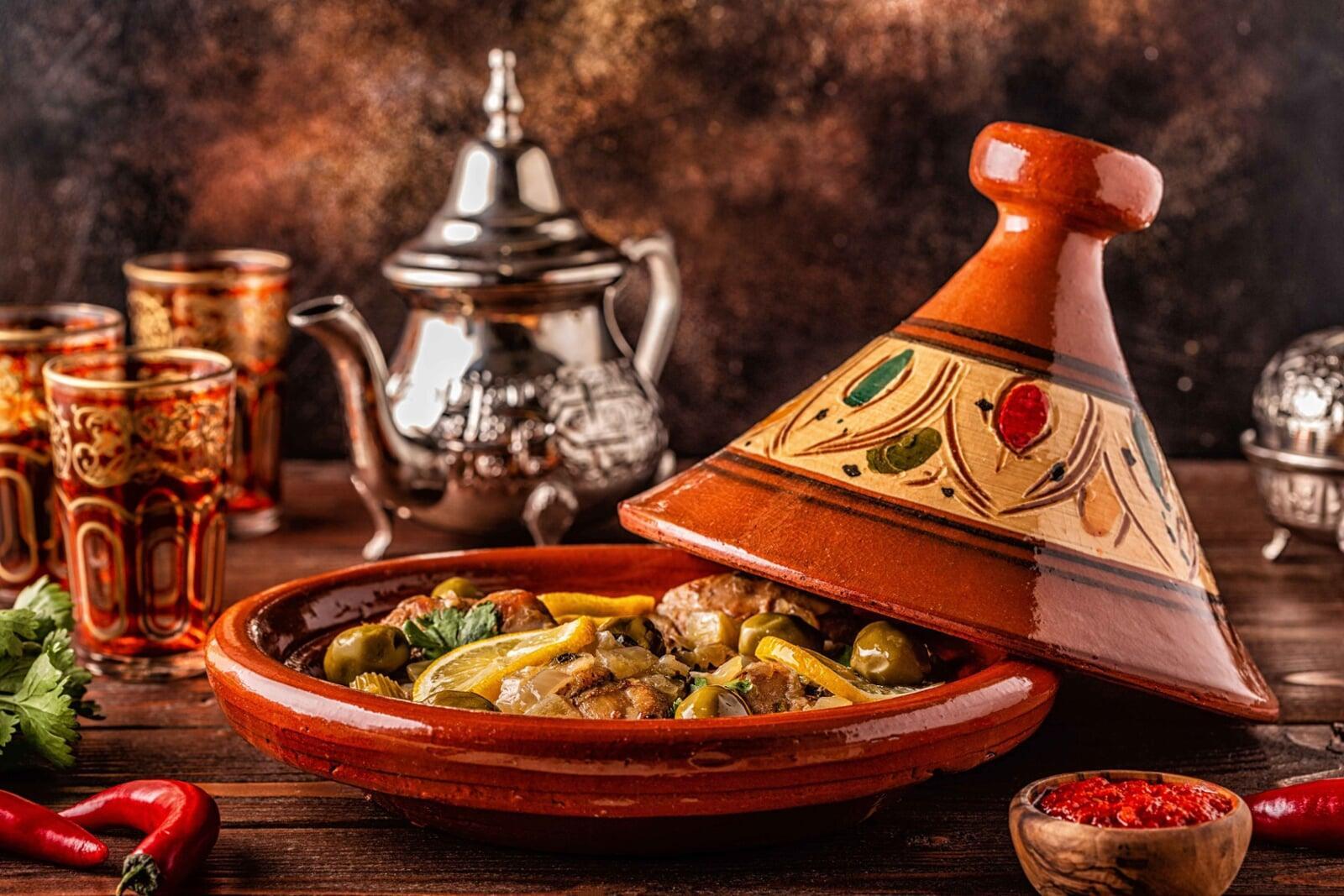
- Tagine — a slow-cooked stew (chicken with preserved lemon, lamb with prunes, kefta meatballs)
- Couscous — fluffy semolina with seven vegetables, traditionally served on Fridays
- Bastilla (Pastilla) — a sweet-savory pastry filled with spiced chicken or pigeon, almonds, and powdered sugar
- Harira — a comforting lentil-tomato soup, traditional for breaking Ramadan fast
- Mechoui — slow-roasted whole lamb, a celebration centerpiece
- Tangia — a Marrakech specialty cooked overnight in clay urns in the hammam embers
“The art of cooking in Morocco is passed through generations — traditional methods cherished, keeping history alive.”
Signature Dishes and Ingredients
Moroccan cuisine features several signature dishes. Tagine, a slow-cooked stew, is iconic. It's prepared in a unique earthenware pot whose conical lid traps steam and enhances flavors. The same word refers to both the cooking vessel and the dish itself.
Couscous, another favorite, is versatile. It's served with a mix of vegetables and tender meat. This dish is central to family meals and Friday gatherings after midday prayer.
Bastilla combines sweet and savory in flaky perfection. Layers of warqa pastry hide spiced chicken or pigeon, with cinnamon and powdered sugar dusted atop — a uniquely Moroccan flavor combination.
Must-try Moroccan ingredients:
- Saffron — adds a golden hue and delicate fragrance; Taliouine in southern Morocco is a major producer
- Preserved lemons — fermented in salt for months; key in chicken tagines
- Harissa — a fiery chili paste (more common in Tunisia but widespread in Morocco too)
- Ras el hanout — a complex spice mix that can contain 20+ ingredients
- Argan oil — produced only in southwestern Morocco; used in cooking and cosmetics
- Orange blossom water — perfumes desserts and ceremonial dishes
The Moroccan Tea Ceremony
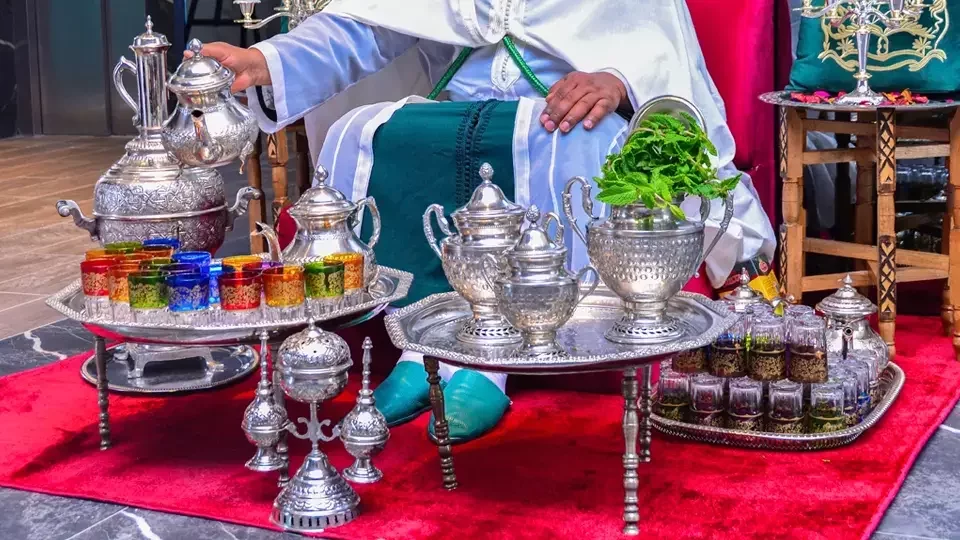
The Moroccan tea ceremony is more than drinking tea. It's a warm expression of hospitality and friendship. Mint tea, or "Moroccan whiskey," is at its core.
Guests are often invited to share a cup. The host carefully pours tea from high above the glass — sometimes 30cm or more — creating frothy bubbles as a sign of honor and skill. The first pour goes back into the pot to mix; the second and third are served.
In Morocco, tea is sweet and refreshing. It combines green tea leaves (usually Chinese gunpowder), fresh mint sprigs (nana), and generous sugar. Tea is served at any time of day — to welcome guests, close business deals, or simply to mark a moment of pause.
Taste Morocco with your own cook and guide
Cooking classes, souk visits and family meals — woven into a fully private itinerary.
Design my journeyCraft & art
The Art of Morocco: Ancient Traditions to Modern Masterpieces
Much of traditional Moroccan art is influenced by Islamic art. This influence is evident in the detailed geometric patterns, arabesques, and beautiful calligraphy seen across various art forms — buildings cannot depict humans or animals under Islamic tradition, which drove craftsmen to perfect geometric and floral abstraction.
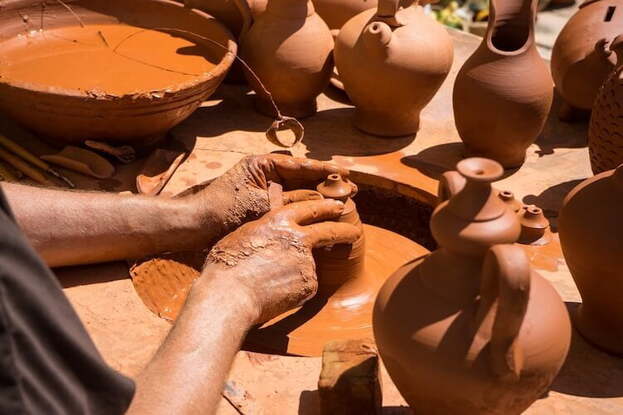
Pottery, textiles, leatherwork, and metalwork are integral to Moroccan artistic expression. Each piece tells a story of craftsmanship passed down through generations.
In urban centers like Marrakech, contemporary art flourishes. Artists blend traditional motifs with modern techniques, creating dynamic pieces that resonate globally.
Don't miss these Moroccan art forms:
- Zellige tilework — hand-cut mosaic tiles in geometric patterns
- Handwoven Berber carpets — Beni Ourain, Boucherouite, Azilal styles
- Exquisite Berber jewelry — silver fibulae, amber beads, coral
- Painted ceramics — Fes blue pottery, Safi green-glazed work
- Engraved metalwork — brass lanterns, copper trays, silver teapots
- Tadelakt plaster — polished waterproof plaster used in hammams and riads
Traditional Moroccan Art Forms
Pottery is a cornerstone of Moroccan craftsmanship. Artisans in Fez and Safi mold and paint intricate designs on vases, tagines, and tiles, infusing each piece with vibrant hues — cobalt blue from Fez, emerald green from Safi.
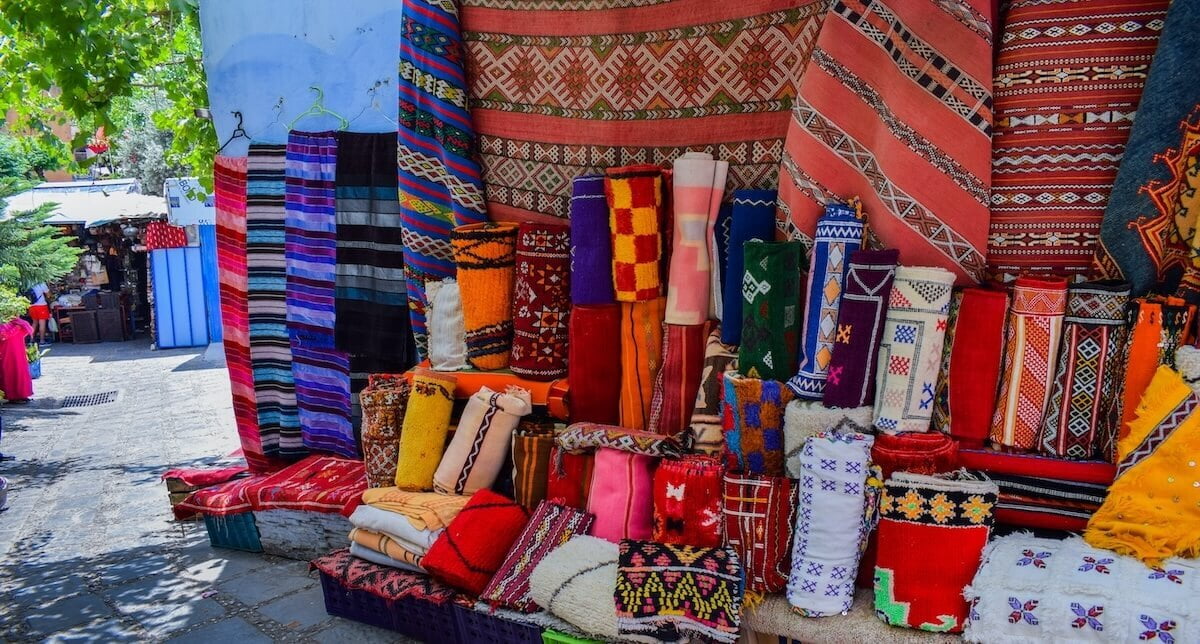
Textiles also hold a special place. Moroccan rugs are world-renowned for their quality and elaborate designs. They often feature geometric patterns and bright colors. Berber tribes weave distinctive styles: cream-and-black Beni Ourain rugs, colorful Boucherouite rag rugs, and diamond-patterned Azilal carpets are sought after by designers worldwide.
Metalwork showcases the skill of Moroccan artisans. From jewelry to the iconic pierced-brass lanterns that fill the souks, detailed engravings and motifs highlight their expertise.
Contemporary Moroccan Art and Galleries
Contemporary Moroccan art is thriving. Artists are experimenting with new techniques while honoring traditional elements.
Marrakech is a hub for this creative wave. Galleries like David Bloch Gallery, MACAAL (Museum of African Contemporary Art Al Maaden), and the Yves Saint Laurent Museum display works that meld tradition with innovation, offering fresh perspectives.
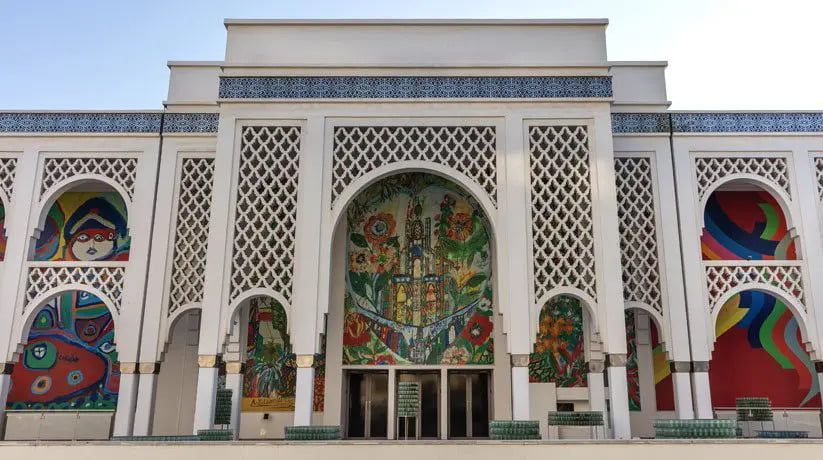
In Casablanca and Rabat, art galleries showcase emerging and established artists. The Mohammed VI Museum of Modern and Contemporary Art in Rabat is Morocco's first museum dedicated entirely to modern and contemporary work — a must-visit for art lovers on a Casablanca cultural visit.
Built beauty
Moroccan Architecture: Living Art in Everyday Life
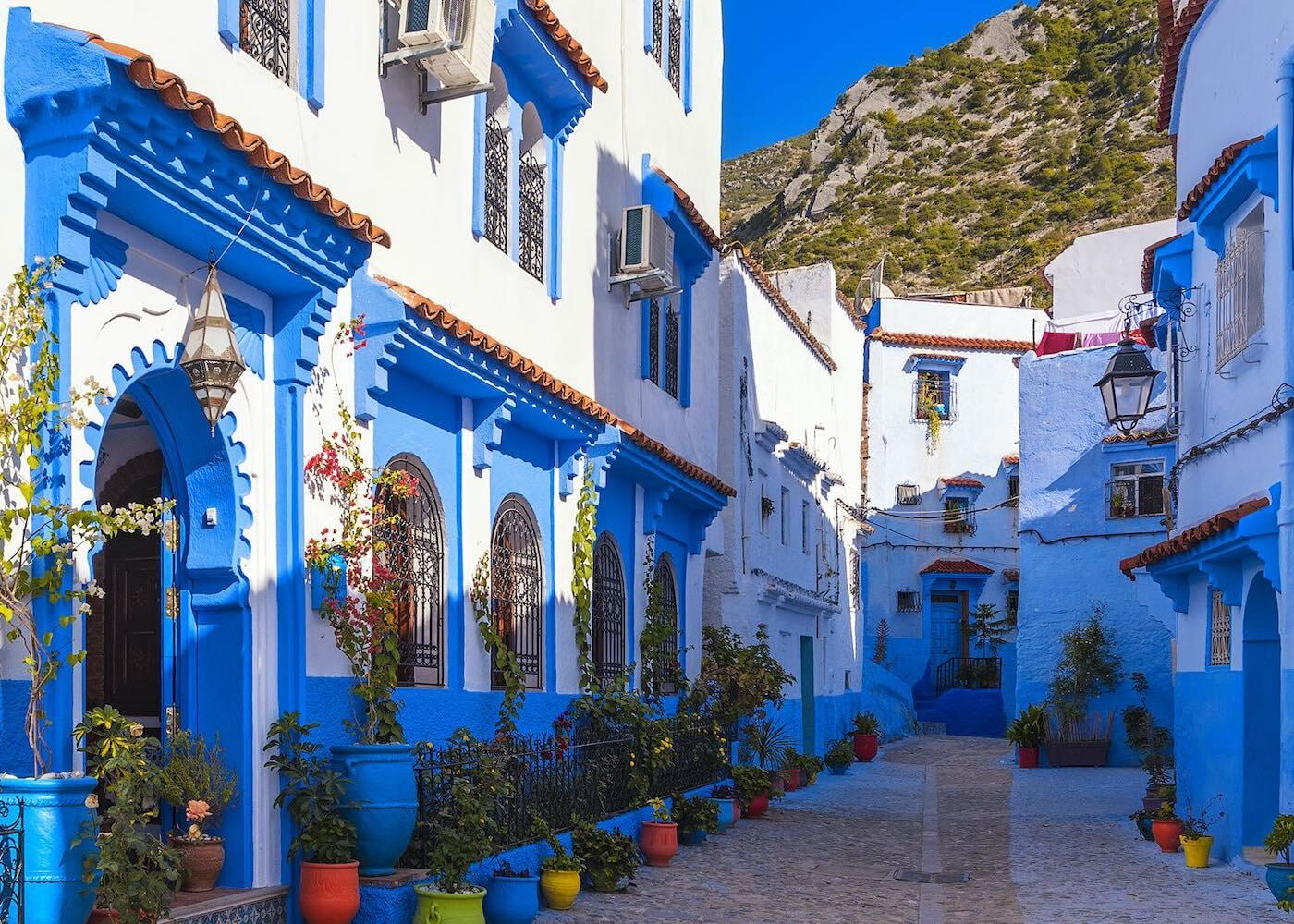
Moroccan architecture is an enchanting blend of styles. It combines Moorish, Berber, Andalusian, Saharan, and French colonial influences, creating a unique aesthetic instantly recognizable worldwide.
This architectural diversity is visible in the grand palaces and humble homes alike. The designs focus on comfort, beauty, and craftsmanship — and notably on privacy and inward-facing spaces.
Strolling through Moroccan cities, you'll encounter intricate tilework, carved wood, ornate metal details, and elaborate stucco. Every element is meticulously crafted to create a sense of harmony.
One of the standout features is the iconic riad. These traditional homes feature inward-facing courtyards filled with lush plants, citrus trees, and beautiful fountains — turning their backs to the busy street to create tranquil oases within.
Key Moroccan architectural elements:
- Ornate zellige tile patterns covering walls and fountains
- Majestic horseshoe arches and keyhole doorways
- Intricately carved wooden ceilings (cedar, often painted)
- Stunning geometric stucco lattices (mashrabiya screens)
- Iconic kasbahs — fortified rural homes of southern Morocco
- Pisé (rammed earth) construction in desert regions
Everyday life
Experiencing Moroccan Culture: Festivals, Music & Daily Life
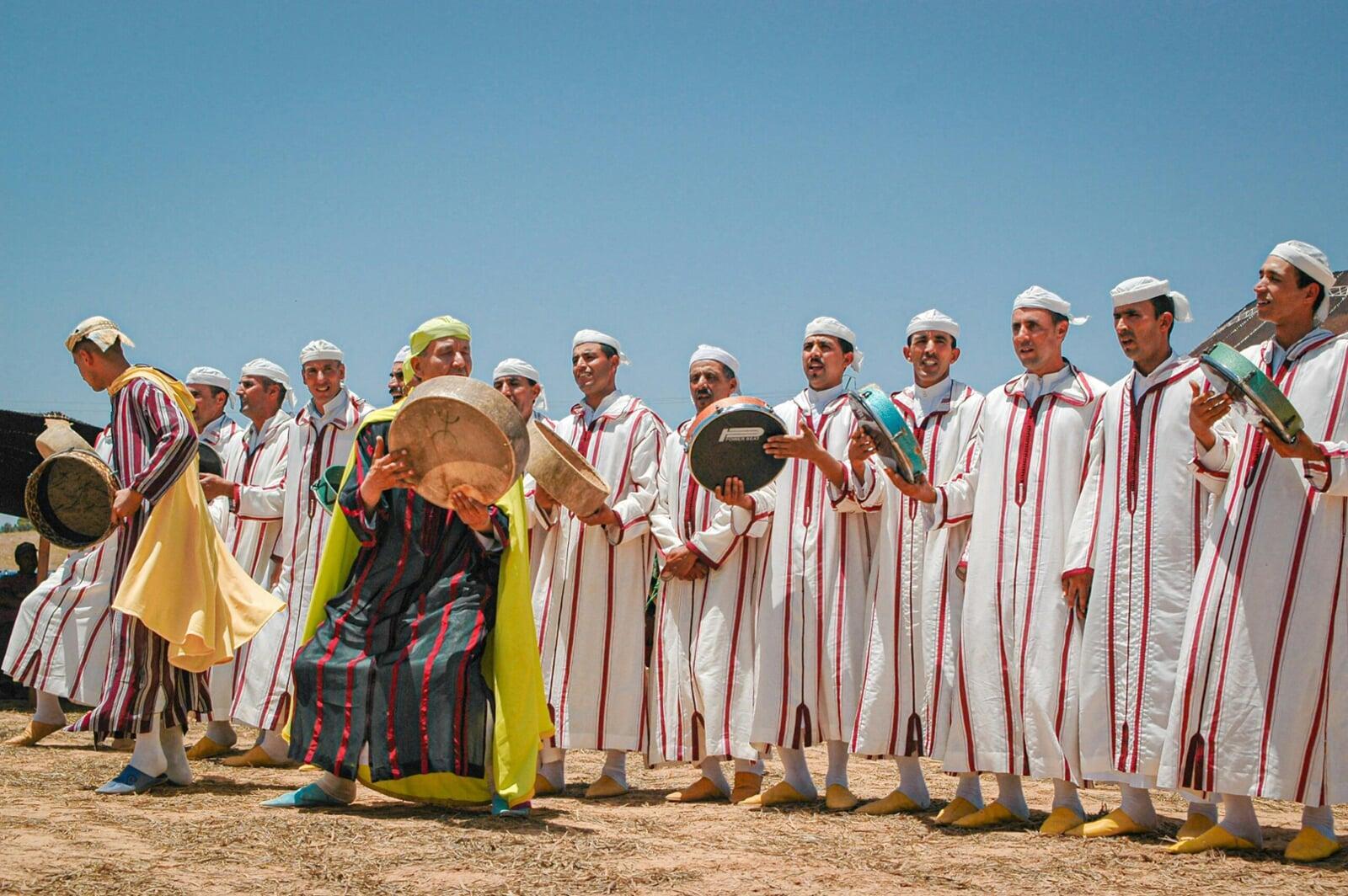
Moroccan culture is vibrant and deeply rooted in traditions. Festivals play a crucial role in showcasing this cultural richness. Events like the Gnaoua World Music Festival in Essaouira (June) attract visitors worldwide. This celebration fuses spiritual sub-Saharan music with modern sounds, creating a unique auditory experience.
Music is a daily part of Moroccan life. In the bustling markets, known as souks, melodies echo through the alleys. Traditional instruments like the oud (lute), darbuka (drum), and guembri (Gnawa bass lute) set the rhythm for daily activities. Street performers bring an artistic flair to the urban landscape.
Festivals worth planning aroundFes Festival of World Sacred Music — June, every year
Gnaoua World Music Festival — Essaouira, June
Marrakech International Film Festival — November/December
Rose Festival — Kelaat M'Gouna, May (Valley of Roses)
Imilchil Marriage Festival — Berber tradition, September
Mawazine — Rabat, May/June (world music)
Eid al-Fitr & Eid al-Adha — major religious holidays
Daily life in Morocco also involves social gatherings. Locals engage in storytelling, dance, and sharing meals. Hospitality is a cornerstone, and visitors often experience a warm welcome. Attending a Moroccan festival or simply walking through a medina can provide deep cultural insight.
Where to go
Top Destinations for Moroccan Culture & Cuisine
Morocco boasts numerous destinations to savor its art and cuisine. Each place offers a distinct experience. Visitors find a mix of tradition and modernity.
Travel smart
Practical Tips for Immersing Yourself in Moroccan Culture
Travelers should embrace local customs to enrich their Moroccan experiences. It's essential to engage with locals and explore beyond tourist areas. These practices provide authentic insights into daily life.
Learning basic phrases in Arabic, Tamazight, or French can enhance interactions. Moroccans appreciate attempts to speak their languages. This effort often results in warm, welcoming responses. (See our free Darija phrasebook for travel-ready Moroccan Arabic.)
Essential tips for a rich cultural experience:
- ✓Dress modestly — cover shoulders and knees, especially outside Marrakech and Casablanca
- ✓Use your right hand — for eating, greetings, and giving/receiving items
- ✓Accept tea graciously — refusing is considered impolite
- ✓Ask before photographing people — especially in rural areas and markets
- ✓Visit a local family for a meal — share stories, learn customs
- ✓Participate in a festival — experience music and dance firsthand
- ✓Take a cooking class — learn tagine, couscous, or pastry secrets
- ✓Visit a hammam — the traditional Moroccan bathhouse ritual
- ✓Bargain respectfully in souks — it's expected and part of the culture
Good to know
Moroccan Culture, Cuisine & Art FAQs
Moroccan culture is known for its blend of Berber (Amazigh), Arab, Andalusian, and French influences, expressed through legendary hospitality (the mint tea ritual), iconic cuisine (tagine, couscous, bastilla), intricate art and architecture (zellige tilework, riads, kasbahs), vibrant music (Gnawa, Andalusian, Berber), and bustling medina markets. The country is also known for being home to one of the world's oldest medinas (Fes), the Sahara Desert, and a thousand-year tradition of artisan craftsmanship.
Travel with us
Experience it on a private tour
These are starting points — we rebuild any of them around you.
Best value Most popular
 The grand loop
Your route begins
Thinking about Morocco?
Tell us what you're imagining — who's traveling, what you hope for, roughly when. A personal reply from Brahim within 24 hours.
★ 4.9 on TripAdvisor · 300+ reviews · No deposit until it's exactly right