
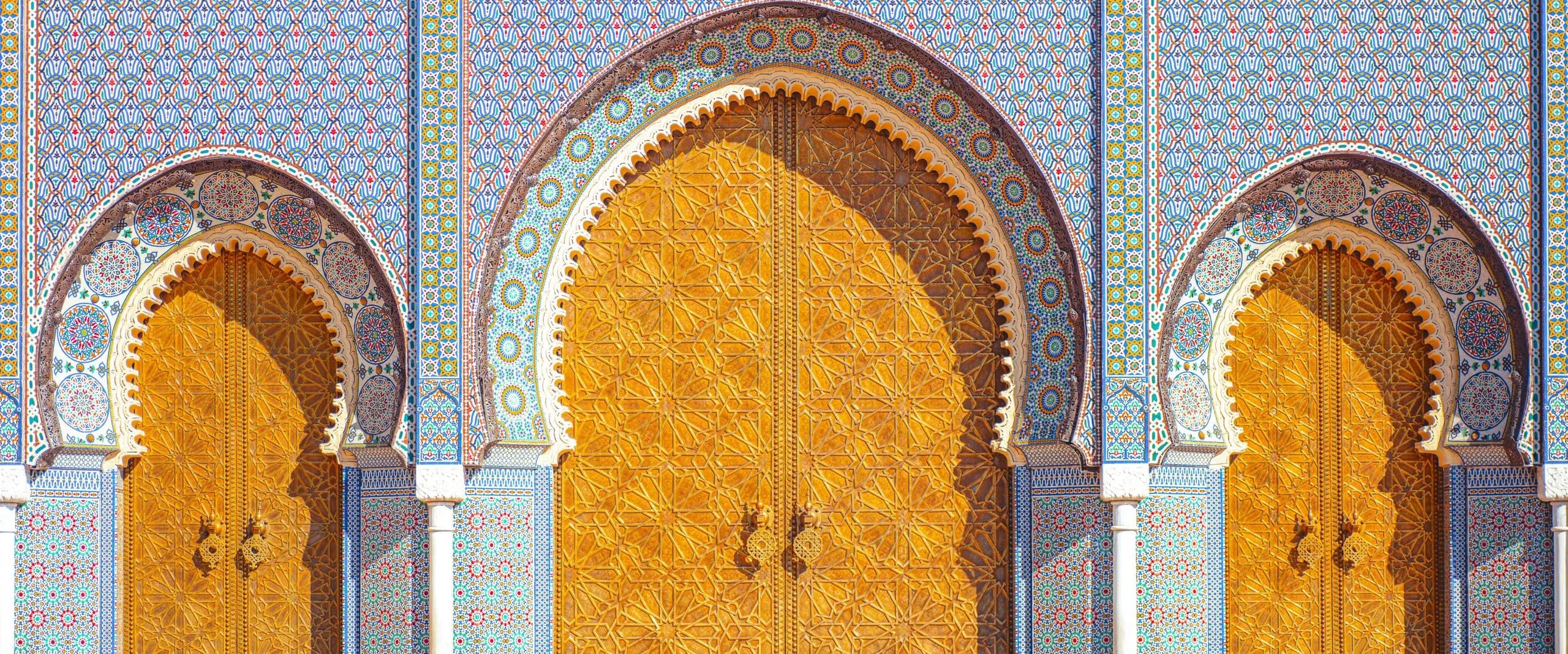
 Best value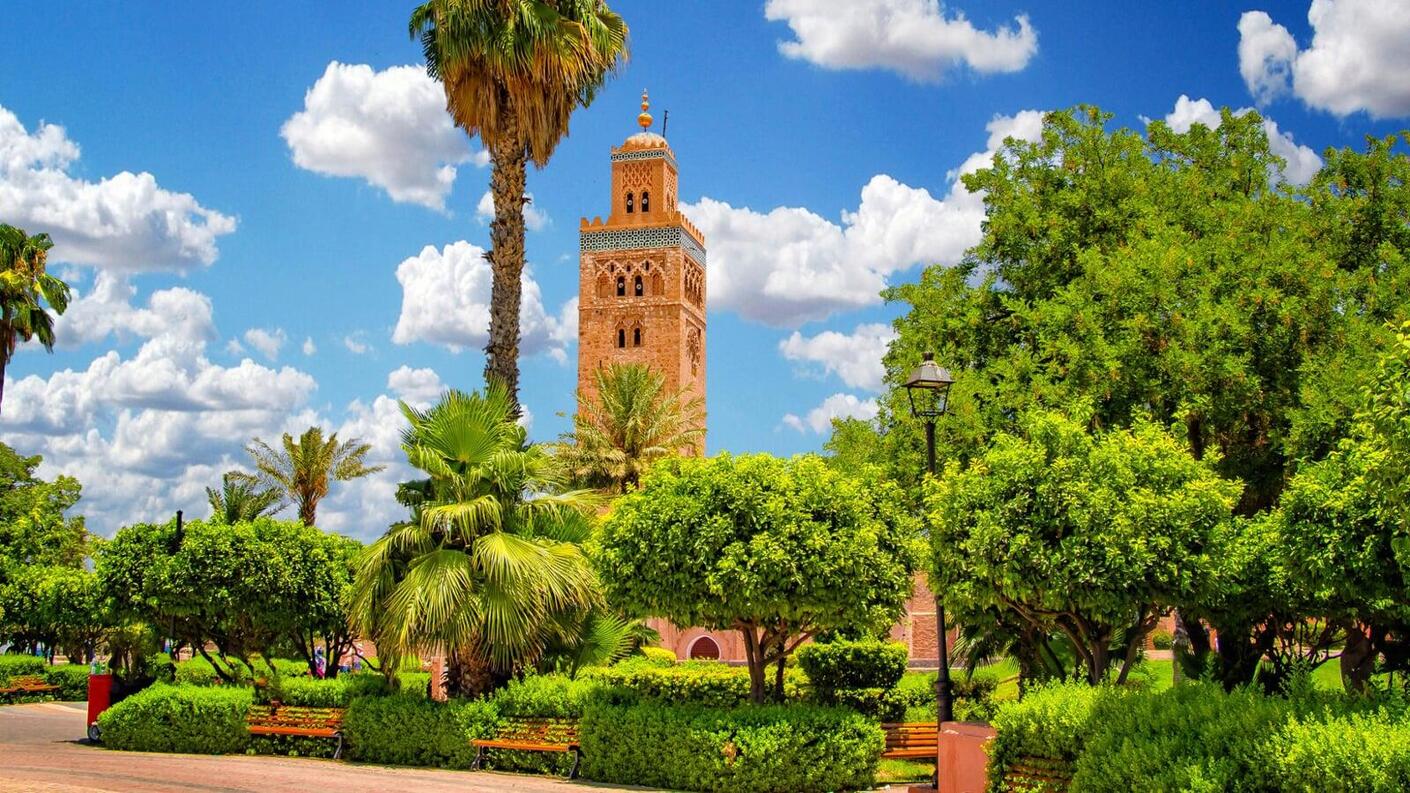
Travel guide
Marrakech Travel Guide 2026
Morocco's most-visited city: a UNESCO medina wrapped around Jemaa el-Fna, with the Koutoubia, Bahia Palace, souks and rooftop tables built on centuries of Berber, Arab and Andalusian life. Written for North American travelers who want the city the way Marrakchis actually live it, not the way the tour buses package it.
By Brahim Jounh17 min read
★ 4.9
on TripAdvisor
300+
verified reviews
100% private
tailor-made journeys
Licensed CA agency
BC Consumer Protection #80460
The red city
Introduction to Marrakech
Marrakech — known as the Red City for its terracotta walls and buildings — sits at the crossroads of Berber, Arab, and French influences. Inside the historic medina, centuries-old mosques, caravanserais, and riads coexist with buzzing cafés, rooftop terraces, and artisan workshops, creating an atmosphere that feels at once ancient and very much alive. Beyond the medina walls, the newer neighborhoods of Gueliz and Hivernage showcase contemporary galleries, concept stores, designer hotels, and the restaurants and cocktail bars where many Marrakchis spend their evenings.
For visitors from the United States and Canada, Marrakech offers one of the most accessible introductions to Morocco's culture: a walkable historic core, English-speaking hospitality staff, direct flights from major North American hubs (often via Casablanca), and an enormous range of accommodations — from family-run riads under $100 a night to palace-class properties like La Mamounia and Royal Mansour. Planning your trip with a Morocco specialist like Gateway2Morocco means you combine the famous landmarks with the small, local experiences most guidebooks never mention — the neighborhood café, the artisan whose workshop has been in the family for four generations, the rooftop where Marrakchis go for sunset.
When to go
Best Time to Visit Marrakech
Spring & Fall — The Sweet Spot
March through May and September through November are the best months to visit Marrakech. Daytime temperatures usually sit in the low-to-mid 70s Fahrenheit, evenings cool down comfortably, and you can walk the medina, linger at café terraces, and enjoy rooftop dinners without battling the heat. Spring also brings cooler air in the Atlas Mountains and wildflowers if you plan a day trip into Berber villages.
Summer — Hot & Atmospheric
Summer (June–August) can be intense, with temperatures often climbing above 100°F. If you visit then, plan an early start (6–10 AM) for sightseeing, a long midday break by the pool or in your riad, and late-afternoon activities resuming around 5 PM. Riad pools, hammams, and the cooler Atlas foothills become essential. Many Marrakchis themselves escape to Essaouira on the Atlantic coast for weekend relief — a 2.5-hour drive worth doing.
Winter — Mild Days, Cold Nights
December through February brings mild, sunny days (60–70°F) but surprisingly cold nights. Most riads don't have central heating, so layer up after dark. The trade-off: lower prices, fewer crowds at top attractions, and the chance to see the Atlas Mountains capped with snow. Excellent month for travelers who prefer a quieter, more local feel. Gateway2Morocco can advise on the best month to visit based on your interests, including festival dates and Atlas Mountain conditions.
Getting around
Getting Around Marrakech
Inside the Medina: Walk
Inside the medina, walking is the only way to get around — many alleys are too narrow for cars, and you'll share space with motorbikes, delivery carts, and the occasional donkey. The first day feels disorienting (this is normal — even seasoned travelers get lost in the souks), but by day two you'll start recognizing landmarks. Always carry your riad's business card with the address in Arabic; if you're truly lost, any local will help you find your way back.
Beyond the Walls: Taxis & Drivers
For places outside the medina — Jardin Majorelle, the YSL Museum, Gueliz, Hivernage, or the airport — small petit taxis are your everyday option. You'll find them around Jemaa el-Fna and at the main medina gates. Agree on a fare in Moroccan dirhams or ask the driver to use the meter before getting in. A typical medina-to-Gueliz ride costs 20–40 MAD (about $2–4 USD). Many riads will also arrange a private car for airport transfers and longer trips. Gateway2Morocco can pre-arrange a private driver for your entire stay, which is especially helpful if you're continuing to Fes, the Sahara, or the Atlas Mountains.
From the Airport (RAK)
Marrakech Menara Airport (RAK) is only 6 km from the city center. A pre-arranged transfer from your riad or hotel takes about 15 minutes and avoids the haggling that can come with arrival taxis. If you book a Gateway2Morocco tour, your driver meets you in the arrivals hall holding a name sign — the smoothest possible arrival after a long-haul flight.
Where to stay
Marrakech Neighborhoods Explained
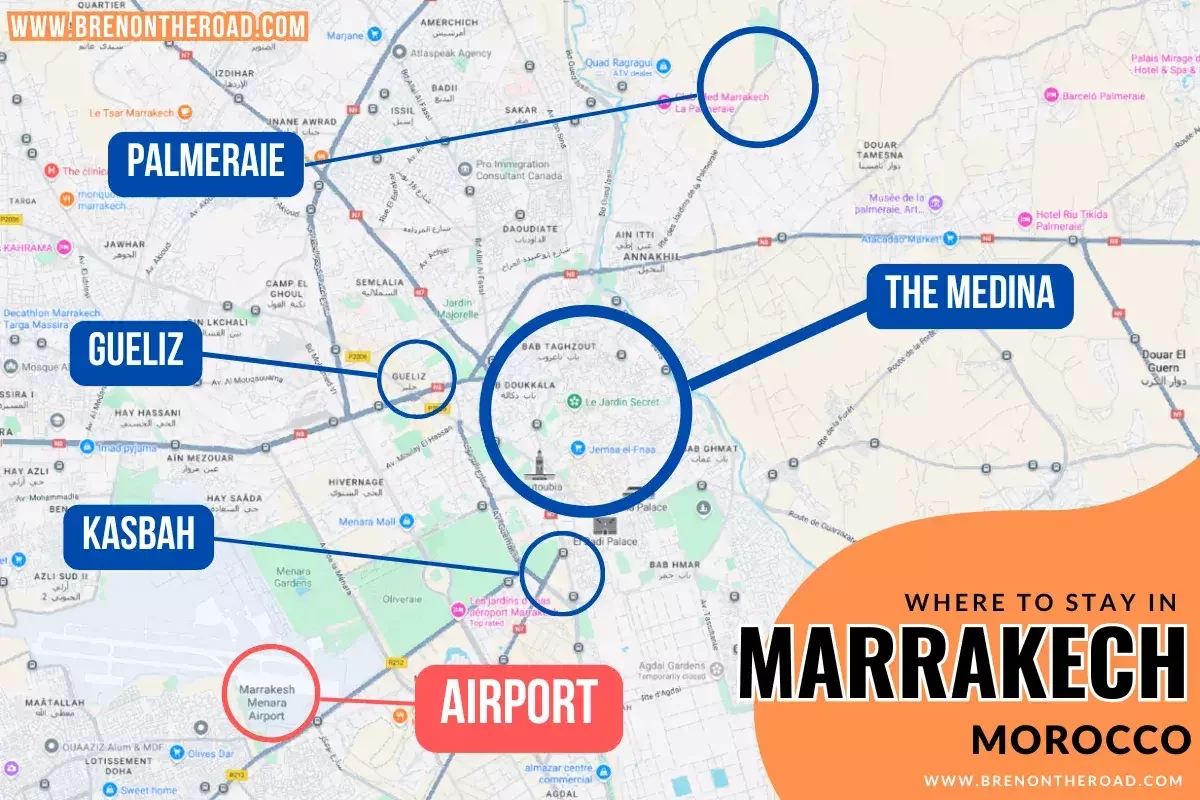
Marrakech is broadly divided into the historic medina and the newer districts beyond its walls. Understanding the layout helps you plan days that follow a local rhythm: medina mornings for sightseeing, a riad lunch or hammam in the afternoon, and Gueliz or Hivernage in the evening for dining and nightlife.
The Medina
The walled old city contains Jemaa el-Fna, the Koutoubia Mosque, the souks, Bahia Palace, El Badi Palace, the Saadian Tombs, Medersa Ben Youssef, and most riads. As you wander, you'll notice the atmosphere shift from intense and commercial around the central souks to calm, residential alleys just a few turns away.
Gueliz & Hivernage
Gueliz is the modern district: wide boulevards, French-protectorate Art Deco buildings, boutiques, art galleries, brunch cafés, and most of Marrakech's contemporary restaurants. Hivernage is the luxury hotel district, home to large international resorts and the city's main nightlife venues. Both are 5–10 minutes by taxi from the medina.
The Palmeraie & Further Out
The Palmeraie, a vast palm grove north of the city, hosts large resort properties, golf courses, and pool clubs. Often used by travelers wanting a more retreat-style experience, or for special occasions. Further afield, the Agafay desert (45 min) and Atlas Mountain foothills (1 hour) are popular day-trip escapes.
What to see
Top Sights in the Medina
Marrakech's medina is a UNESCO World Heritage site and the obvious place to start. The major monuments are within walking distance of each other and can be combined into a full day with a licensed guide, or split across two relaxed mornings.
Jemaa el-Fna
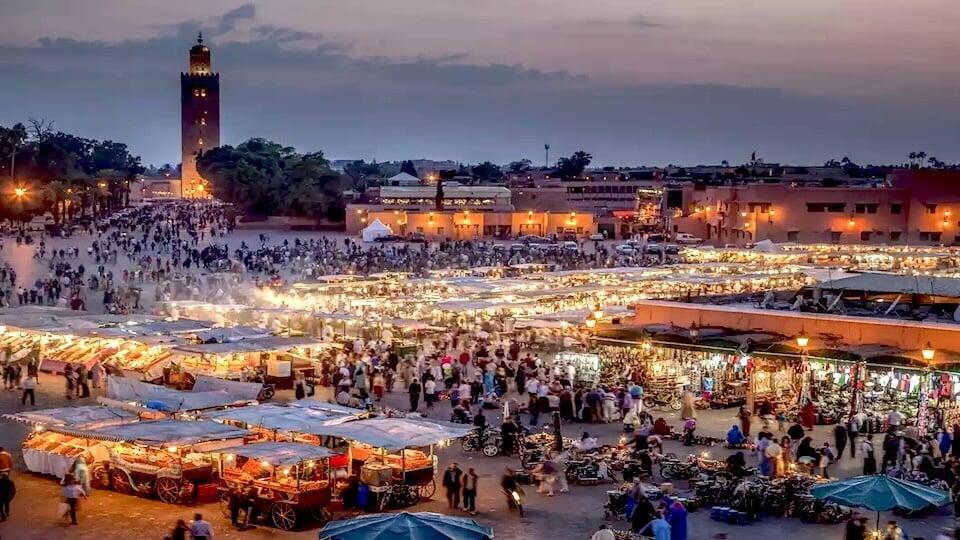
The city's main square — and arguably the most famous square in Africa — is the heart of Marrakech. During the day, juice carts and small vendors share space with snake charmers and henna artists. After sunset, the square transforms into a vast open-air food market with stalls cooking grilled meats, tagines, and Moroccan salads, along with musicians and storytellers performing for circles of locals and travelers. Come once at sunset, once at lunch, and once at full night to see all three personalities.
Koutoubia Mosque
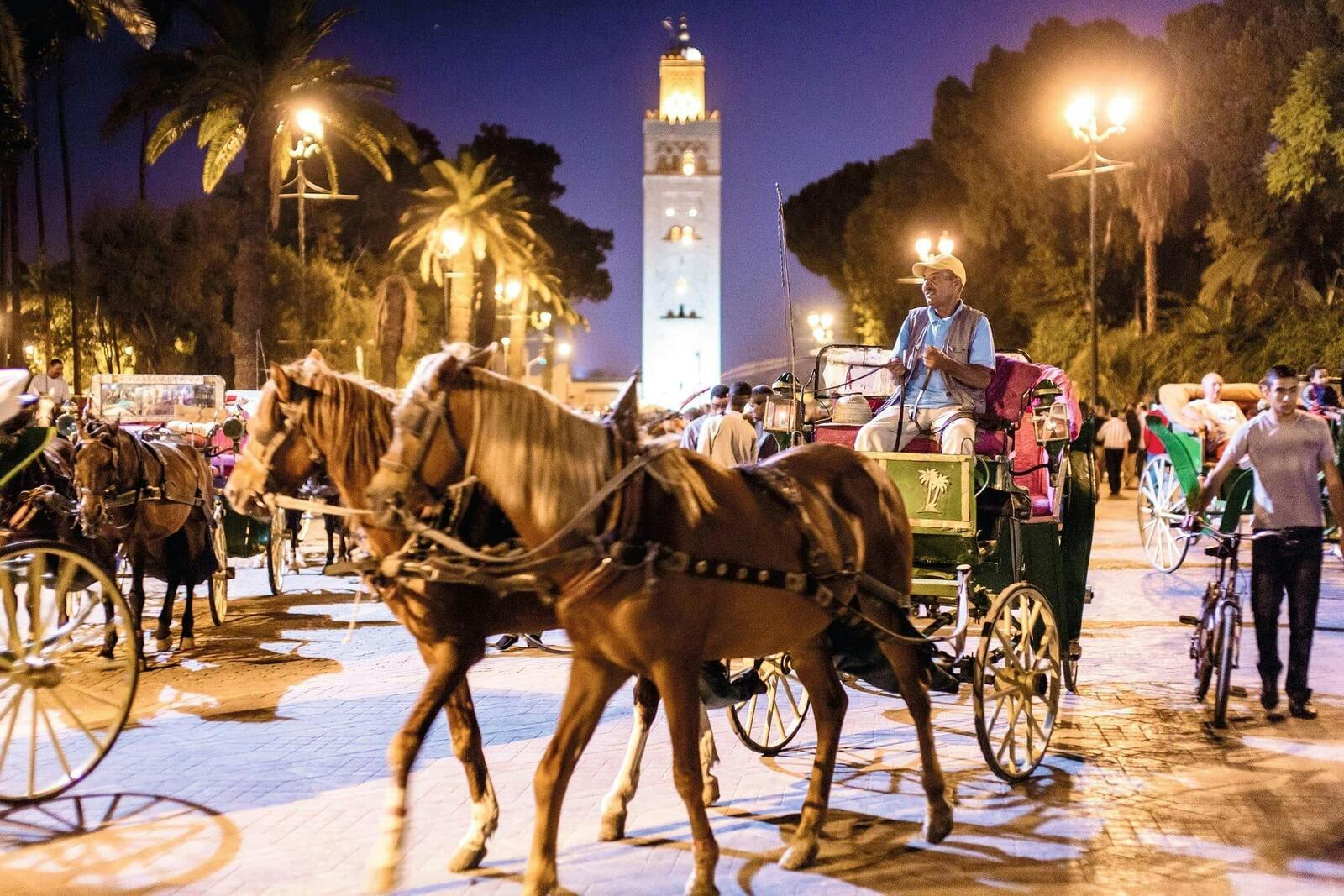
The 12th-century minaret of the Koutoubia Mosque rises 77 meters above the medina and is visible from most rooftops. Non-Muslims cannot enter the mosque, but the gardens around it are open to everyone and especially beautiful at sunset, when the minaret glows golden against a clear sky.
Bahia Palace & El Badi Palace
Bahia Palace is a stunning 19th-century palace built for a grand vizier, with painted cedar ceilings, marble courtyards, and zellige tilework that defines Moroccan craftsmanship. El Badi Palace, by contrast, is a 16th-century ruin — vast open courtyards, sunken gardens, and storks nesting on the ramparts. Together they show two completely different eras of Marrakech's royal history.
Medersa Ben Youssef
The Medersa Ben Youssef was a 14th-century Islamic college that housed up to 900 students. Recently restored, its central courtyard with carved cedar, stucco, and zellige tilework is widely considered the most beautiful architectural space in Marrakech. Worth visiting first thing in the morning when the light hits the tiles and crowds are thinnest.
Saadian Tombs & Maison de la Photographie
The Saadian Tombs — sealed for 200 years and only rediscovered in 1917 — are a small but exquisite royal necropolis with marble columns and detailed plasterwork. The Maison de la Photographie, tucked away in a restored riad, displays vintage photographs of Morocco from the early 20th century and has a charming rooftop café for a mid-tour break.
4.9 ★
TripAdvisor rating
300+
Traveler reviews
100%
Private departures
Souks & shopping
Marrakech Souks & Shopping
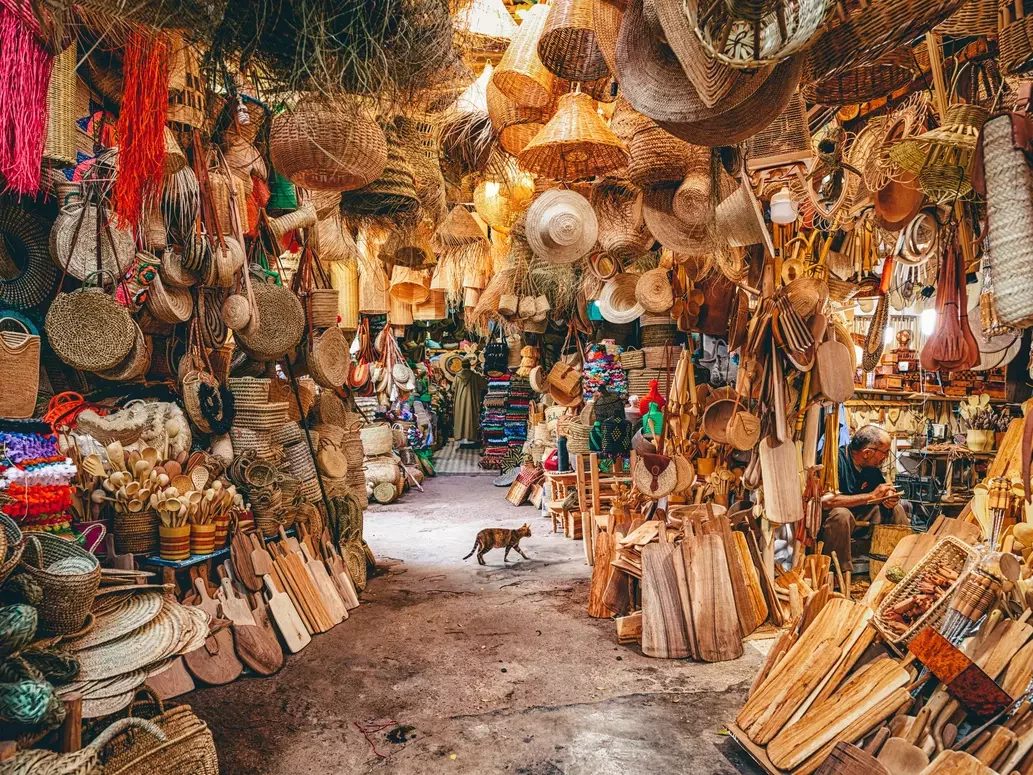
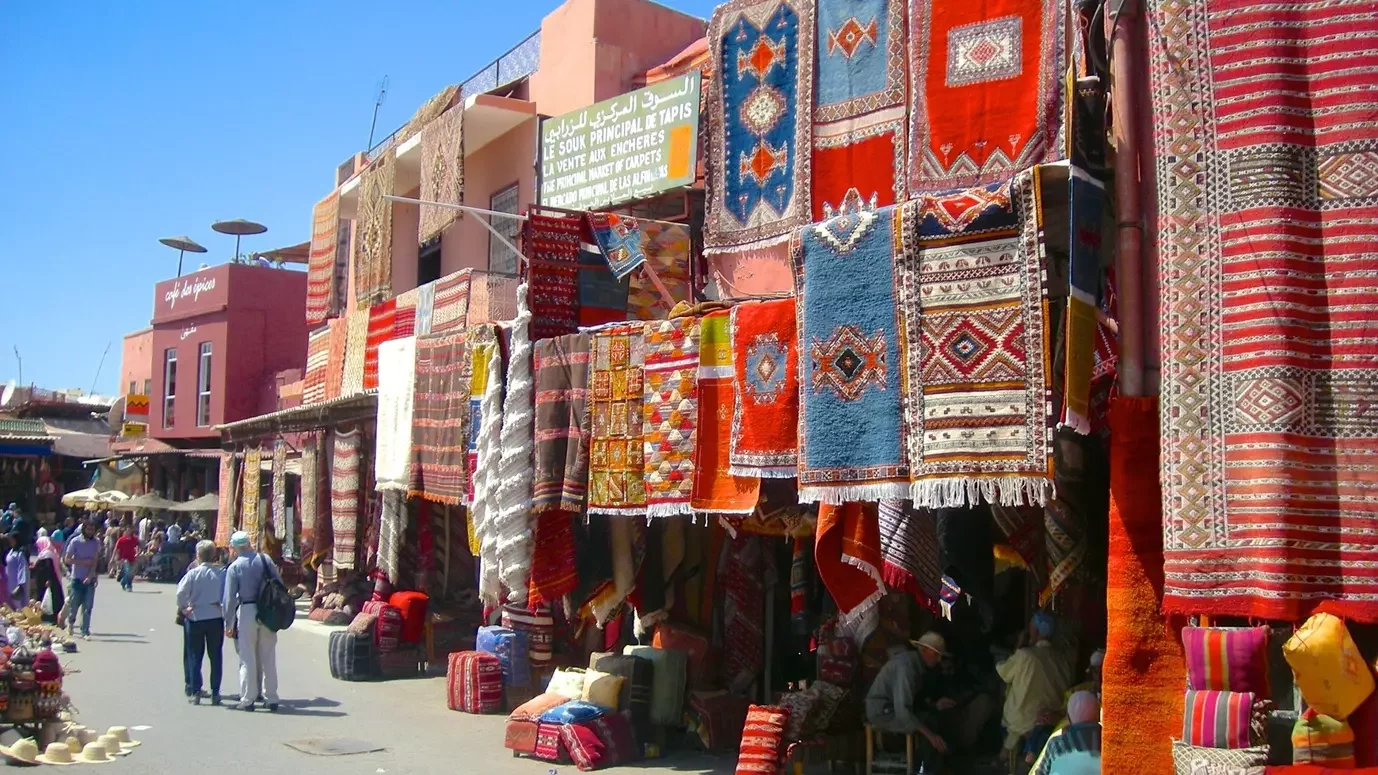
The souks just north of Jemaa el-Fna are traditionally organized by craft, which is still how locals navigate them. You'll find dedicated areas for leather, metalwork, lanterns, carpets, spices, ceramics, and woodcarving — including Souk des Babouches (leather slippers), Souk Haddadine (metalworkers), and Souk Smata (carpets and textiles).
How to Bargain
Bargaining is expected, but it's friendly — not adversarial. A good rule: counter-offer at about 40–50% of the asking price, then meet roughly in the middle. Walk away politely if the price isn't right — vendors often call you back. Smile, be patient, and treat it as a conversation. Marrakchis appreciate humor and effort. If you genuinely don't want something, "La shukran" (no thank you) said warmly is enough.
What to Buy
The most worthwhile Marrakech souvenirs: argan oil (cosmetic or culinary, ideally from a women's cooperative), leather babouches, hand-loomed wool rugs (Beni Ourain, Boucherouite, Azilal), brass and silver lanterns, ceramic tagines and bowls, and Moroccan spices (ras el hanout, saffron, cumin, paprika). Spend on one or two well-chosen pieces from a respected workshop rather than many small things — quality holds value, and you'll remember where each piece came from.
Less-Touristy Markets
For a more local feel, head toward neighborhood markets in less-visited corners of the medina — early morning especially, when residents shop for fresh produce, olives, and bread. Gateway2Morocco can pair you with a local guide or shopping assistant who knows quality and helps you navigate pricing in a culturally sensitive way — particularly useful for rug purchases where the difference between an authentic Beni Ourain and a tourist knock-off is significant.
Things to do
Cultural Experiences in Marrakech
Hammam — The Moroccan Steam Ritual
A visit to a traditional hammam for a steam, scrub, and massage is both relaxing and deeply rooted in Moroccan custom. Three options: (1) a public hammam in the medina for the most authentic, no-frills experience (around $5 USD); (2) a mid-range hammam in your riad or a boutique spa; (3) a luxury spa at La Mamounia, Royal Mansour, or Selman Marrakech for an unforgettable splurge. Allow 90 minutes minimum, and don't be shy — a good scrub is meant to be vigorous.
Cooking Classes
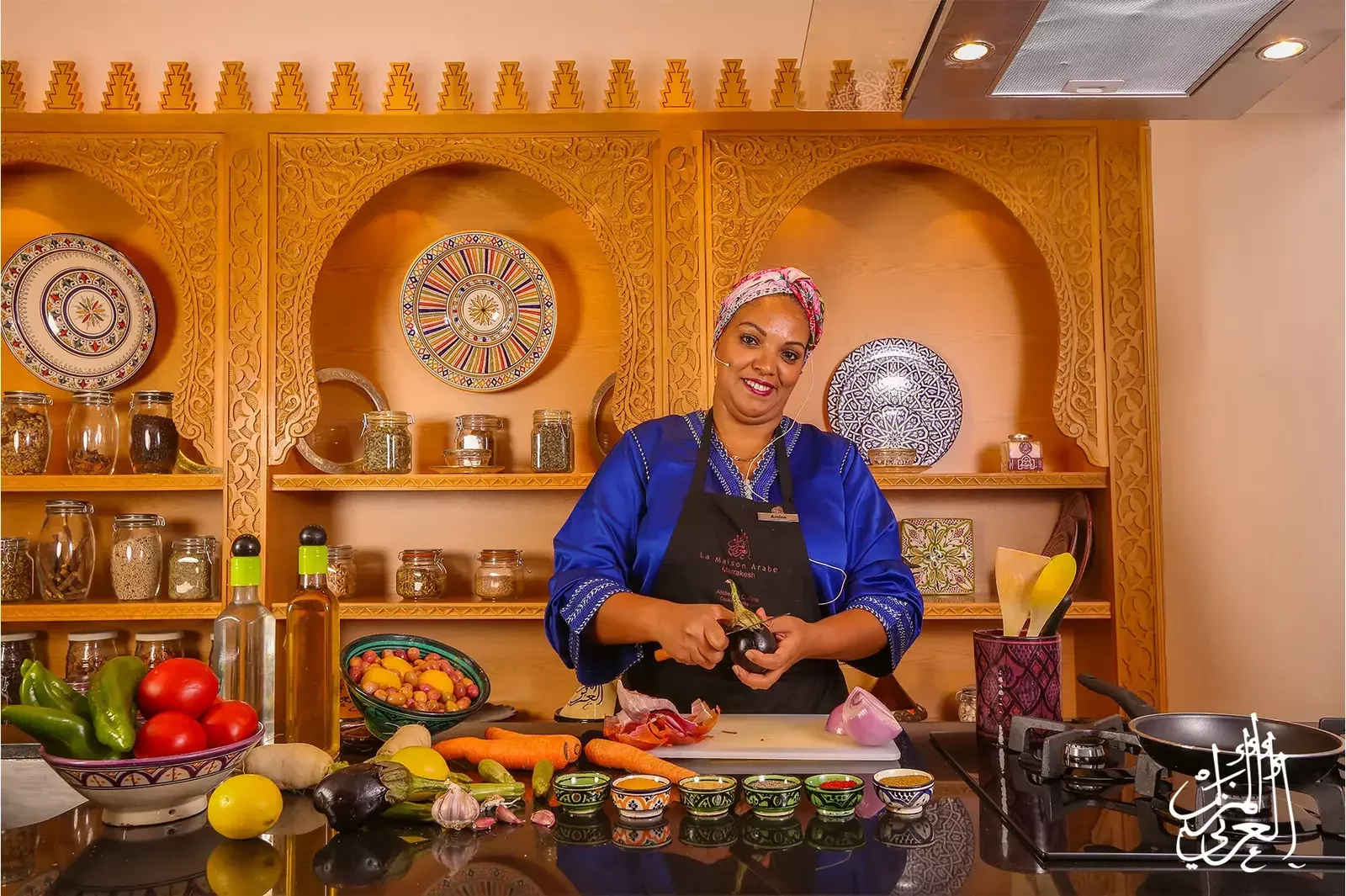
Hands-on Moroccan cooking classes teach you to prepare tagines, couscous, salads, and pastilla using fresh market ingredients. The best classes start with a morning souk visit to learn how to choose meat, spices, and produce, then move to a kitchen where you cook lunch together. La Maison Arabe in the medina is the long-standing benchmark, and several smaller workshops in private homes offer a more intimate experience.
Café Culture & Mint Tea
In the evenings, many Marrakchis gather at simple cafés near medina gates or in Gueliz — sipping mint tea or espresso and watching the flow of people and traffic. It's the perfect way to slow down and observe everyday life. Order a "thé à la menthe" — Moroccan mint tea is brewed strong, sweetened generously, and poured from a height to create foam. Sit, watch, listen. This is Marrakech at its most relaxed.
Let us design your Marrakech stay
From riad selection to day trips and private guides, Gateway2Morocco plans every detail around your pace and interests.
Design my journeyBeyond the walls
Quiet Corners & Day Trips
Inside the City: Quiet Escapes
Le Jardin Secret is a peaceful garden and restored palace tucked behind high walls in the heart of the medina — an ideal mid-afternoon break from the souk intensity. Jardin Majorelle and the YSL Museum in Gueliz are popular but essential, especially for travelers interested in design, fashion, and the story of how Yves Saint Laurent fell in love with Marrakech in the 1960s. The cobalt-blue garden and the museum's collection together take about 2 hours.
Agafay Desert (45 min)
The Agafay Desert, a stony desert just southwest of Marrakech, gives you a desert experience — sunset, camel rides, dinner under the stars, quad biking — without the 10-hour drive to the Sahara at Merzouga. Ideal if you only have 3–4 days in Marrakech but still want that "desert moment." Pair it with a short hike or stop at a Berber farm on the way back.
Atlas Mountains & Berber Villages (1 hour)
One of the easiest and most rewarding day trips from Marrakech: drive into the foothills of the High Atlas to visit Berber villages, hike scenic mule trails, or enjoy a long terrace lunch with mountain views before returning. Imlil and the Ourika Valley are the most popular starting points. In winter you might see snow on the peaks; in spring the valleys are green and the rivers run high.
Aït Ben Haddou & Essaouira (Full Day)
For longer trips: Aït Ben Haddou (the UNESCO kasbah used in Game of Thrones and Gladiator) is a long but spectacular day across the Tichka Pass. Essaouira on the Atlantic coast (2.5 hours) is the perfect break from the heat in summer — a UNESCO medina, fresh seafood, and a windswept beach. Both work as overnight extensions, and Gateway2Morocco specializes in combining Marrakech stays with expert-led day trips and multi-day extensions to the Atlas, Sahara, and Atlantic Coast.
Where to eat
Best Restaurants in Marrakech
Traditional Moroccan Cuisine
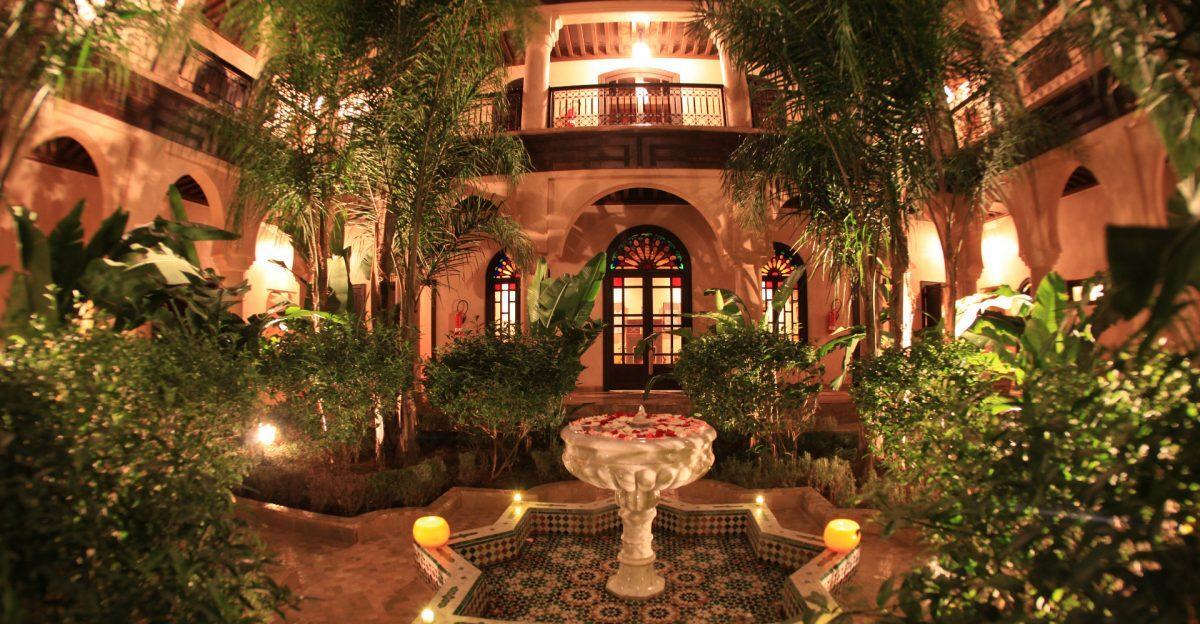
Traditional Moroccan cooking in Marrakech centers on slow-cooked tagines, couscous, grilled meats, preserved lemons, olives, and a wide range of salads. Many riads serve home-style dinners that reflect family recipes — chicken with preserved lemon and olives, lamb with prunes, vegetable couscous on Fridays. Eating in a candlelit riad courtyard is often more intimate and authentic than a big restaurant.
For elevated traditional cooking in a fine-dining setting, Al Fassia in Gueliz is the gold standard — owned and operated entirely by women, with a menu of refined classics like pastilla aux pigeon, mechoui lamb, and an exceptional couscous Sunday. Reservations essential.
Rooftop Dining in the Medina
Dining on a medina rooftop is one of the most memorable experiences in Marrakech, especially when the sky turns golden and the call to prayer drifts across the city. Try Nomad for modern Moroccan fusion with one of the best terrace views in the medina, Le Jardin for a tranquil garden lunch, or Café Clock for casual Moroccan-international comfort food and live music nights (including the famous camel burger).
Local Favorites in Gueliz
Gueliz is where Marrakchis themselves eat. Plus 61 for modern Australian-influenced cooking, NetMaks for Asian-Moroccan fusion, and Le Salama for an atmospheric dinner of grilled meats with belly-dancing entertainment. For brunch, Kafe Merstan and Cafe Bazaar draw a local creative crowd.
Street Food & Quick Local Meals
At night, Jemaa el-Fna becomes a vast open-air food court. Stalls serve grilled meats, harira soup, snail soup (yes — beloved by locals), and fresh juices. For the cleanest, most popular stalls, follow the line of locals. By day, neighborhood grills and snack bars around the medina serve quick brochette sandwiches and bean soup for under $3 — the everyday food of working Marrakech.
After dark
Marrakech Nightlife
Bars, Lounges & Live Music
Marrakech nightlife is centered mainly in Gueliz and Hivernage, where bars and lounges stay open late with DJs and live bands. Sky Bar at La Renaissance offers Marrakech's most iconic rooftop view of the Koutoubia minaret at sunset. Kabana on the Hivernage strip is a chic terrace bar and restaurant with cocktails and a fashionable crowd. Le Comptoir Darna combines dinner with nightly Moroccan dance performances and DJ sets — touristy but consistently fun.
Cultural Performances
Beyond bars, cultural performances play a big role in Marrakech evenings. In Jemaa el-Fna itself, traditional music and storytelling go late into the night. Many riads and restaurants schedule Andalusian, Berber, or Gnawa music as part of multi-course dinners. The Royal Theatre of Marrakech and the Marrakech International Film Festival (early December) draw international audiences and Hollywood names.
Late-Night Clubs
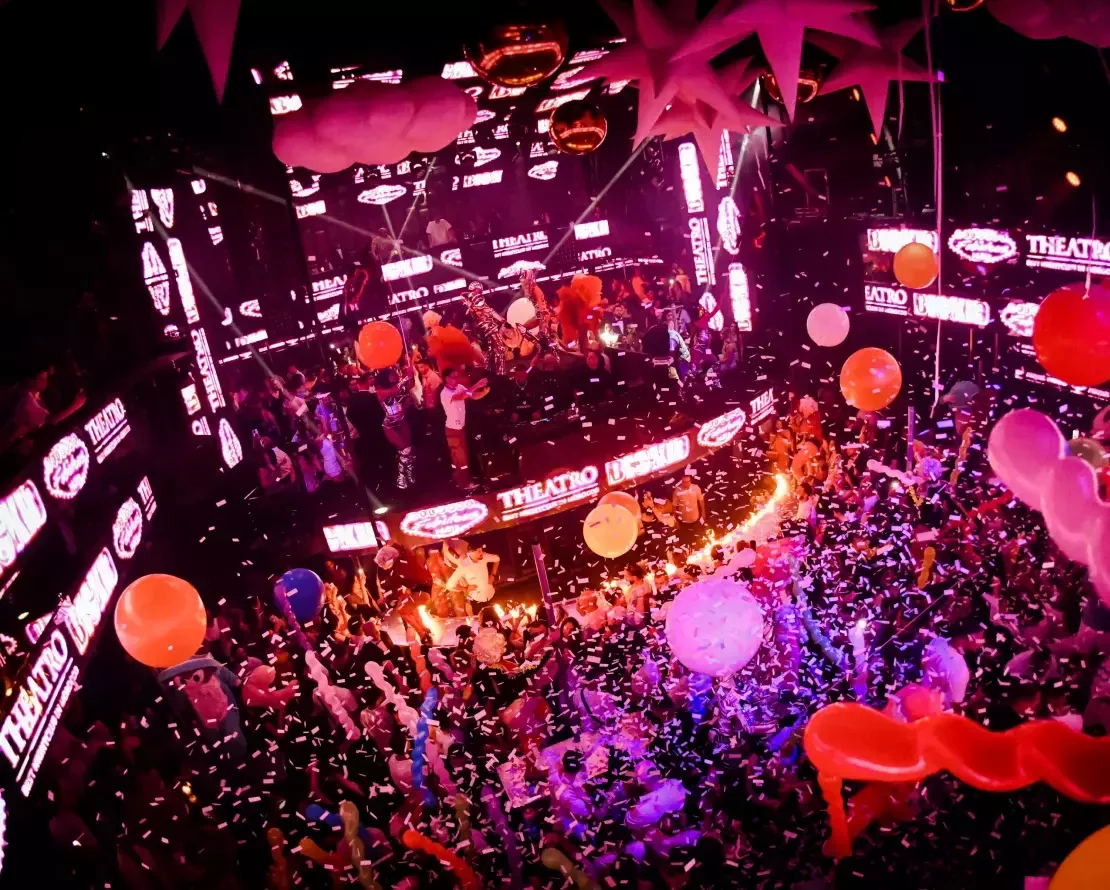
If you want to stay out late, Hivernage has the city's main nightclubs. Theatro (built inside a converted theatre) and Pacha Marrakech (one of Africa's largest clubs) attract a mix of locals, expats, and travelers, especially on weekends. Reservations recommended in peak season. Dress smart-casual — Marrakech nightlife has style standards, even at the most relaxed venues.
Quieter Evenings
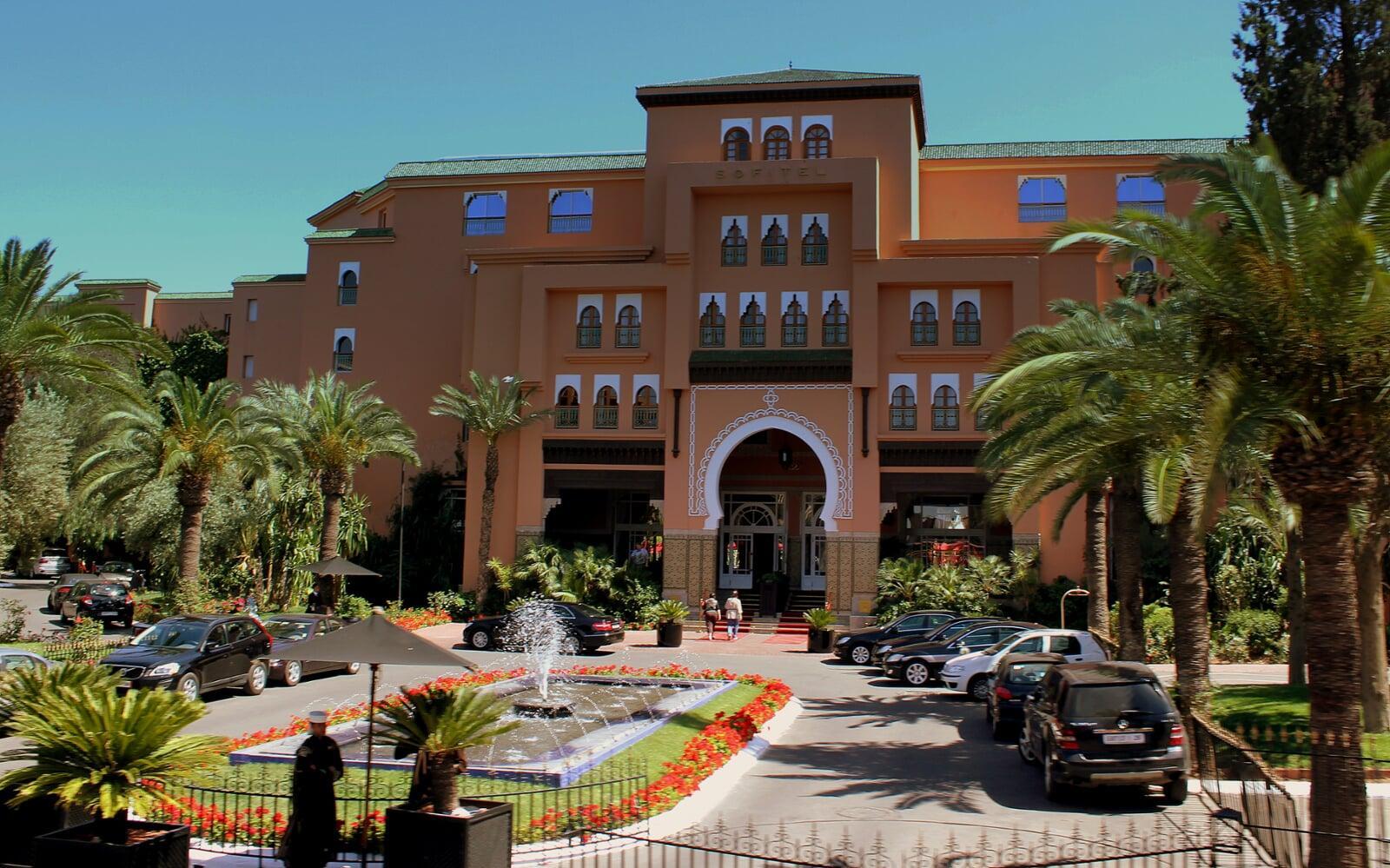
For a more relaxed end to the night, the Sofitel Hivernage, La Mamounia bar, and rooftop terraces of boutique hotels in Gueliz offer cocktails and city views without club-level energy. Many Marrakchis also linger over tea or coffee in neighborhood cafés until late, particularly on warm nights — the kind of evening that costs almost nothing and often becomes a trip highlight.
Good to know
Marrakech Travel Guide 2026: Things to Do, Riads & Nightlife FAQs
3 to 4 days is the sweet spot — enough time to explore the medina (Jemaa el-Fna, Koutoubia, Bahia Palace, Medersa Ben Youssef), shop the souks, visit Jardin Majorelle, enjoy a hammam, and do at least one day trip to the Atlas Mountains, Agafay Desert, or Ourika Valley. 2 days is the minimum for first-time visitors; 5 days lets you slow down and discover modern Gueliz and Hivernage neighborhoods too.
Travel with us
Experience it on a private tour
These are starting points — we rebuild any of them around you.
Best value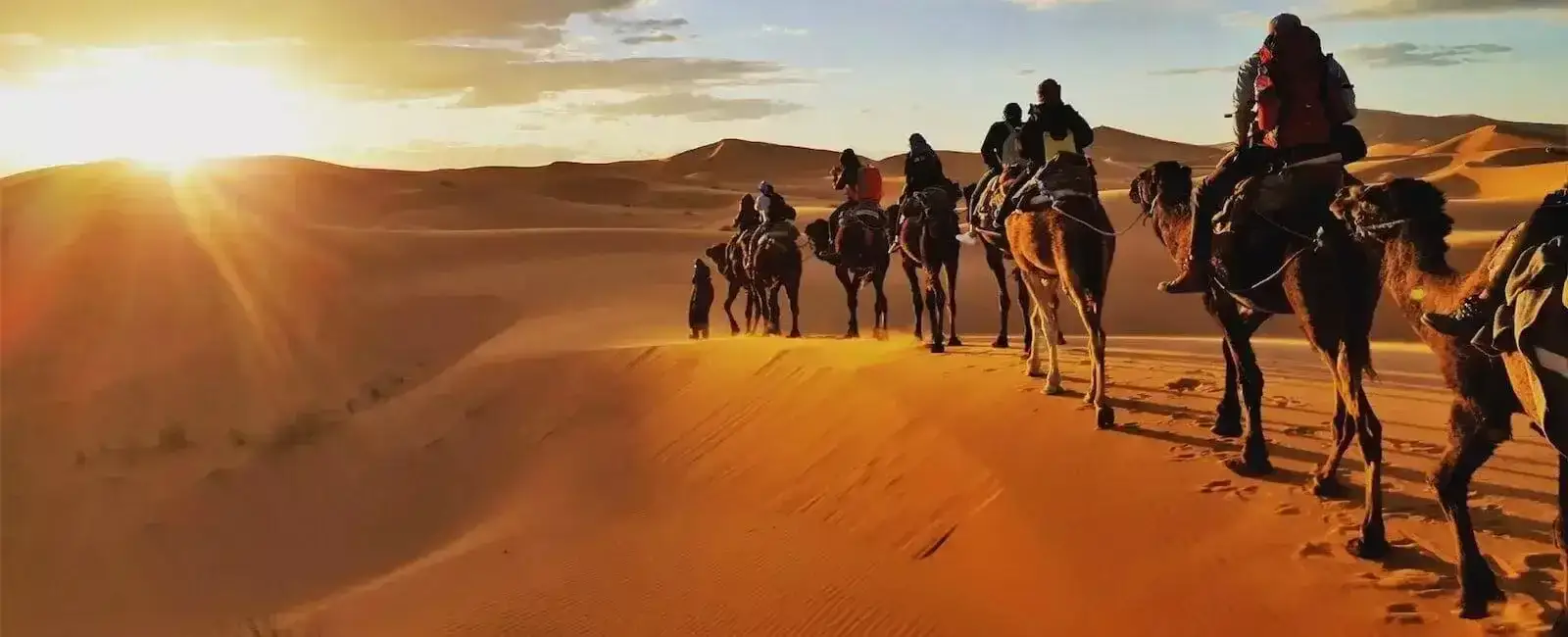 Most popular
 The grand loop
Your route begins
Thinking about Morocco?
Tell us what you're imagining — who's traveling, what you hope for, roughly when. A personal reply from Brahim within 24 hours.
★ 4.9 on TripAdvisor · 300+ reviews · No deposit until it's exactly right