
 North to south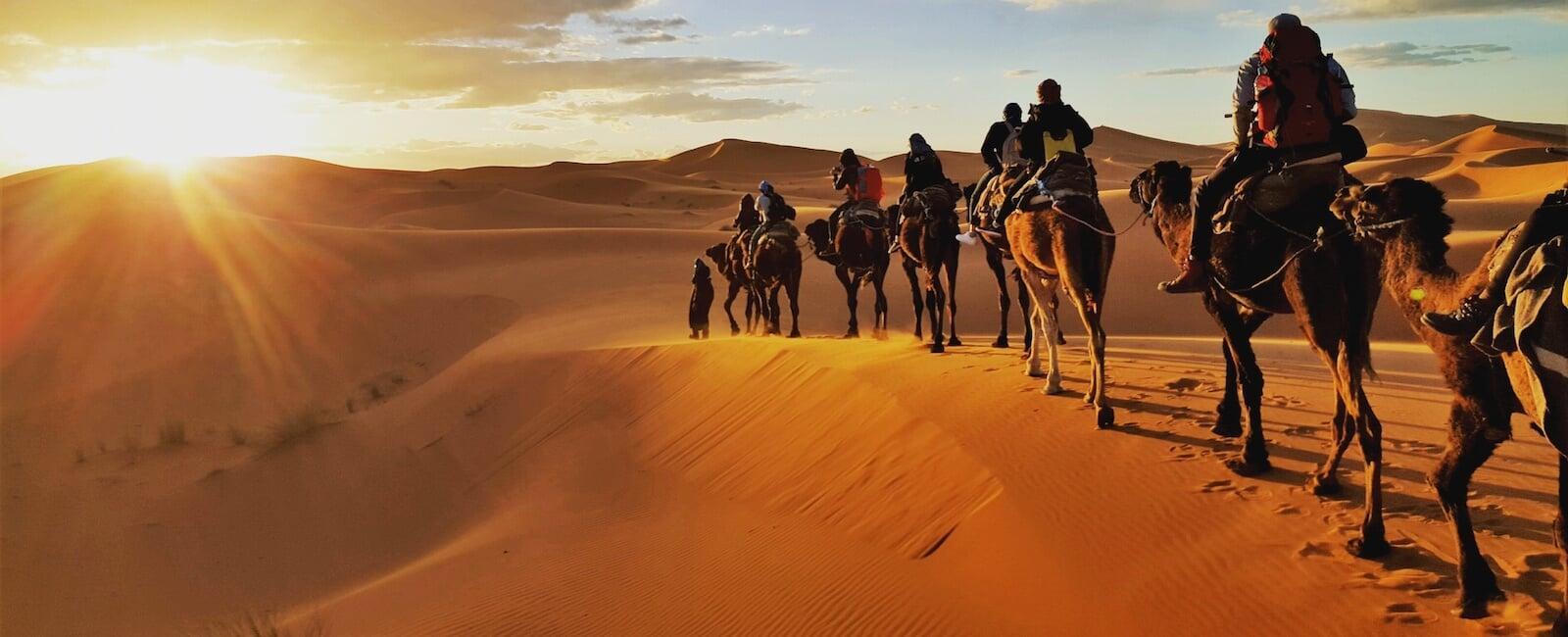
Private Morocco travel
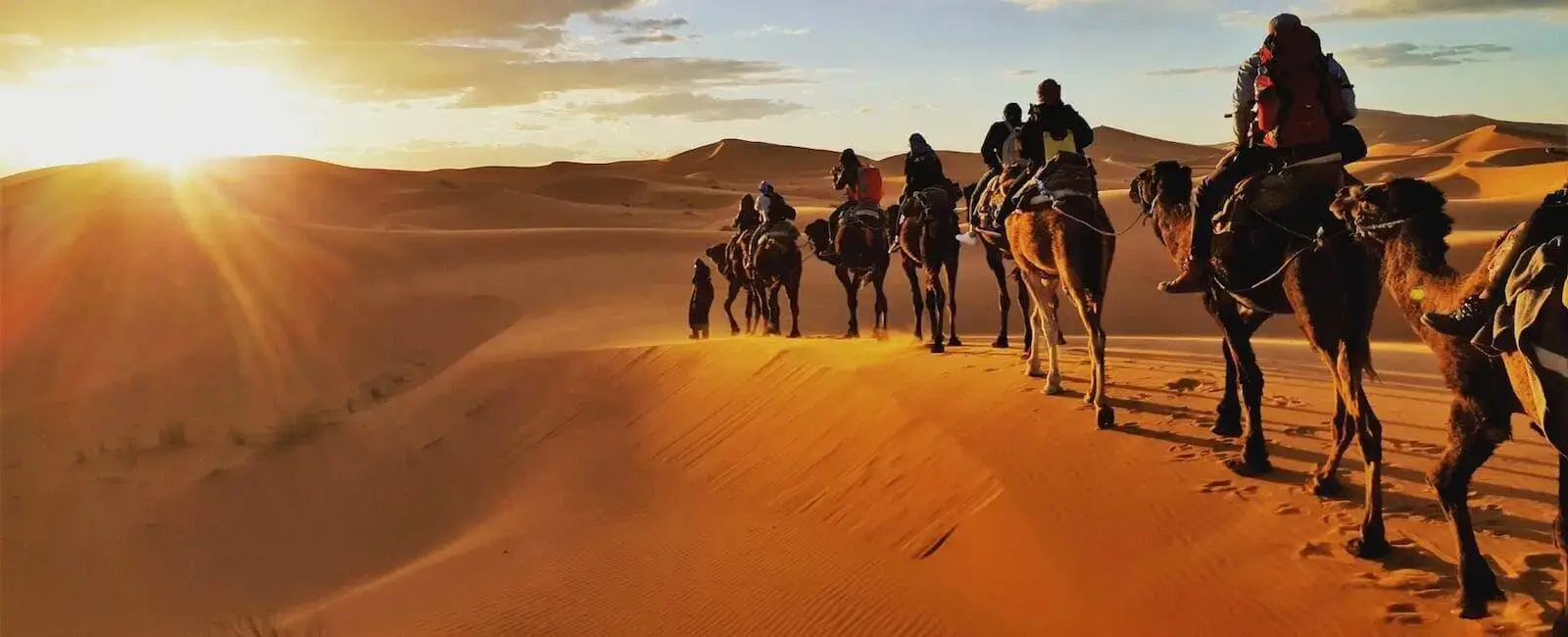
The Sahara is what most travelers come to Morocco for, and it is the part of the trip most easily done badly. Gateway2Morocco runs private Sahara desert tours the right way: your own vehicle and guide, a sunset camel trek, a properly vetted Berber camp, and your choice of Morocco's two great dune seas, Erg Chebbi or Erg Chigaga.
Private Sahara desert tours covering both major dune seas: Erg Chebbi, the iconic Merzouga dunes, and Erg Chigaga, Morocco's most remote Sahara, accessible only by 4x4. Every itinerary includes a sunset camel trek, a night in a luxury Berber camp under the stars, the High Atlas mountain pass, and a stop at UNESCO-listed Aït Ben Haddou on the way in. Trips run from 8 to 14 days, in a private vehicle, for your group only.
4.9 ★
TripAdvisor rating
300+
Traveler reviews
100%
Private departures
Done rightThe Real Way to Do the Moroccan Sahara
The Sahara is what most travelers come to Morocco for, and it's the part of the country most easily done badly. The standard pattern, a budget Marrakech operator, a shared minibus, and a basic camp, is exactly the trip you don't want. Gateway2Morocco runs Sahara desert tours the right way: a private vehicle for your group only, properly vetted Berber camps, a sunset camel trek, and your choice of dune sea, either Erg Chebbi (the iconic Merzouga dunes near the Algerian border) or Erg Chigaga (Morocco's wild, remote Sahara, reached only by 4x4 from Mhamid).
Every Sahara tour we run includes the High Atlas mountain pass via Tizi n'Tichka, a stop at UNESCO-listed Aït Ben Haddou (the kasbah that keeps drawing Hollywood film crews), the dramatic Dadès and Todra Gorges, and a night under more stars than most travelers have ever seen at once. Our drivers know the desert pistes by feel, our camps are licensed and inspected, and pricing is quoted in USD with no hidden surcharges. See our full range of Morocco tours if you'd like the Sahara paired with more of the Imperial Cities.
Two dune seasErg Chebbi vs. Erg Chigaga: Choose Your Dune Sea
Morocco has two major Sahara dune seas. They look similar in photos, but the experience is quite different, so here is how they compare.
- Erg Chebbi (Merzouga): the tall, photogenic dunes near the Algerian border, up to 150 metres high — the Sahara from every Morocco postcard. Reachable by paved road plus a 60–90 minute camel trek (or direct by 4x4). About 2 days' drive from Marrakech with an overnight at Dadès Gorge. Camp tiers range from classic to 5-star. Best for first-time Sahara visitors, families, and couples on a shorter Sahara loop.
- Erg Chigaga (Mhamid): Morocco's most remote dune sea, south of Mhamid in the Draa Valley, reachable only by 4x4 after 60+ km of open desert piste. Dunes reach up to 300 metres in places, with far fewer visitors and a genuine expedition feel. About 1.5 days' drive from Marrakech via Aït Ben Haddou and Agdz, with the return route crossing the Iriqui National Park salt lake. Best for repeat Sahara visitors, off-the-beaten-path travelers, and photographers.
Hour by hourA Night in the Sahara: What to Expect
From the moment you meet your camels in the late afternoon to sunrise the next morning, here is how a night at a Gateway2Morocco Sahara camp typically unfolds.
- 1
Meet your camels (around 4:30 PM): your driver or camp host meets you at the staging area. Light bags are loaded onto the camels, and you keep only an overnight kit.
- 2
Sunset camel trek (around 5:00 PM): a slow 60–90 minute walk into the dunes with your Berber camel guide, timed for long shadows and soft photo light.
- 3
Arrival at camp (around 7:00 PM): welcomed with Moroccan mint tea, bags dropped in your tent (en-suite at the luxury tier), and the last light fading over the dunes.
- 4
Dinner under the stars (around 8:00 PM): a three-course tagine dinner cooked over the fire, with Berber music afterward and glass-roofed stargazing tents at the luxury tier.
- 5
Sunrise over the dunes (around 6:00 AM): the moment most travelers call the highlight of their whole trip, followed by a camel ride back to the trailhead and a full breakfast before returning to the road.
When to goBest Time to Visit the Moroccan Sahara
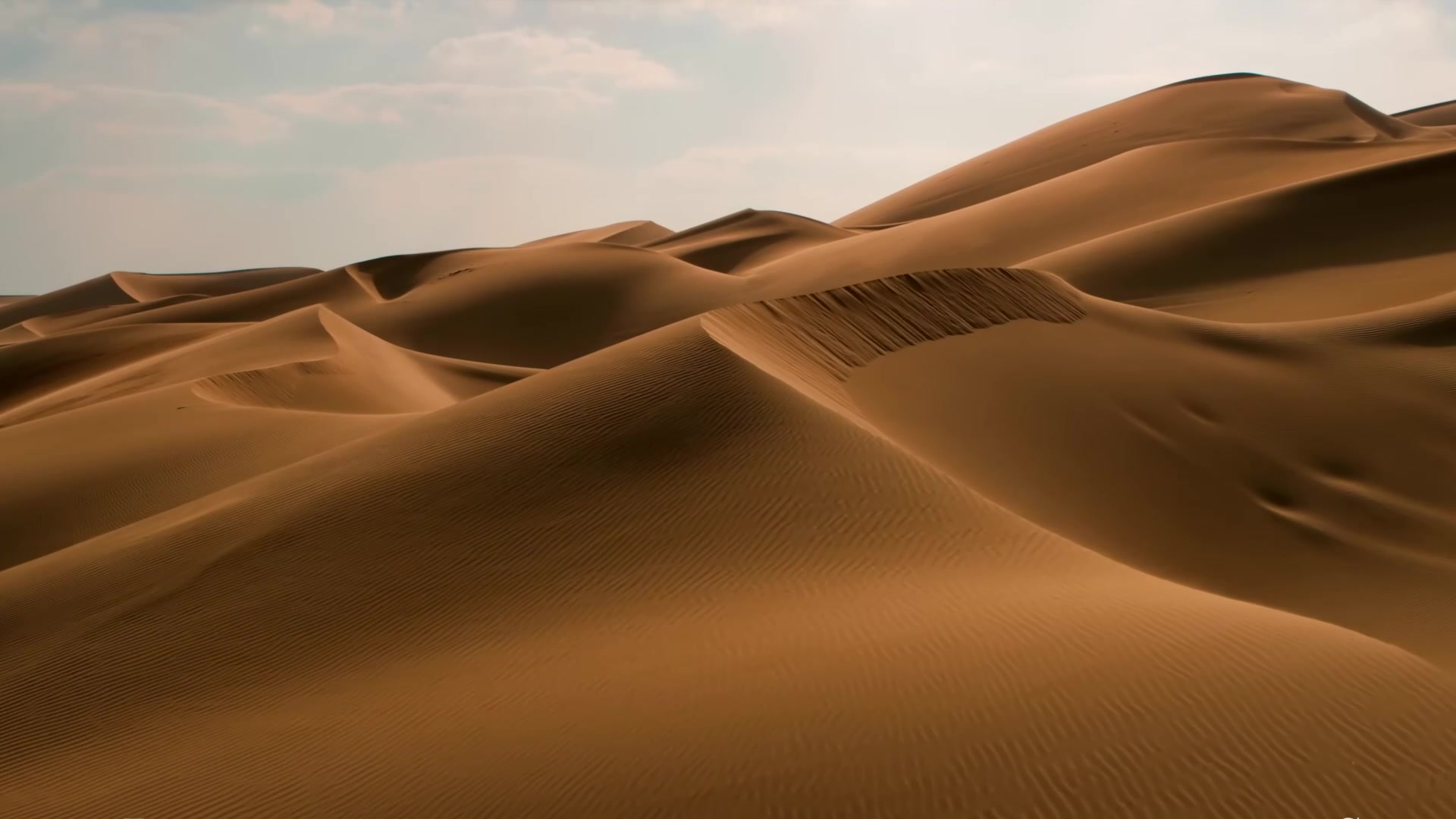
The Sahara is a year-round destination, but the experience changes a great deal by season. Daytime temperatures can climb well above 40°C in July and drop close to freezing on January nights.
- Spring (March–May): roughly 25–30°C by day. Warm days, cool nights, and ideal camel trek conditions — the most-booked window of the year.
- Summer (June–August): roughly 38–45°C. Brutal heat in the dunes; we don't recommend Sahara tours in summer unless specifically requested.
- Fall (September–November): roughly 26–32°C. The second-best season, with warm days, cool nights, and harvest underway in the Draa Valley palm groves.
- Winter (December–February): warm days around 18–22°C but cold nights, sometimes near freezing. Magical in the dunes — camps provide extra layers and blankets.
Pack smartWhat to Pack for a Sahara Desert Tour
You only need an overnight kit for the camp; everything else stays in your vehicle. Here is the short list our travelers say they wish they'd known about before arrival — see our full tailor-made Morocco tours for how we build the rest of the itinerary around your Sahara nights.
- ✓Lightweight breathable layers for daytime, plus a warm fleece or sweater for desert nights (a down jacket in winter)
- ✓Long sleeves and trousers for sun protection on the camel, a wide-brimmed hat or Berber-style turban, and a light scarf for sand and wind
- ✓Comfortable closed shoes, high-SPF sunscreen, sunglasses, and SPF lip balm for the very dry air
- ✓A reusable water bottle, a universal travel adapter, and a small backpack for the camel trek
- ✓Camera with spare batteries, a lens cloth for fine Saharan dust, a power bank, a headlamp, and ziplock bags to protect electronics in a sandstorm
Why book usWhy Travelers Choose Gateway2Morocco for the Sahara
There are dozens of Marrakech-based operators running Sahara tours, and most are resellers running the same shared-minibus circuit. Here is what's different about ours.
- Private, never shared: your vehicle, your group, your driver — every Sahara tour is fully private, with no coach loaded with strangers and no waiting for a group to be ready.
- Camps we've personally inspected: our team vets every desert camp we use for water, sanitation, fire safety, and food handling, and we do it twice a year.
- Experienced desert drivers: Erg Chigaga's 4x4 routes require drivers who know the piste by memory, and ours have decades of desert driving experience.
- BPCPA-licensed agency: British Columbia consumer-protection license #80460, so your deposit is held under regulated trust rules and normal credit-card chargeback protections apply.
- 24/7 in-country support: one number, Morocco time, a real person — if you need to reach us from camp, our team handles it directly rather than routing through an overseas call centre.
- USD-native pricing: you see and pay in U.S. dollars, with no exchange-rate guessing or surprise foreign transaction surcharges.
How many days in the Sahara is enough?+
Two nights in the desert (one full day) is the standard, and what we recommend. One night can feel rushed, since you arrive in the late afternoon, sleep, and leave early the next morning. Three or more nights start to feel repetitive unless you're combining the stay with desert hiking, sandboarding, or specific photography goals.
Erg Chebbi or Erg Chigaga — which Sahara dune sea should I choose?+
Erg Chebbi (Merzouga) is the better choice for first-time Sahara visitors: tall, iconic dunes, easy access by paved road, and a wide range of camp tiers from classic to 5-star. Erg Chigaga is the better choice for repeat visitors, photographers, and travelers who want a genuine expedition feel, with fewer tourists, 4x4-only access, and a deeper Sahara experience.
Is the camel trek to the Sahara camp necessary, or can I drive in?+
You can drive directly into both Erg Chebbi and Erg Chigaga camps by 4x4 if you prefer, which is useful for travelers with mobility concerns or anyone who would simply rather not ride a camel. Most travelers do the camel trek anyway — it's 60–90 minutes one way, and the slow walk into the dunes at sunset is genuinely one of the most memorable parts of the trip.
How hot is the Sahara, and when is the best time to visit?+
Summer (June–August) in the Moroccan Sahara is brutal, with daytime temperatures that can climb above 40°C. We don't recommend Sahara tours during these months unless specifically requested. Spring (March–May) and autumn (September–November) are ideal, with warm days and cool nights. Winter (December–February) brings warm days but cold nights, sometimes near freezing, so camps provide extra layers and blankets.
Are the desert camps safe, clean, and well-equipped?+
Yes, for the camps we use. Bathrooms are private at the luxury tier or shared but functional at the classic tier. Water is filtered and food is cooked fresh, with solar power for lighting and phone charging. Cell signal varies by location — Erg Chebbi has reasonable coverage from most carriers, while Erg Chigaga is patchier, so we provide a satellite communicator for emergencies on 4x4 expeditions there.
Can children go on a Sahara camel trek?+
Yes. We've taken children as young as six on the camel trek to Erg Chebbi, with younger children typically riding with a parent. The camel trek is gentle and the camels are well trained, and the slow pace works well for families. Erg Chigaga is also family-suitable, though its longer 4x4 drive is better suited to children eight and up.
Is there a luxury or private Sahara camp option?+
Yes. Our standard 5-star option at Erg Chebbi offers private en-suite bathrooms, fine dining, and attentive round-the-clock service. For fully private clients we can also arrange an exclusive camp, your group only, at either Erg Chebbi or remote Erg Chigaga, with custom dining, glass-roofed stargazing tents, and Berber musicians on request. See our luxury Morocco tours page for details.
What's the drive like from Marrakech to the Sahara?+
Marrakech to Erg Chebbi (Merzouga) is roughly 9–10 driving hours total, broken across two days with an overnight at Dadès Gorge rather than a single-day push. The route crosses the High Atlas via the Tizi n'Tichka pass, with stops at UNESCO-listed Aït Ben Haddou, Ouarzazate, the Roses Valley, the Skoura oasis, and Todra Gorge. Marrakech to Erg Chigaga is shorter overall (about 1.5 days) via Aït Ben Haddou and Agdz, followed by 60-plus kilometers of 4x4 piste from Mhamid into the dunes.
Do I need to be physically fit for a Sahara desert tour?+
No. The camel trek is gentle and requires no walking, the desert camp is comfortable, and the daily drives include regular stops. The only physically demanding option is an optional sunrise dune hike, which is entirely optional. Travelers with mobility limitations can skip the camel trek and go directly into camp by 4x4 without missing the desert experience.
What about sandboarding, quad biking, and other desert activities?+
These are all available on request. Sandboarding is offered at both Erg Chebbi and Erg Chigaga, with boards provided by the camp. Quad biking is more common at Erg Chebbi. Camel trekking comes standard and stargazing is included, and photography-focused sessions can be arranged for serious photographers.
How far in advance should I book a Sahara desert tour?+
For peak season (March–May and September–October), we recommend booking four to six months ahead, since the best camps fill quickly. For the Christmas and New Year period, aim for eight to ten months out. For shoulder seasons such as February–March or November, eight to twelve weeks is usually enough lead time. Last-minute Sahara trips are sometimes possible, so feel free to call us directly.
North to south Exclusive 4×4
Tell us your dates, your group size, and whether Erg Chebbi or Erg Chigaga calls to you, and you'll receive a complete tailor-made itinerary designed around your Sahara trip.
Design my journeyProposal in 24–48h · No deposit to start · Unlimited revisions
Begin your journey
Reading is lovely. Going is better.
Everything on this page comes from more than twenty-five years of taking travellers there. Tell us what moves you and it becomes an itinerary.
Proposal in 24–48h◆No deposit to start◆Unlimited revisions
Start with the journeys or how it works.