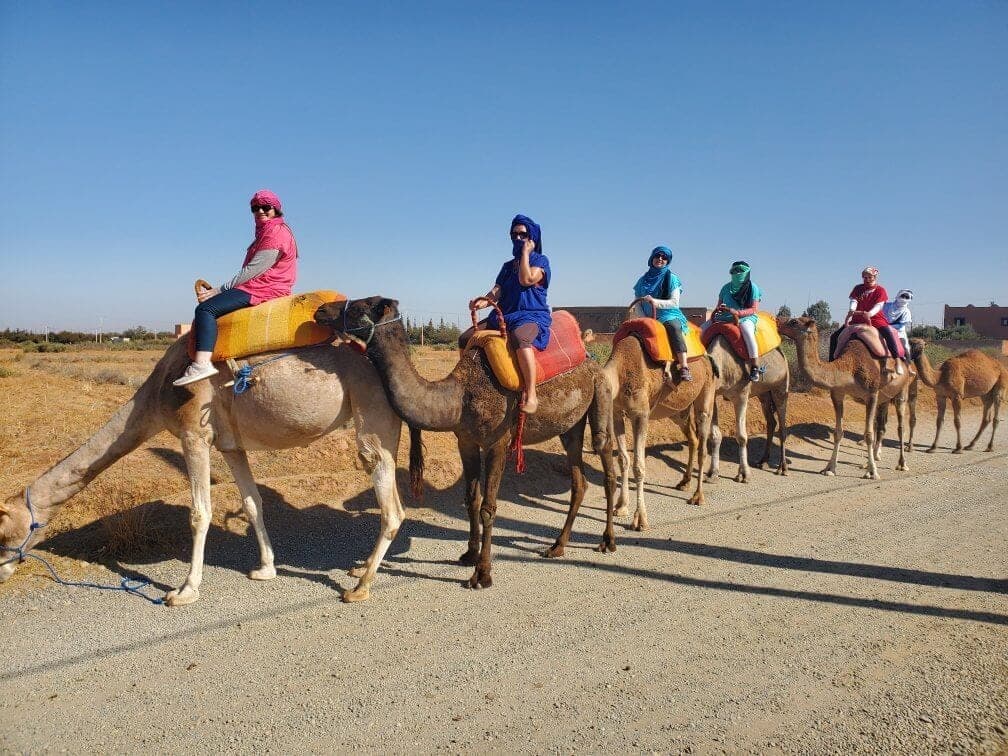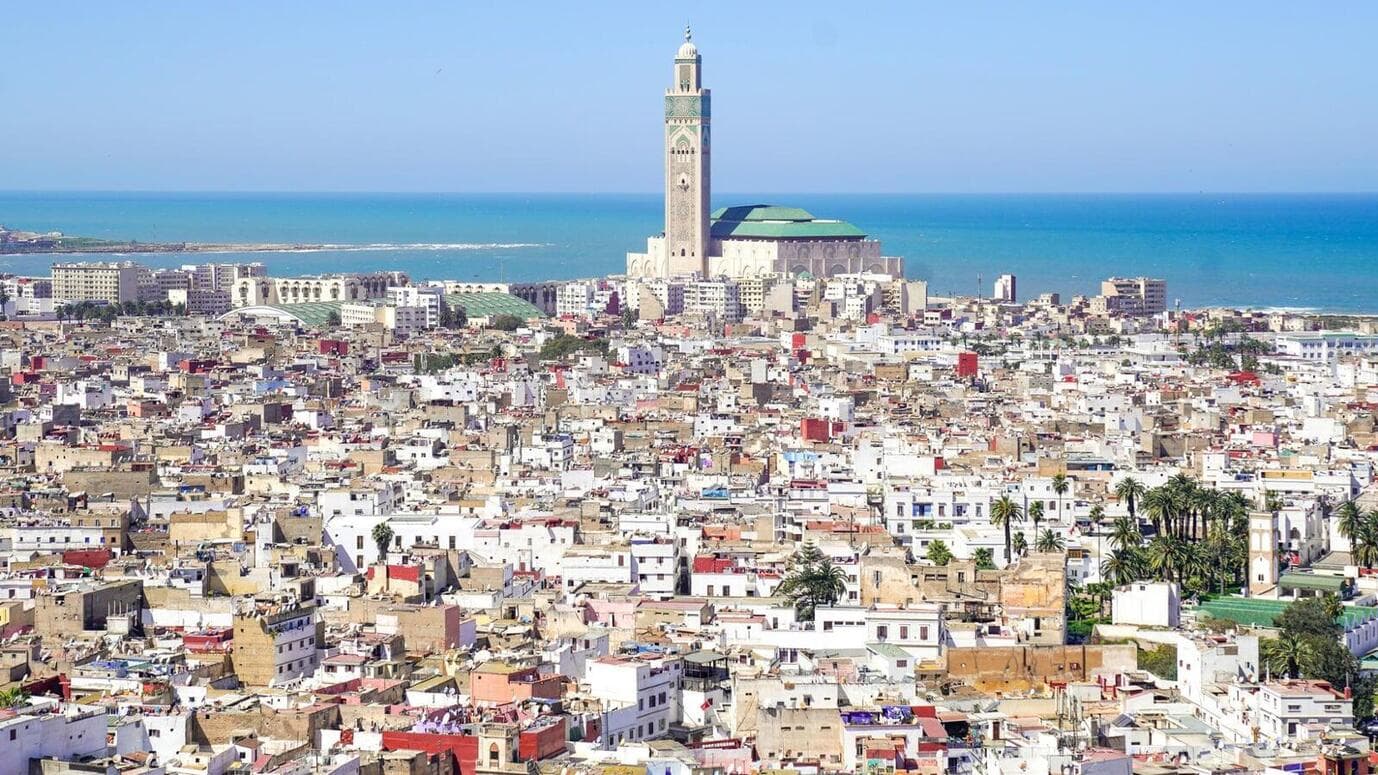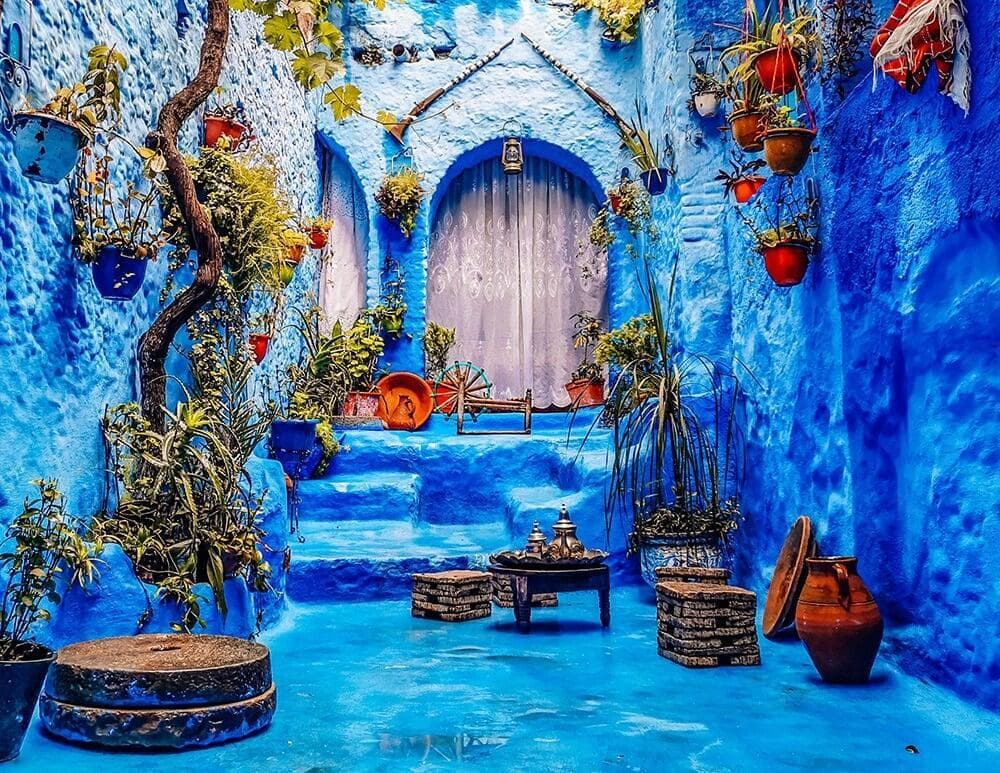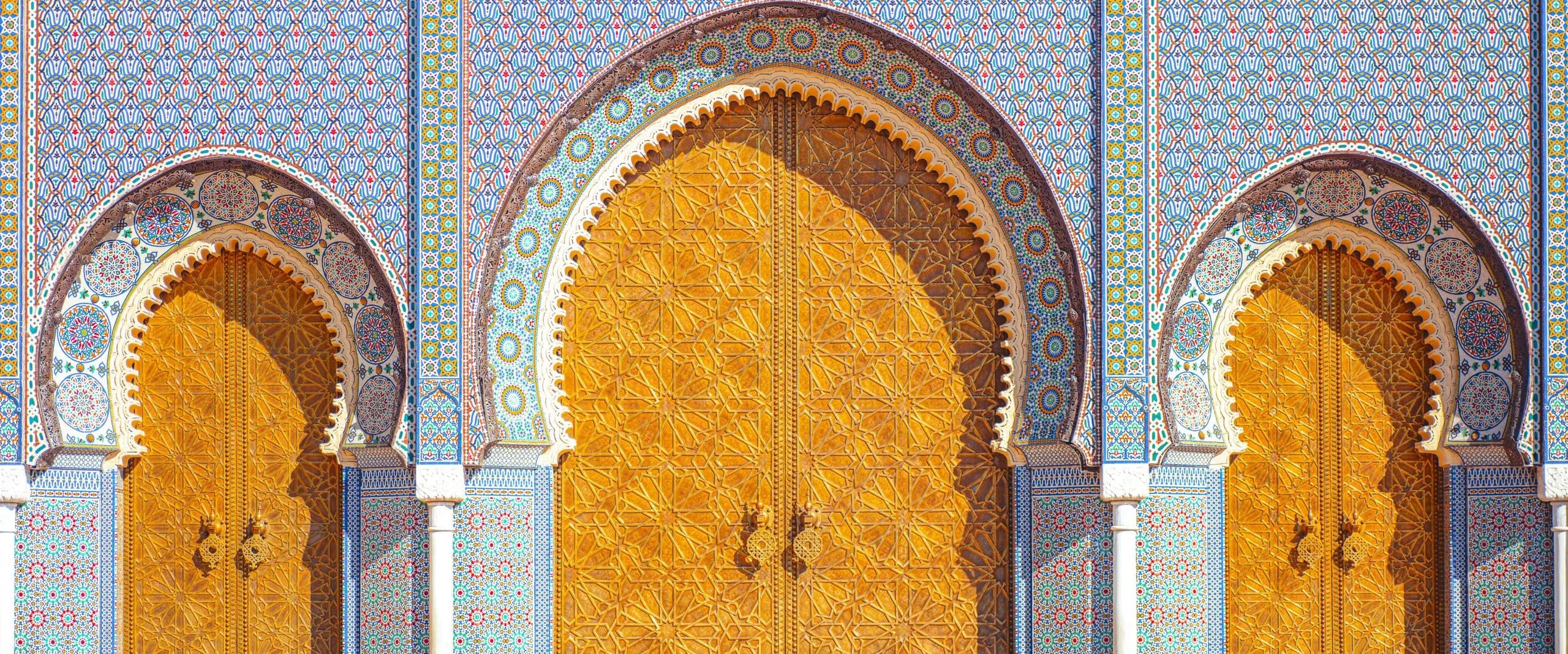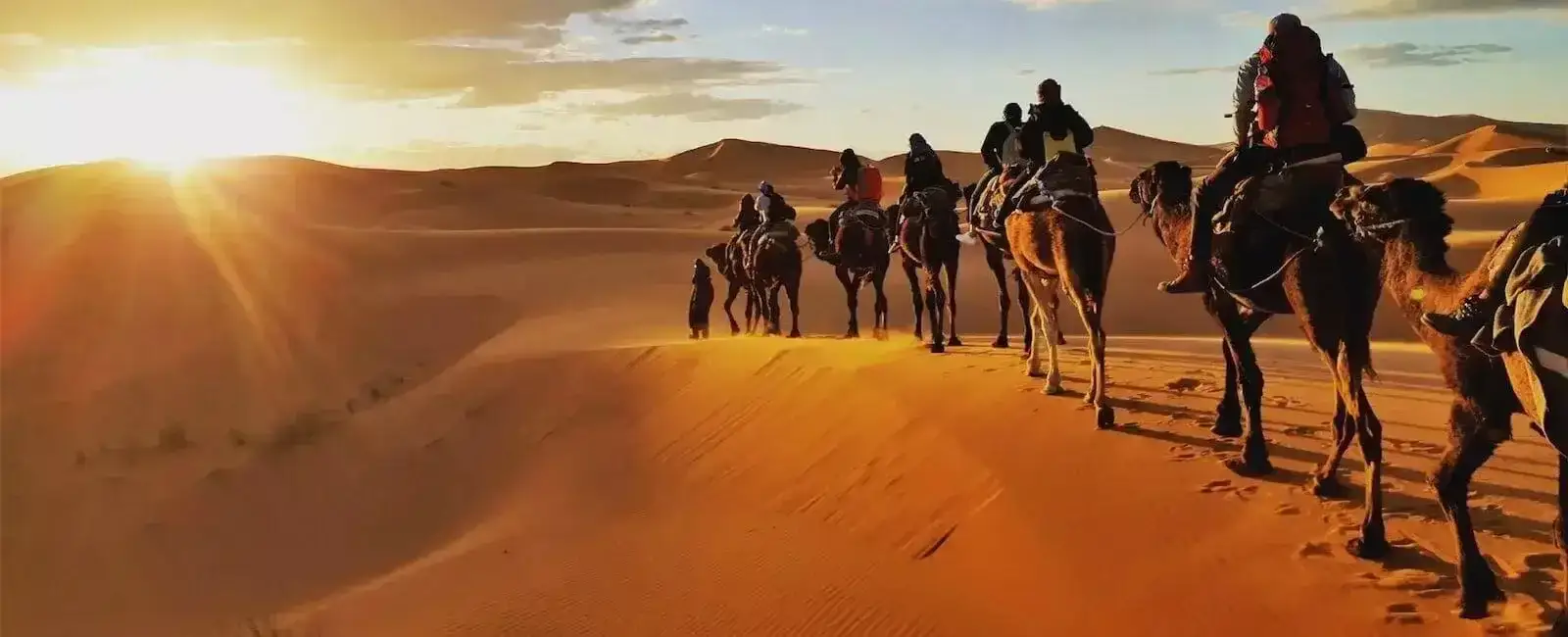
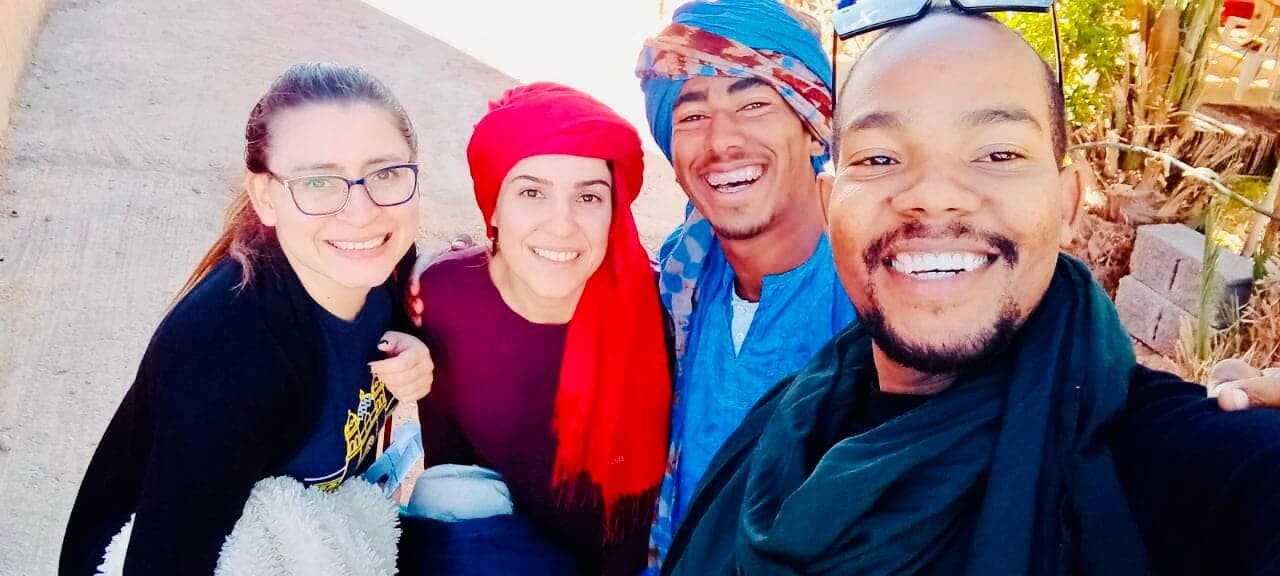
Before you pack your bags, you may find yourself asking the natural question: is Morocco safe to travel to? In our experience, the answer is a confident yes, provided you follow a few basic precautions and respect local customs and laws. Morocco is a friendly and hospitable country, but like anywhere with a busy tourism scene it also has challenges worth understanding. Below we cover how to sidestep scams and tourist traps, how to guard against petty theft, how to dress and behave in a conservative setting, and how to travel safely once the roads turn rural. You will find more of these answers in our Morocco travel questions guide.
STREET SMARTSAvoiding scams and tourist traps
Tourism is a vital source of income for many Moroccans, and the vast majority earn it honestly. A small number, though, try to take advantage of first-time visitors, whether by overcharging, selling low-quality goods, or steering you toward shops where they collect a commission. None of it is dangerous, and all of it is avoidable once you know the patterns. A few habits keep you comfortably ahead:
- Agree on a price before you buy anything or step into a taxi. Haggling is expected and friendly; comparing prices with a second vendor or driver, or simply walking away, usually earns you a fair figure.
- Be gently skeptical of anyone who approaches on the street offering to guide you, show you the way, or lead you somewhere special. Unlicensed guides tend to charge steeply or deliver you to a shop that pays them. Book a licensed guide through a reputable agency or your hotel instead.
- Decline gifts or invitations from strangers, especially ones that involve visiting a home, shop or restaurant. The gesture may be sincere, but it often carries an expectation to buy or to pay for hospitality. A polite no thank you is all it takes.
- Do not let anyone place something on you, such as a henna design, a bracelet or a hat. It will be described as free until money is demanded afterward.
- Research before you book any tour, activity or stay. Travel with a licensed agent, read recent reviews, and be wary of prices that look too good to be true.
YOUR BELONGINGSGuarding against petty crime and pickpocketing
Violent crime against travelers is rare, but petty theft and pickpocketing do occur, particularly in the crowded lanes of souks and medinas and around busy transit points. Opportunists look for visible cash, cameras and phones, and they sometimes work in pairs, with one person creating a small distraction while another moves in. None of this should keep you home; it is the same street sense you would use in any large city back home. A calm, low-key posture goes a long way, and travelers who look settled rather than lost are rarely singled out. These steps keep your valuables where they belong:
- Store your passport, cards and spare cash in a hotel safe, a locker or a hidden money pouch. Carry only what you need for the day, and avoid flashing money or valuables in public.
- Stay aware of your surroundings in busy, chaotic places, and give a wide berth to anyone crowding you or trying to start an argument.
- Use a bag with secure zippers and keep it in front of your body rather than hanging off a chair or your shoulder. Keep anything valuable in a pocket that is hard for a stranger to reach.
- If theft does happen, do not chase or confront the person. Report it to the police and your embassy promptly, and cancel your cards straight away. Your safety is always worth more than the contents of a wallet.
Follow these simple habits and the odds tip firmly in your favor. Staying relaxed and observant, rather than anxious, is the real secret to a smooth trip.
LOCAL CUSTOMSDressing and behaving with respect
Morocco is a predominantly Muslim country with warm, easygoing social norms, and a little cultural awareness is always appreciated. You do not need to overthink it; dressing and behaving with modest good manners is enough to be welcomed everywhere. Keep these gentle guidelines in mind:
- Dress modestly, avoiding clothing that is very tight or revealing. Both men and women are comfortable covering at least to the knees and shoulders. A light scarf is handy for women when entering a mosque or place of worship.
- Drinking or smoking in public is frowned upon and, in some areas, restricted. If you do, keep it discreet and never near a mosque or someone at prayer.
- Greet people warmly with a handshake and a smile, and a simple 'Salam Alaikum' or the French 'Bonjour' opens most doors. As a courtesy, men should wait for a woman to extend her hand first.
- Save public displays of affection for private moments; kissing, hugging and hand-holding in the street are best avoided.
- A few words of Arabic or French are genuinely appreciated and often turn a transaction into a conversation.
- Always ask before photographing people, who may prefer not to be, and avoid photographing military or government buildings.
The single biggest safety upgrade for rural and desert travel is simple: a private vehicle and a driver who knows the terrain. When your route runs through the High Atlas passes or out toward the dunes, having a professional at the wheel removes almost every variable that worries first-time visitors. It is the quiet backbone of every itinerary we plan, and the reason our guests move through remote Morocco as easily as they move through a city.
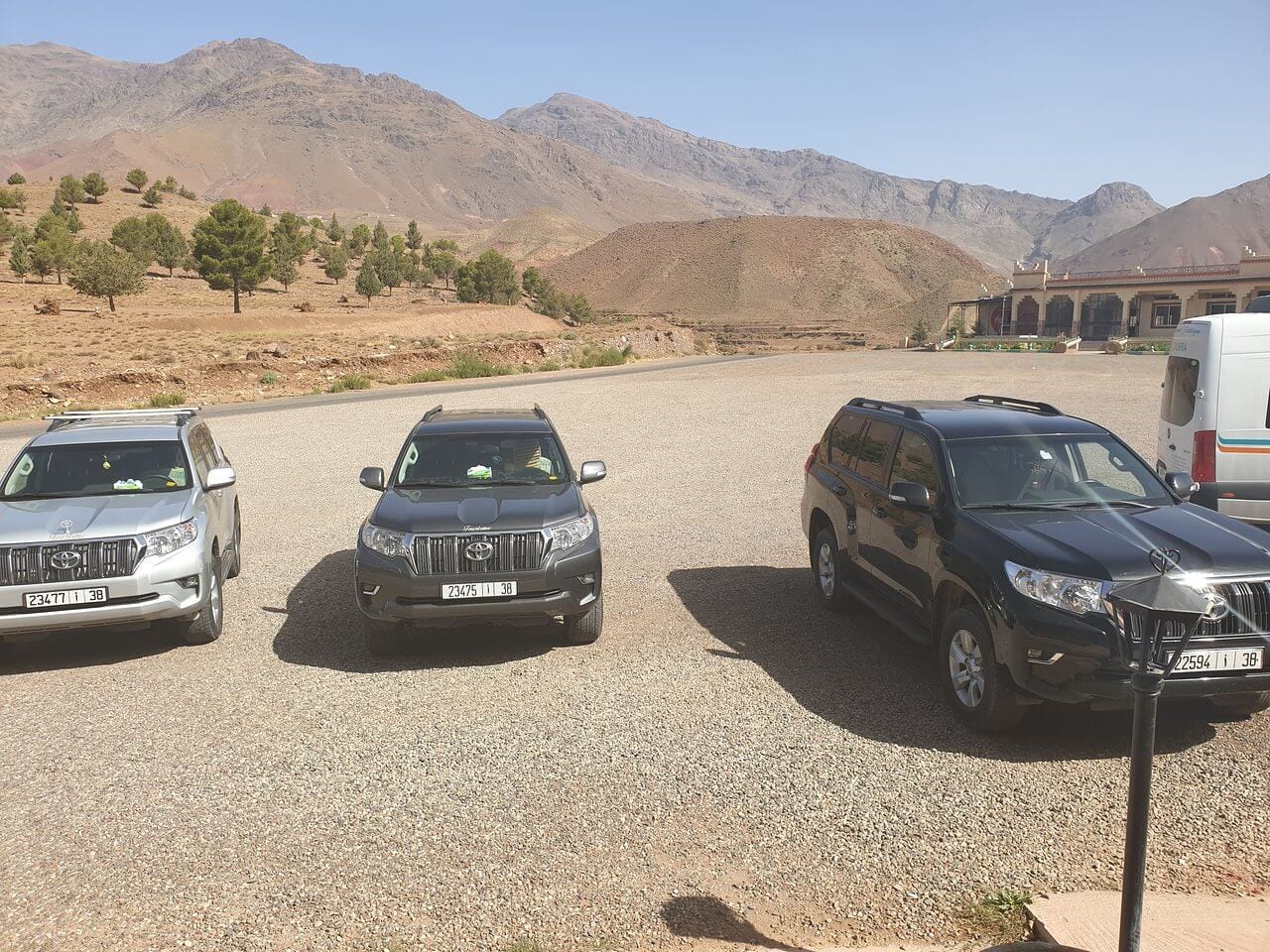
OFF THE MAIN ROADSTraveling safely in rural and remote areas
Some of Morocco's most memorable places lie well beyond the cities, in the Atlas Mountains, the Draa Valley and the Sahara. Reaching them safely rewards a little planning. Arrange your route with a licensed Morocco travel expert, and book transportation and lodging well ahead, especially if you favor small luxury riads, which have only a handful of rooms and sell out quickly. Check the weather and road conditions before you set out. Beyond that, a few practical measures cover the essentials:
- Travel with a licensed operator or guide who knows the region and can keep you moving safely between stops.
- Pack thoughtfully: a sturdy bag, a warm layer for cold desert nights, a flashlight or headlamp, a refillable water bottle, a basic first-aid kit, offline maps, a charged phone and a small multi-tool.
- Expect that electricity, running water, mobile signal and medical care may be limited in the most remote spots, and carry what you need to be self-sufficient for a day.
With the right preparation, Morocco is a welcoming and deeply rewarding destination, and traveling on a fully private, licensed Morocco tour removes most of the friction before it starts. It is worth timing your trip well, too: our month-by-month guide to visiting Morocco helps you pick the ideal season. For staying well on the road, see our notes on health and vaccinations, our advice on currency and money, and the current visa requirements for Canadian and American travelers.
Travel with confidence on a private, tailor-made Morocco tour guided by local experts. A written proposal within 48 hours, no deposit, unlimited revisions.
Begin your journey