What you're actually walking into
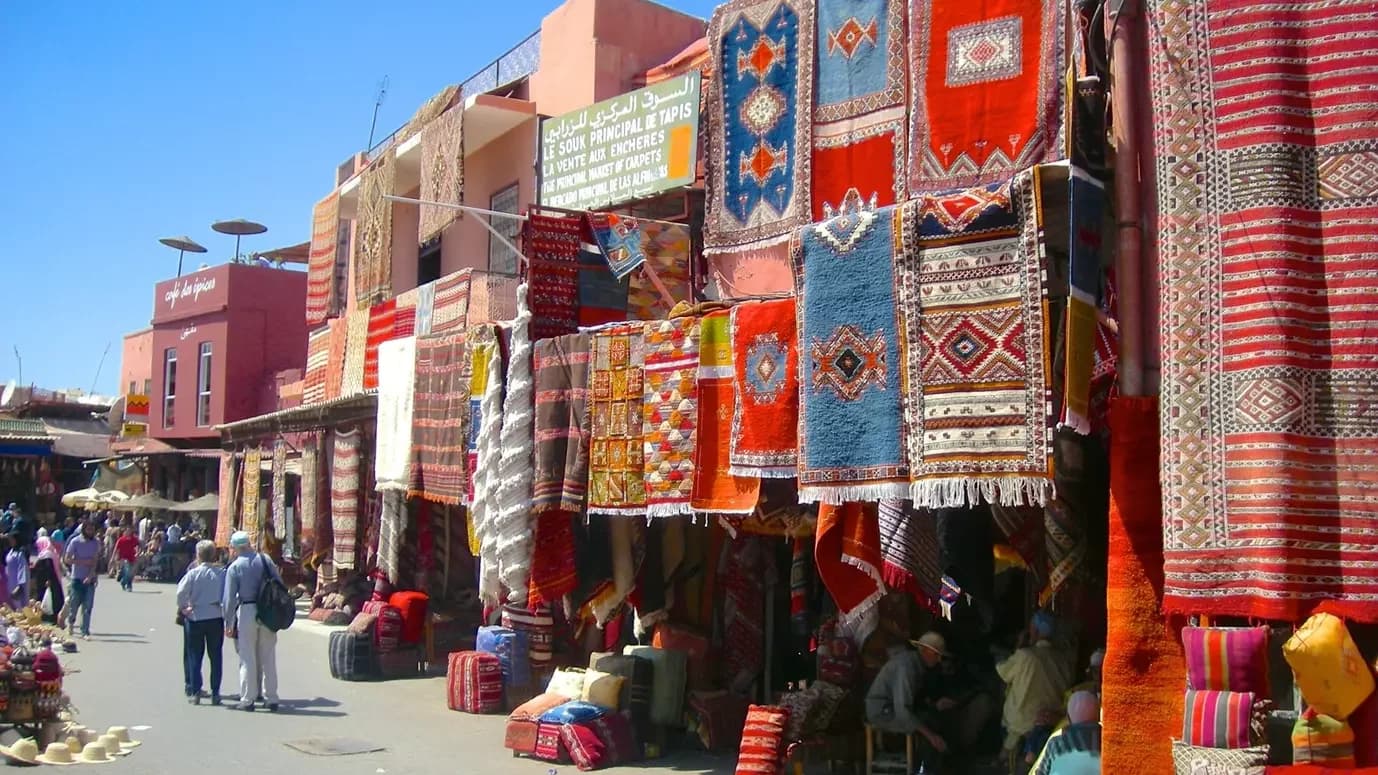
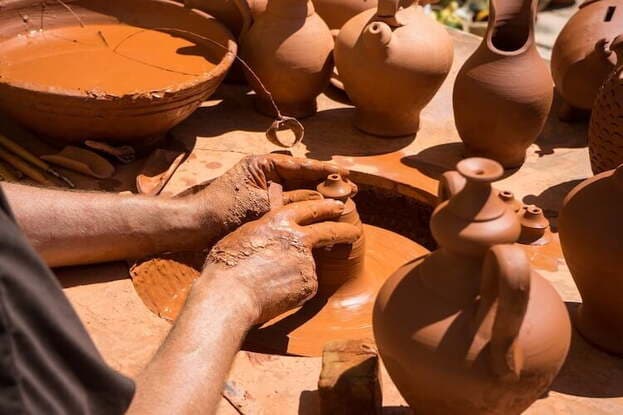
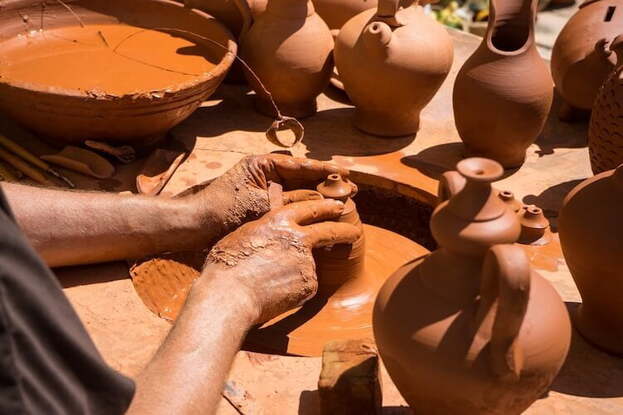
A Moroccan souk is not a market so much as a working district — lanes grouped by trade, where the person selling you a lamp very often made it in the room behind the stall. That is the pleasure of it and the reason a little orientation pays off. You are not being funnelled through a tourist bazaar; you are walking through a craft economy that has run the same way for centuries. Prices are negotiable, quality varies wildly within a few metres, and the best pieces are rarely the ones pushed hardest.
The cities and what they're known for
Each city's souks have a specialty, and knowing them helps you buy the real thing where it's made.
- Marrakech — the broadest market of all: leather babouches, lanterns, carpets, spices, argan oil, and the ceramics of the surrounding region. Overwhelming and wonderful; see our full Marrakech travel guide for the lay of the medina.
- Fes — the craft capital. The Chouara tanneries, brass hammered in Place Seffarine, blue Fassi pottery, and fine embroidery. The place to buy leather and metalwork at the source.
- Tetouan and the north — Andalusian traditions: lattice woodwork, silver, and textiles woven with a Spanish accent.
- Essaouira — thuya wood inlay from the coastal workshops, plus a calmer, breezier souk that's easy to browse.
- Rabat — Rabati carpets on the Rue des Consuls, among the most prized in the country and sold with less pressure than Marrakech.
How bargaining really works
Bargaining in Morocco is a conversation, not a battle. The first price is an opening; a fair final price is often somewhere between a third and two-thirds of it, depending on the item and the moment. The etiquette matters more than the maths: stay warm, keep it light, and never start negotiating for something you don't intend to buy. If a number works for you, take it — walking away over the last ten dirhams misses the point. Mint tea may appear; accepting it is friendliness, not obligation.
What's worth buying, and shipping
The things that travel best are the things Morocco does better than anywhere: a hand-knotted rug, a good leather bag, a set of tea glasses, argan oil bought somewhere reputable, spices you'll actually cook with. For carpets and large ceramics, reputable shops arrange international shipping and it is usually worth it — carrying a rug through three more cities is nobody's idea of a holiday. Keep it to pieces you love rather than souvenirs by the armful; the medina will still be full next time.
Avoiding the commission trap
The one thing worth guarding against is the commission circuit — a "guide" or driver who steers you only to shops that pay them a cut, where prices are inflated to cover it. It's the single biggest reason group tours feel like a series of sales stops. On a private trip the incentive is simply reversed: our drivers and guides take you where you ask, we don't run commission stops, and if you want a specific workshop we'll find it. That's part of the wider case for going tailor-made, where the day belongs to you rather than a shopping schedule.
Souk shopping questions, answered
Private journeys through the great market cities
Tell us the crafts and cities that interest you and we'll build the souks into a private route, with guides who take you to the makers. A written proposal within 48 hours, no deposit, unlimited revisions.
Design my journey