 Best value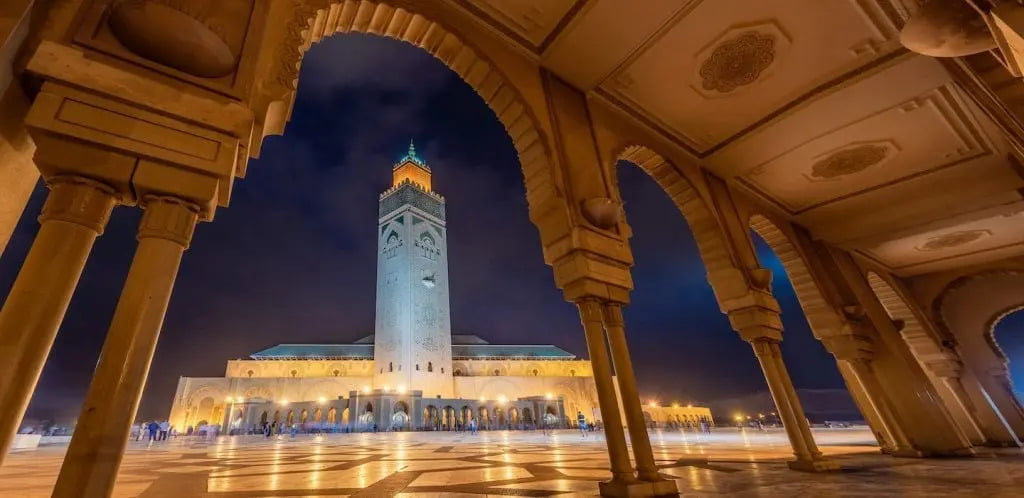
Travel guide
Morocco Travel Guide 2026: When to Go, Where to Stay & What to See
Everything you need to plan a private Morocco tour: the best months to visit each region, the 16 most-visited cities and what to do in each, where to sleep from riads to desert camps, and the insider tips that separate a good trip from a great one.
By Brahim Jounh10 min read
★ 4.9
on TripAdvisor
300+
verified reviews
100% private
tailor-made journeys
Licensed CA agency
BC Consumer Protection #80460
4.9 ★
TripAdvisor rating
300+
Traveler reviews
100%
Private departures
The essentials
Morocco at a Glance: What You Need to Know
Morocco is a year-round destination shaped by four distinct seasons across coast, mountains, imperial cities, and the Sahara. Winter (Nov–Feb) brings fewer crowds, lower prices, mild days in cities and deserts, and snow sports in the High Atlas. Spring (Mar–May) is peak season — blooming landscapes, ideal temperatures, and stable weather across every region — so book ahead. Summer (Jun–Aug) is hot inland but temperate on the Atlantic coast and in the mountains; time activities for mornings and evenings. Early autumn (Sep–Oct) is our personal favorite: warm but comfortable, lighter crowds, harvest festivals, and ideal conditions for grand tours, hiking, and photography.
This guide covers what to expect month-by-month, the 16 most-visited cities organized by region, the four main accommodation types (luxury hotels, riads, guesthouses, desert camps), and the questions travelers ask us most often when planning their first Morocco tour.
When to go
Morocco Travel Month by Month
Each season opens up a different side of Morocco. Here's how to pick the right month for the trip you have in mind — and what to expect once you're there.
- ✓Spring (March–May), 15–28°C in cities, warm Sahara: Peak season. Wildflowers across the Atlas, comfortable city temperatures, almond blossom in the Ourika Valley, and the desert at its most enjoyable. The best month for first-time visitors — book hotels 3–6 months out.
- ✓Summer (June–August), 35°C+ inland, 22°C coast: Hot inland, perfect on the coast. Marrakech and Fes reach 38–40°C; Essaouira stays breezy at 22°C with the trade winds. Best season for Atlantic beaches, mountain trekking, and the festival calendar (Gnaoua, Timitar, Sacred Music).
- ✓Autumn (September–November), 22–32°C, ideal Sahara: Our favourite season. Sahara cools to a perfect 25–30°C days, imperial cities are comfortable at 22–28°C, date harvest in the southern oases, and lighter crowds in October. Photographers love the autumn light.
- ✓Winter (December–February), 12–20°C in cities, snow in the Atlas: Cosy and uncrowded. Mild city days, dramatic Sahara with crystal-clear stargazing, snow on the High Atlas peaks (Oukaimeden skiing), and lower hotel prices. Pack layers, waterproofs for the mountains, and treat yourself to a hammam.
The 16 Cities Every Traveler Asks About
We've organized Morocco's most-visited cities into four geographic regions. Each one has its own character — pick the ones that match your trip, and we'll route the journey.
Imperial Cities & the Cultural Heart
Marrakech · Fes · Meknes · Rabat
Marrakech — The Red City, founded 1062 by the Almoravids. Jemaa el-Fna at sunset, the souks of the medina, the Majorelle Garden, and luxury riads behind unassuming doors. The country's most theatrical city. Highlights: Jemaa el-Fna Square & the souks, Majorelle Garden & YSL Museum, Bahia Palace & Saadian Tombs, Koutoubia Mosque & Menara Gardens.
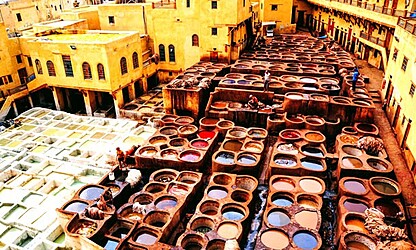
Fes — Founded 808 AD, the spiritual and intellectual capital. The largest car-free urban area on earth, home to al-Qarawiyyin University (oldest in the world), the leather tanneries, and the great Merinid medersas. Highlights: al-Qarawiyyin Mosque & University, Chouara Leather Tanneries, Bou Inania & Attarine Medersas, Nejjarine Museum of Wooden Arts.
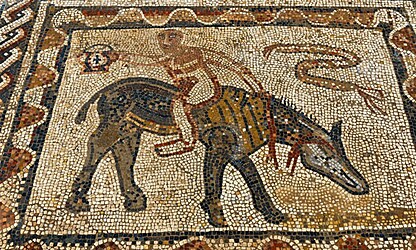
Meknes — Moulay Ismail's 17th-century "Versailles of Morocco". UNESCO-listed medina, the monumental Bab Mansour gate, and the royal stables that once held 12,000 horses. Pair with Volubilis (Roman ruins) and Moulay Idriss. Highlights: Bab Mansour & the imperial walls, Mausoleum of Moulay Ismail, Royal Stables of Heri es-Souani, Volubilis Roman ruins (35 min away).
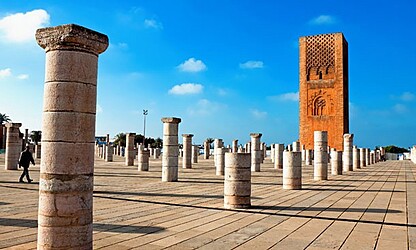
Rabat — The modern capital: Almohad ramparts, the Hassan Tower, the Kasbah of the Udayas with its blue-and-white alleys, and the Chellah necropolis. Quieter and more elegant than Marrakech, with eco-conscious gardens. Highlights: Hassan Tower & Mohammed V Mausoleum, Kasbah of the Udayas, Chellah Necropolis, Mawazine World Music Festival.
The North: Mediterranean & Andalusian Morocco
Tangier · Chefchaouen · Tetouan · Al Hoceima
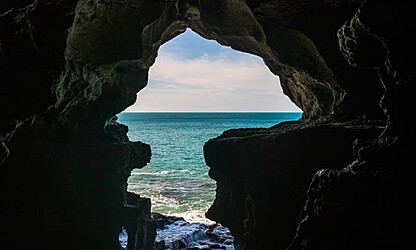
Tangier — The Door of Africa, where Mediterranean meets Atlantic, 14 km from Spain. A century of artists and writers (Matisse, Bowles, Burroughs) shaped its dreamy, white-washed Kasbah and lively medina. Highlights: The Kasbah & Grand Socco, Caves of Hercules & Cape Spartel, American Legation Museum, Gardens of La Mendoubia.
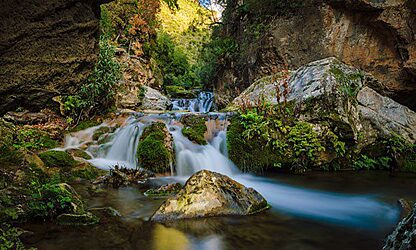
Chefchaouen — The Blue City, nestled on a Rif mountainside, every wall washed in shades of indigo. A photographer's paradise with carpet shops, mountain hikes to Akchour Waterfalls, and one of Morocco's most relaxed medinas. Highlights: The blue-washed Old Medina, Akchour Waterfalls & God's Bridge, Talassemtane National Park, the Grand Mosque & Plaza Uta el-Hammam.
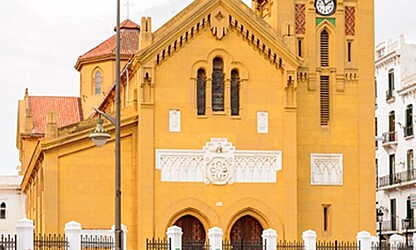
Tetouan — The "Daughter of Granada", the most complete Andalusian medina in Morocco, built by refugees from the Reconquista. UNESCO-listed, with Hispano-Moorish architecture and the luxury beach resort of Tamuda Bay nearby. Highlights: UNESCO Old Medina (7 gates), Ethnographic & Archaeological Museum, Tamuda Bay beach resort, Royal Palace of Tetouan.
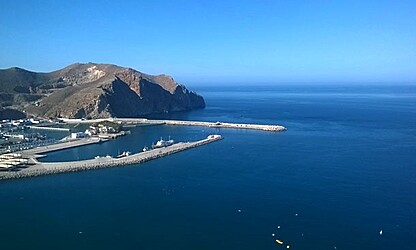
Al Hoceima — A turquoise Mediterranean bay framed by cliffs and pine forests, one of Morocco's most beautiful coastlines. Hidden coves, a national park, and a quietly authentic Rif-Berber feel, off the standard tourist route. Highlights: Al Hoceima National Park, Cala Bonita & Quemado beaches, Moro Viejo cornice viewpoint, Torres de Alcala watchtower ruins.
The Atlantic Coast: Beach & Surf Cities
Casablanca · Essaouira · Agadir · Safi
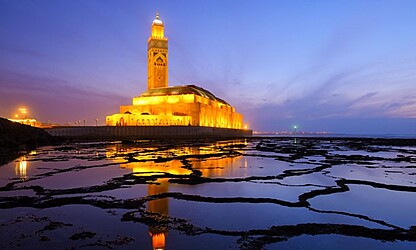
Casablanca — Morocco's economic capital and largest city: Art Deco boulevards, the spectacular Hassan II Mosque built over the Atlantic, the Corniche, and a young, modern energy that contrasts the imperial cities. Highlights: Hassan II Mosque (3rd largest in the world), Ain Diab Corniche & Morocco Mall, Old Medina & Habous Quarter, Casablanca and Jazzablanca festivals.
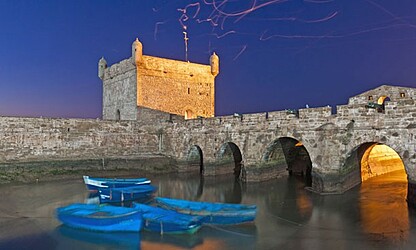
Essaouira — The "Bride of the Atlantic", an 18th-century fortified port, white-and-blue medina, famous trade winds for kitesurfing, fresh seafood at the fishing port, and the world-famous Gnaoua music festival every June. Highlights: UNESCO-listed Medina & Ramparts, Skala de la Ville sea wall, fishing port & seafood market, Gnaoua World Music Festival (June).
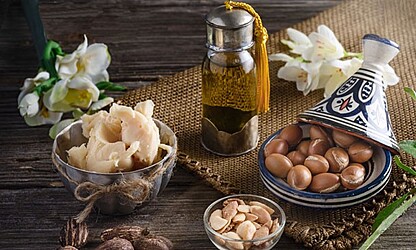
Agadir & Taghazout — Morocco's premier beach destination: 300 days of sunshine, a 10 km beachfront promenade, world-class surfing at nearby Taghazout, and the home of argan oil. The most reliable warm-weather coast year-round. Highlights: Agadir Beach & Marina, Taghazout surf village, Crocoparc & Souk El Had, argan oil cooperatives.
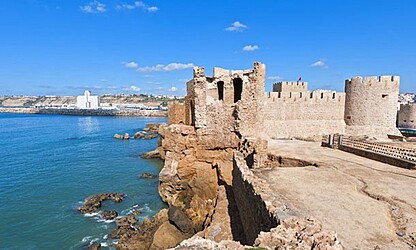
Safi — Morocco's ceramics capital: a 500-year-old Portuguese fortress (the Kechla), the famous Potters' Hill, an authentic medina, and one of the world's most respected big-wave surf breaks ("The Garden"). Highlights: The Kechla fortress & Ksar el-Bahr, Potters' Hill (Colline des Potiers), Portuguese Cathedral, "The Garden" surf break.
Atlas Mountains & the Sahara South
Ouarzazate & Ait Benhaddou · Merzouga · Dades & Todra · Azilal
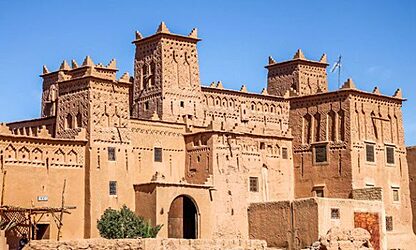
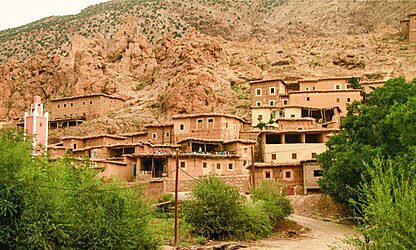
Ouarzazate & Ait Benhaddou — The "Hollywood of Africa": Atlas Studios, the UNESCO-listed Ait Benhaddou ksar (Gladiator, Game of Thrones), the Taourirt Kasbah, and the gateway to the Sahara via the Draa Valley. Stunning Atlas approaches. Highlights: Ait Benhaddou ksar (UNESCO), Atlas Studios film backlot, Kasbah Taourirt, Fint Oasis.
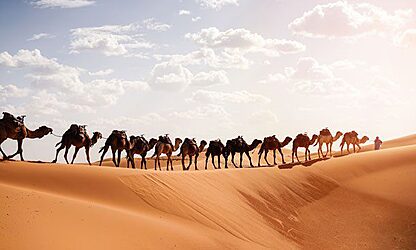
Merzouga & Erg Chebbi — The classic Sahara experience: towering Erg Chebbi dunes (150m+), camel caravans at sunset, luxury desert camps under the Milky Way, and Berber villages. The most photographed corner of Morocco. Highlights: Erg Chebbi dunes & camel trek, luxury desert camp overnight, Lake Dayet Srji & flamingos (spring), Khamlia Gnawa music village.
Dades & Todra Gorges — Two of North Africa's most dramatic canyons: Dades with its winding red-rock road and "Monkey Fingers" formations, Todra with sheer 300 m limestone walls. The classic overnight stop between Marrakech and Merzouga. Highlights: Dades winding switchback road, Todra Gorge cliff walk, Kasbah Amridil (Skoura), Valley of the Roses (Kelaat M'Gouna).
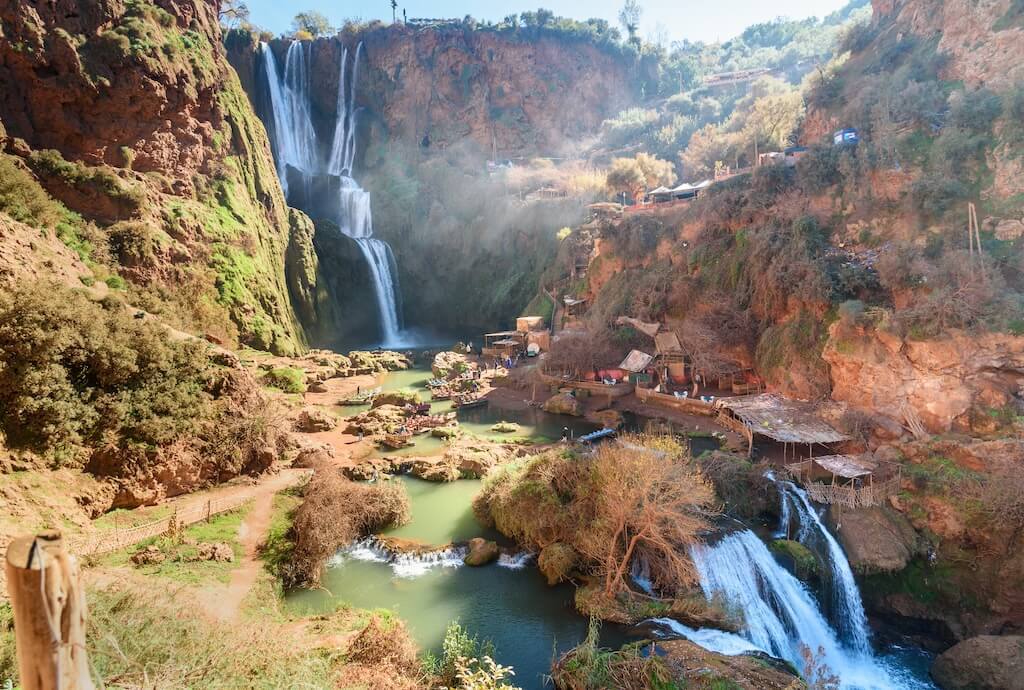
Azilal & the Atlas Heart — The High Atlas heart, home to Morocco's tallest waterfalls (Ouzoud, 110m), the "Valley of Happy People" (Ait Bouguemez), and Mount M'Goun (4,071m). Untouched Berber culture and serious trekking country. Highlights: Ouzoud Waterfalls & Barbary apes, Ait Bouguemez Valley trekking, Bin El Ouidane Lake, Imi N'Ifri natural bridge.
16 Cities, One Seamless Route
Tell us which cities call to you and we'll design a private itinerary that connects them at the right pace.
Design my journeyWhere to stay
Where to Stay in Morocco: 4 Main Options
Morocco offers an exceptional range of stays, from international 5-star resorts to centuries-old riads inside the medinas. Here's what to expect from each.
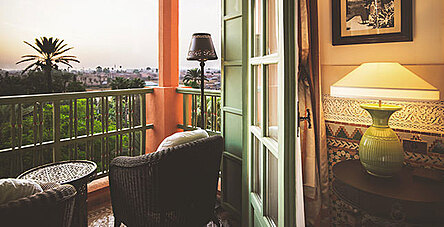
Luxury Hotels & Resorts — The Mamounia in Marrakech, Royal Mansour, Selman, La Sultana — Morocco hosts some of the world's most celebrated luxury properties, regularly ranked by Condé Nast Traveler. International chains (Four Seasons, Fairmont, Mandarin) operate alongside legendary independents.
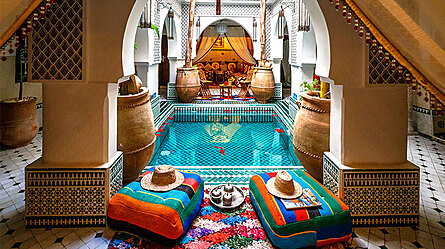
Riads — The signature Moroccan stay: restored traditional homes built around a central courtyard fountain, with intricate zellige tilework, carved cedar ceilings, and rooftop terraces. Most riads have only 6–10 rooms, giving you a deeply personal experience inside the medina walls.
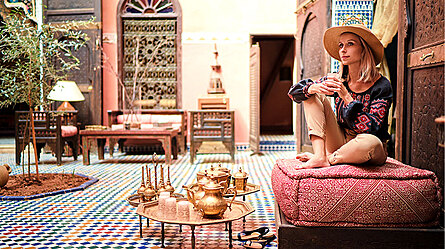
Guesthouses & Maisons d'Hôtes — Boutique guesthouses in mountain valleys, olive groves, or coastal villages, usually family-run, with home-cooked Moroccan meals, swimming pools, and direct access to the surrounding landscape. The best way to slow down and experience rural Morocco.
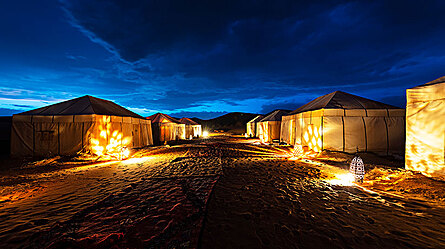
Desert Camps & Glamping — Luxury Berber tents in the heart of the Sahara: private bathrooms, real beds, candlelit dinners, traditional music around the campfire, and a Milky Way view you'll never forget. Available in both Erg Chebbi (Merzouga) and the more remote Erg Chigaga.
Why us
Morocco Trips Designed by Moroccans Who Live Here
We've spent years routing trips across every region of Morocco, and we know which roads are scenic, which months work in which towns, and which riads actually deliver. Every Gateway2Morocco tour is 100% private and built around your dates, pace, and interests.
Vetted Riads & Camps
We've slept in every property we recommend. No surprises, no disappointing arrivals.
Read more →
Licensed Local Guides
Government-licensed specialists at every site — Marrakech, Fes, Volubilis, Ait Benhaddou.
Read more →
Real Drive Times
We pace itineraries around what's actually comfortable on Moroccan roads — never rushed.
Read more →
Good to know
Morocco Travel Guide 2026: When to Go, Where to Stay & What to See FAQs
The two sweet-spot windows are March–May (spring wildflowers, mild cities, warm Sahara — peak season, book early) and September–November (autumn light, ideal desert temperatures, lighter crowds). Avoid July–August inland — Marrakech and the Sahara can exceed 40°C — but those same months are perfect for Essaouira and the Atlantic coast.
Travel with us
Experience it on a private tour
These are starting points — we rebuild any of them around you.
Best value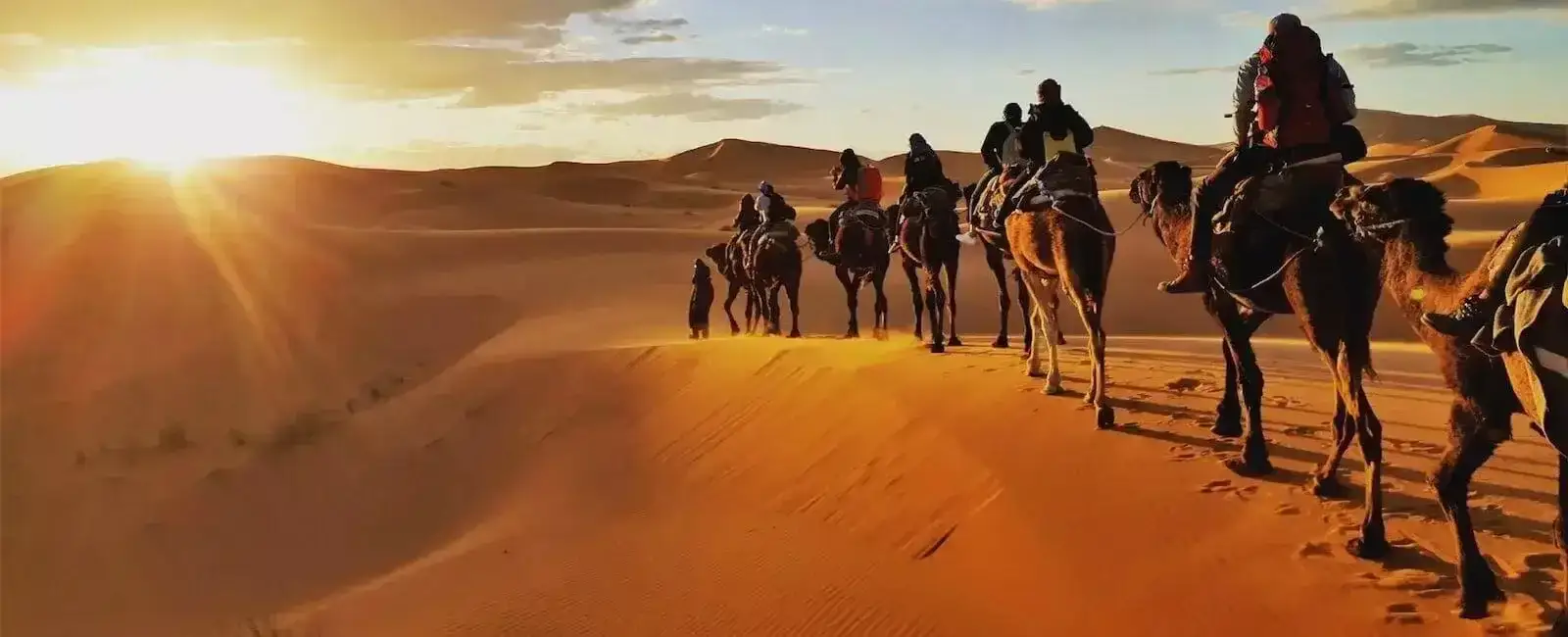 Most popular
 The grand loop
Your route begins
Thinking about Morocco?
Tell us what you're imagining — who's traveling, what you hope for, roughly when. A personal reply from Brahim within 24 hours.
★ 4.9 on TripAdvisor · 300+ reviews · No deposit until it's exactly right