
 Top rated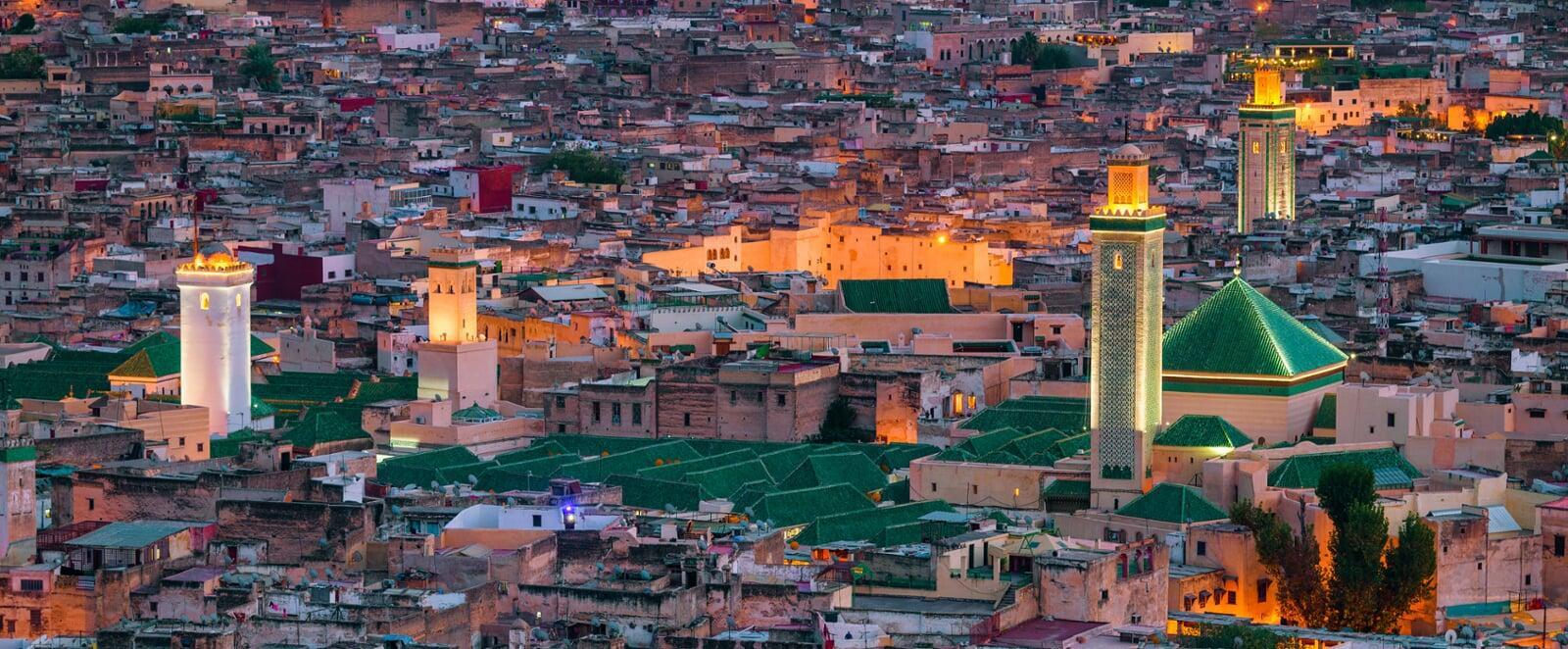
Private Morocco travel
Walled, car-free and built around centuries-old mosques, palaces and souks, the medinas of Fes, Tetouan, Marrakech, Essaouira and Rabat are all UNESCO World Heritage Sites — each one a different chapter of the Moroccan story.
What Is a MedinaA Medina is a City Inside a City
In Morocco, a medina is the old, walled heart of a city — a self-contained world of narrow alleys, fountains, mosques, fondouks, hammams and artisan workshops that has been lived in continuously for centuries. Despite Morocco's modern transformation, the medinas have never lost their place in daily life. Hundreds of families still live and work inside their ochre walls, passing down crafts — leatherwork, ceramics, weaving, brass, woodcarving — that have barely changed since the Middle Ages.
Five Moroccan medinas hold the UNESCO World Heritage designation: Fes (1981), Marrakech (1985), Tetouan (1997), Essaouira (2001), and Rabat (as part of its 2012 listing). Each is car-free, each is best explored on foot with a licensed local guide, and each will pull you back through several layers of Moroccan history in a single afternoon. Whichever medinas you choose to see, they fit naturally into a private Morocco tour built around imperial-city grandeur, Andalusian elegance, Atlantic ports or mountain-edged kasbahs.
Medina of Fes (Fes el-Bali)
Fes el-Bali is the largest car-free urban area on earth — a labyrinth of more than 9,000 narrow alleys, dead-ends, and covered passageways that has been continuously inhabited since the 9th century. Founded by the Idrisside dynasty, the medina grew into the spiritual and intellectual capital of the western Islamic world, drawing scholars, craftsmen and Andalusian refugees who shaped its identity.
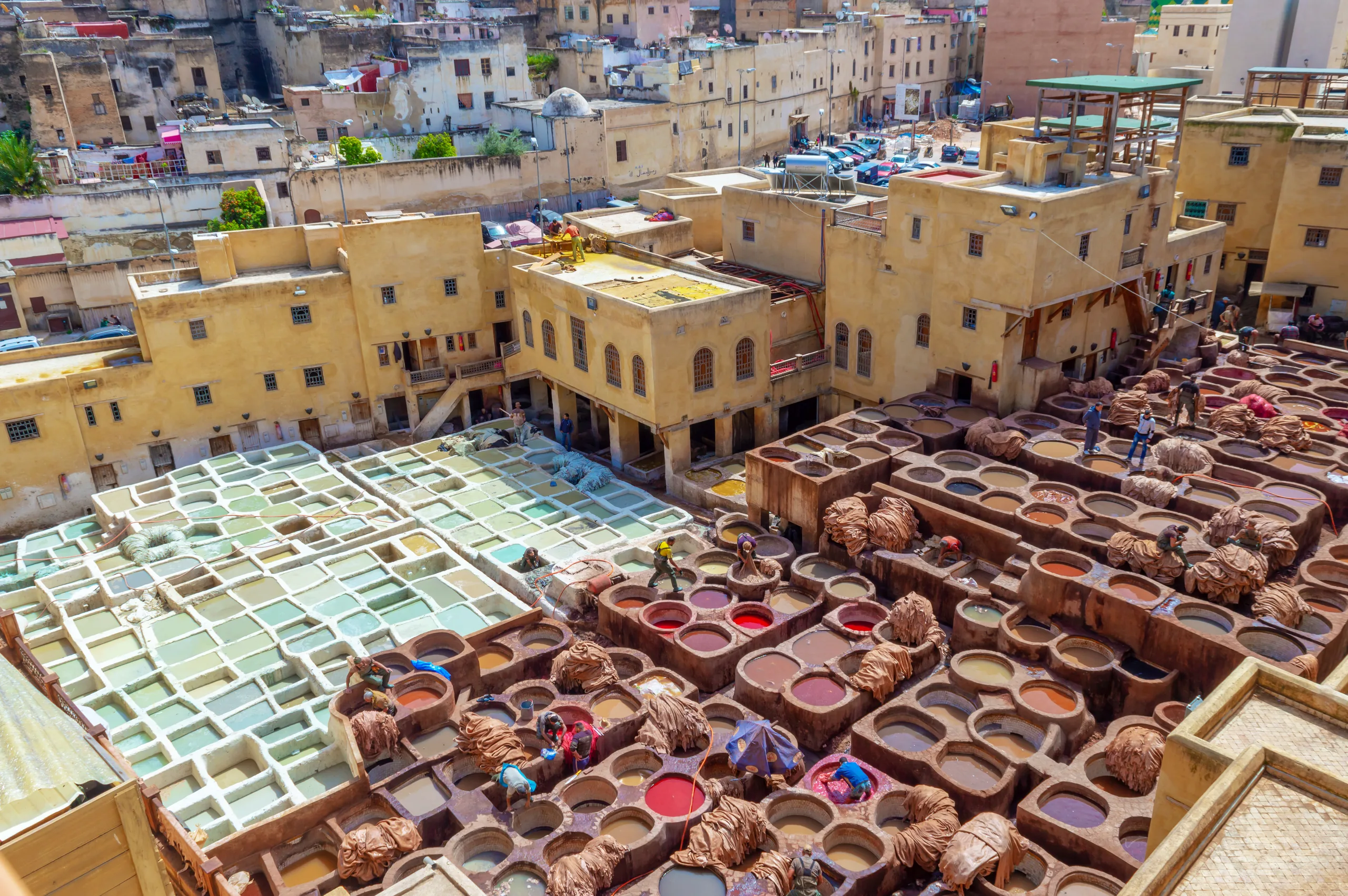
At its heart stands Al-Qarawiyyin, founded in 859 AD and recognised by UNESCO as the oldest continuously operating university on the planet. Around it cluster the great Merinid medersas — Bou Inania, Attarine, Sahrij — each a small masterpiece of zellige tilework, carved cedar and sculpted plaster. Outside the religious quarters, the medina hums with working artisans: the famous Chouara tanneries, copper hammered in the Place Seffarine, looms still clacking in dim workshops. There is no better place in Morocco to understand how a medieval Islamic city actually functioned — and still does.
Medina of Tetouan (Titawin)
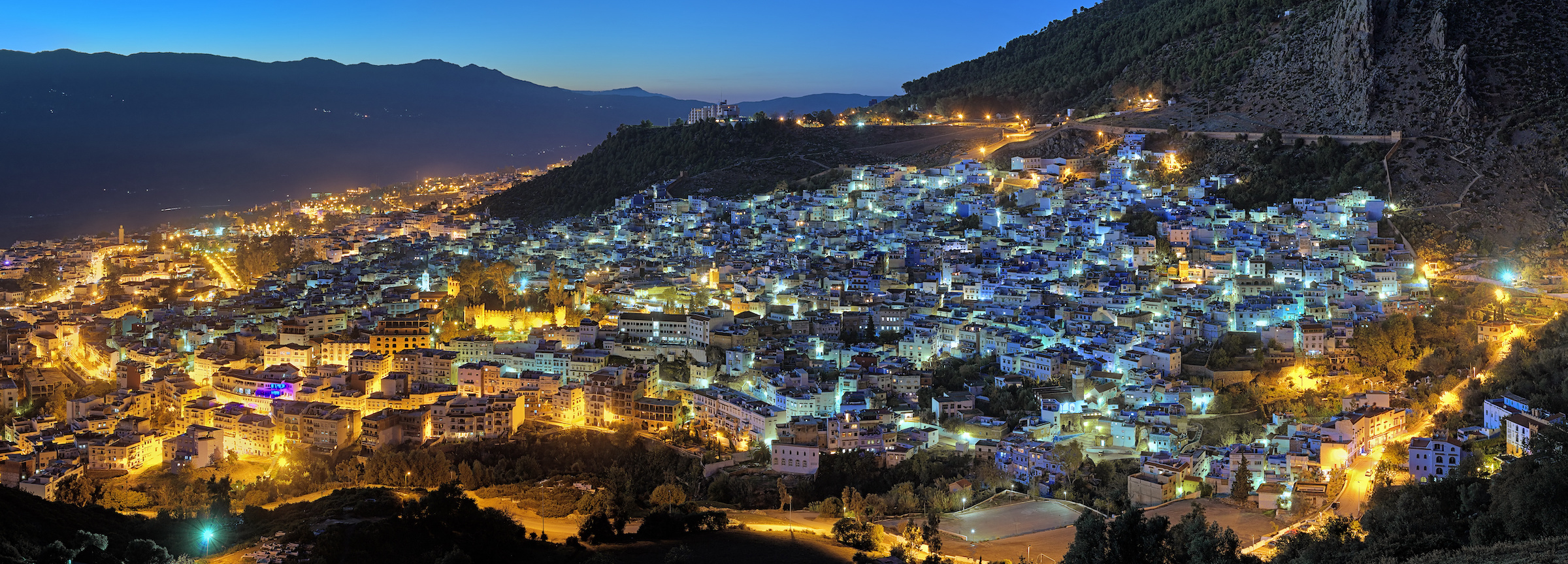
Formerly called Titawin, the medina of Tetouan is the most complete and best-preserved Andalusian medina in Morocco. After the fall of Granada in 1492, waves of Andalusian Muslims and Sephardic Jews crossed the Strait of Gibraltar and rebuilt their cities on Moroccan soil — Tetouan among them. The result is a uniquely hybrid urban fabric: Moorish architecture, Spanish color palettes, and a mountainside layout that reads more like Granada or Córdoba than the rest of Morocco.
Inside its compact, kasbah-shaped walls, the alleys hum with the rhythm of inherited Spanish-Andalusian traditions — embroidery, lattice woodwork, leather, and silver. The medina's Archaeological Museum and Ethnographic Museum protect the city's most precious objects, while the souks remain working markets rather than tourist set-pieces. Walk through at dawn, listen to the birds over the rooftops, and Tetouan reveals itself as one of Morocco's most quietly atmospheric old cities.
Medina of Marrakech
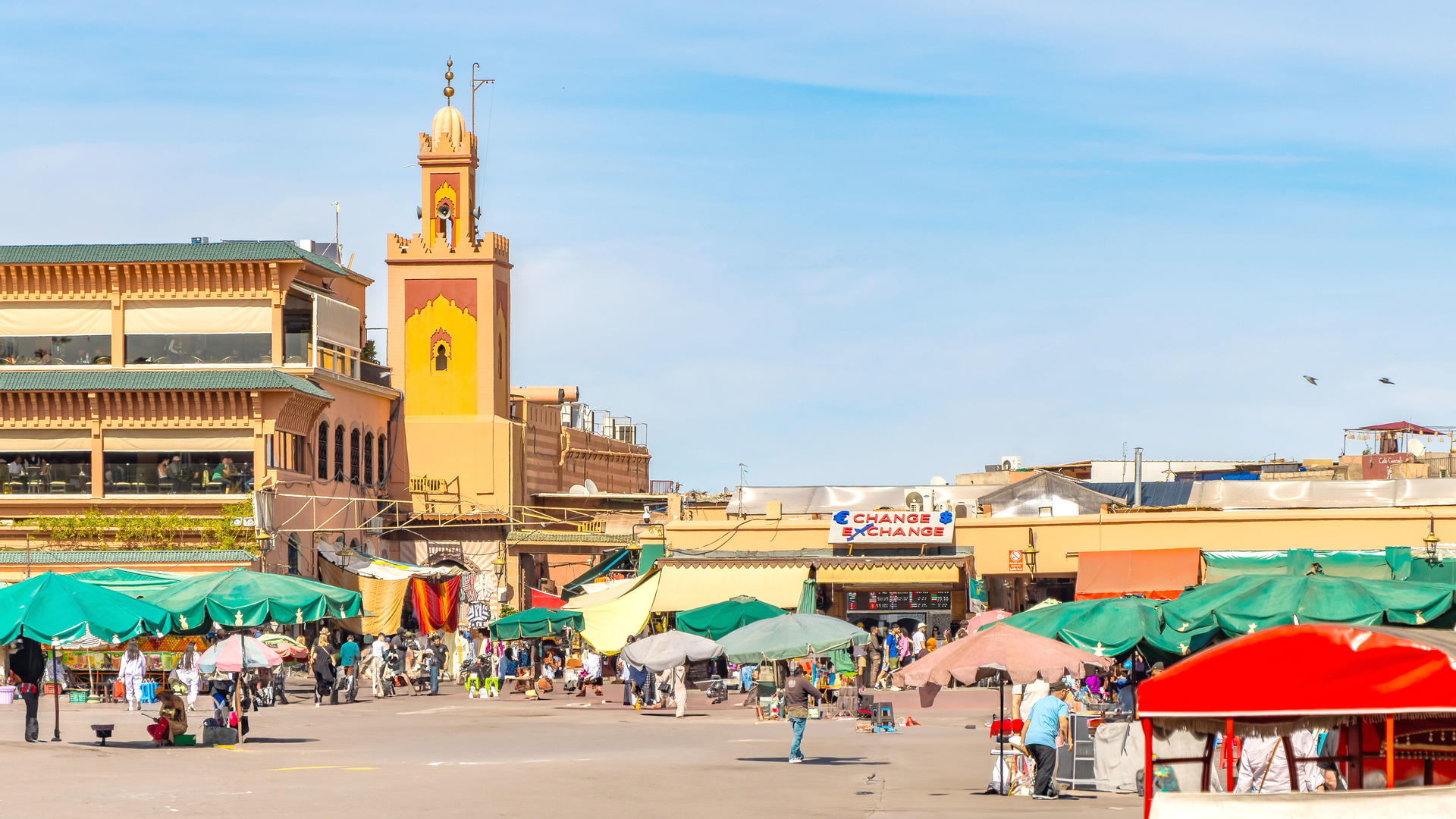
The medina of Marrakech is the beating heart of the Red City — a UNESCO-listed walled quarter laid out by the Almoravids in 1062 and layered ever since by the Almohads, Saadians, and Alaouites. The 77-meter minaret of the Koutoubia Mosque, built under the Almohads, served as the architectural model for La Giralda in Seville and still anchors the medina's skyline from every rooftop.
Inside, the streets open into the famous Jemaa el-Fna square — a UNESCO Masterpiece of Oral and Intangible Heritage — which transforms at dusk into an open-air theatre of musicians, storytellers, food vendors and snake charmers. Around it stretch the great souks (leather, lanterns, carpets, spices, brass), the Saadian Tombs, the Bahia Palace, the El Badi ruins, and the restored Medersa Ben Youssef. See our full Marrakech travel guide for everything to see, eat and do.
Medina of Essaouira (Mogador)
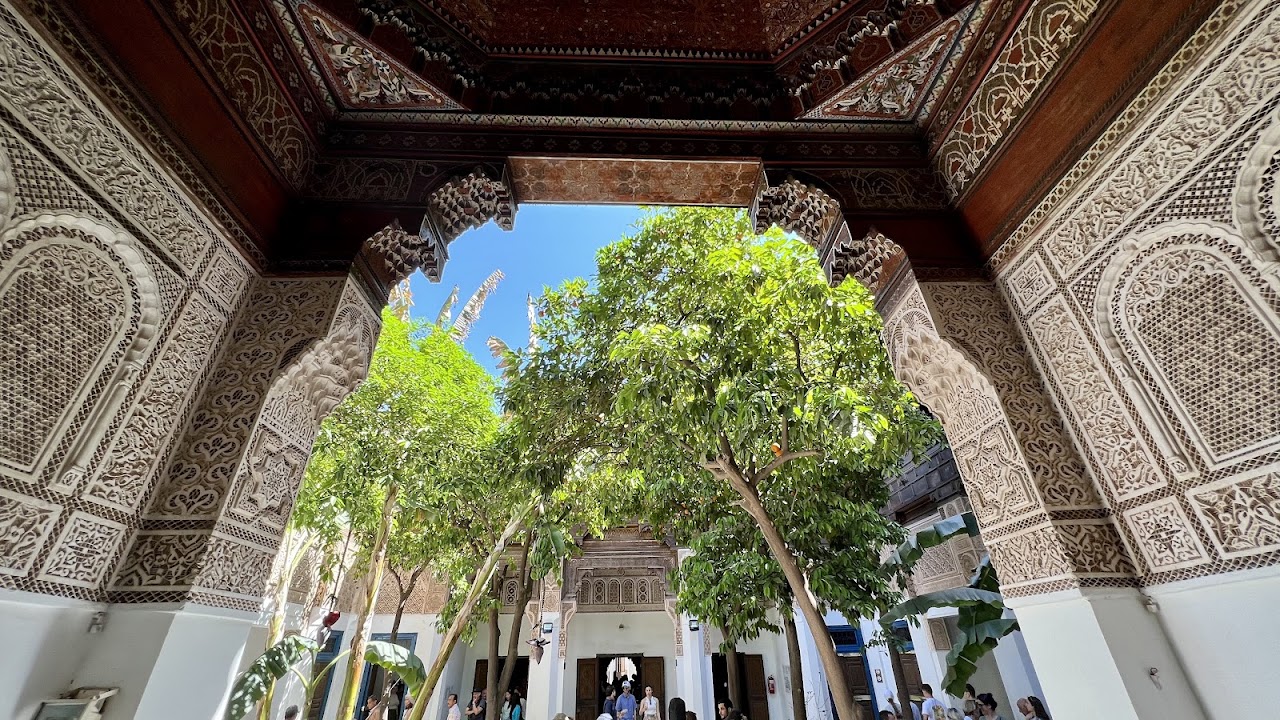
Known historically as Mogador, the medina of Essaouira is one of the most singular old cities in Morocco — a mid-18th-century fortified port built to Sultan Sidi Mohammed ben Abdallah's specifications by a French engineer captured during a Salé-pirate raid. The result is a perfectly geometric, Vauban-style walled town facing straight out onto the Atlantic, ringed by ramparts and bristling with bronze cannons.
Inside, the white-and-blue alleys are wider and breezier than in inland medinas, the souks calmer, and the rhythm slower. The Skala de la Ville bastion gives one of the great rooftop views in Morocco; the working port still unloads fresh sardines at dawn; the old Mellah (Jewish quarter) is being slowly restored, telling the story of Essaouira's centuries as a cosmopolitan trading post. Add it to any itinerary that crosses Marrakech — it's a 2.5-hour drive west and a perfect contrast to the Red City's intensity.
Medina of Rabat
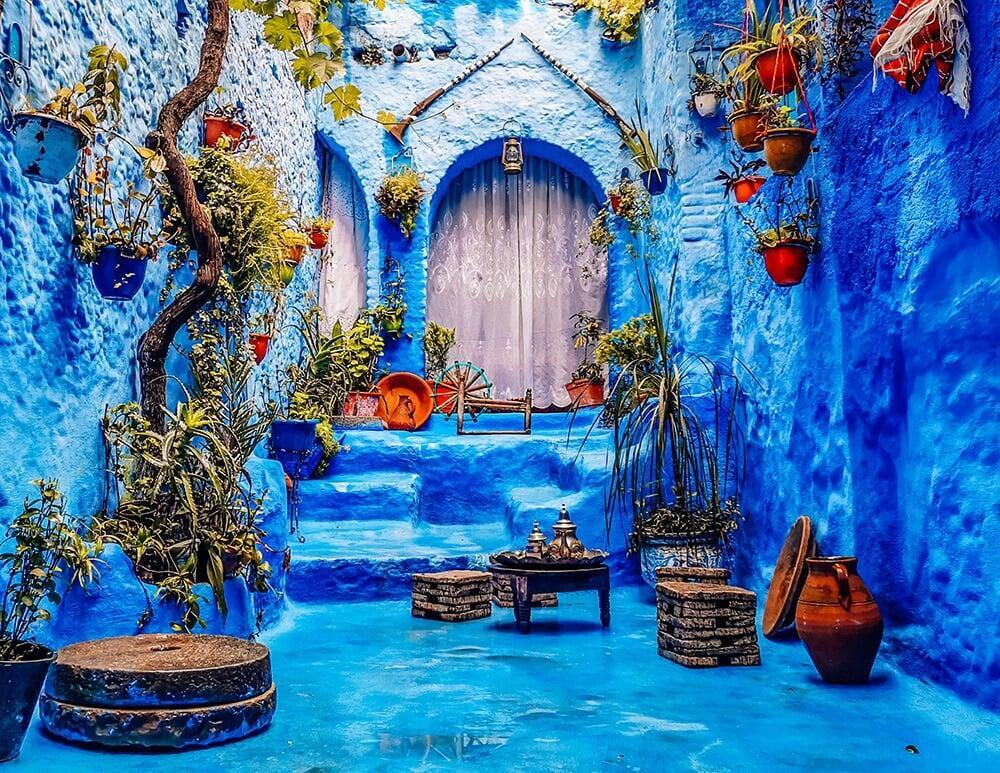
Often overlooked by first-time travelers, the medina of Rabat is one of Morocco's most rewarding — quieter than Fes and Marrakech, with a strong Andalusian character that comes from the Spanish Muslims expelled by Philip III in the early 17th century. The medina sits between Almohad-era ramparts, the Atlantic Ocean, and the Bou Regreg river, with the famous Kasbah of the Udayas perched dramatically on a bluff above the river mouth.
Inside the kasbah, the blue-and-white painted alleys feel uncannily like Chefchaouen in miniature, opening onto a small Andalusian garden and a clifftop café with one of the best views in Morocco. In the medina proper, Rue Souika and Souk es-Sebbat are working leather and shoemakers' streets, while the Rue des Consuls is the place to buy Rabati carpets — one of the city's most prized crafts. Don't leave without visiting the Hassan Tower and the haunting ruins of Chellah just outside the medina walls — both part of the same UNESCO listing.
4.9 ★
TripAdvisor rating
300+
Traveler reviews
100%
Private departures
Explore on FootA Country Walked Through, Not Driven Past
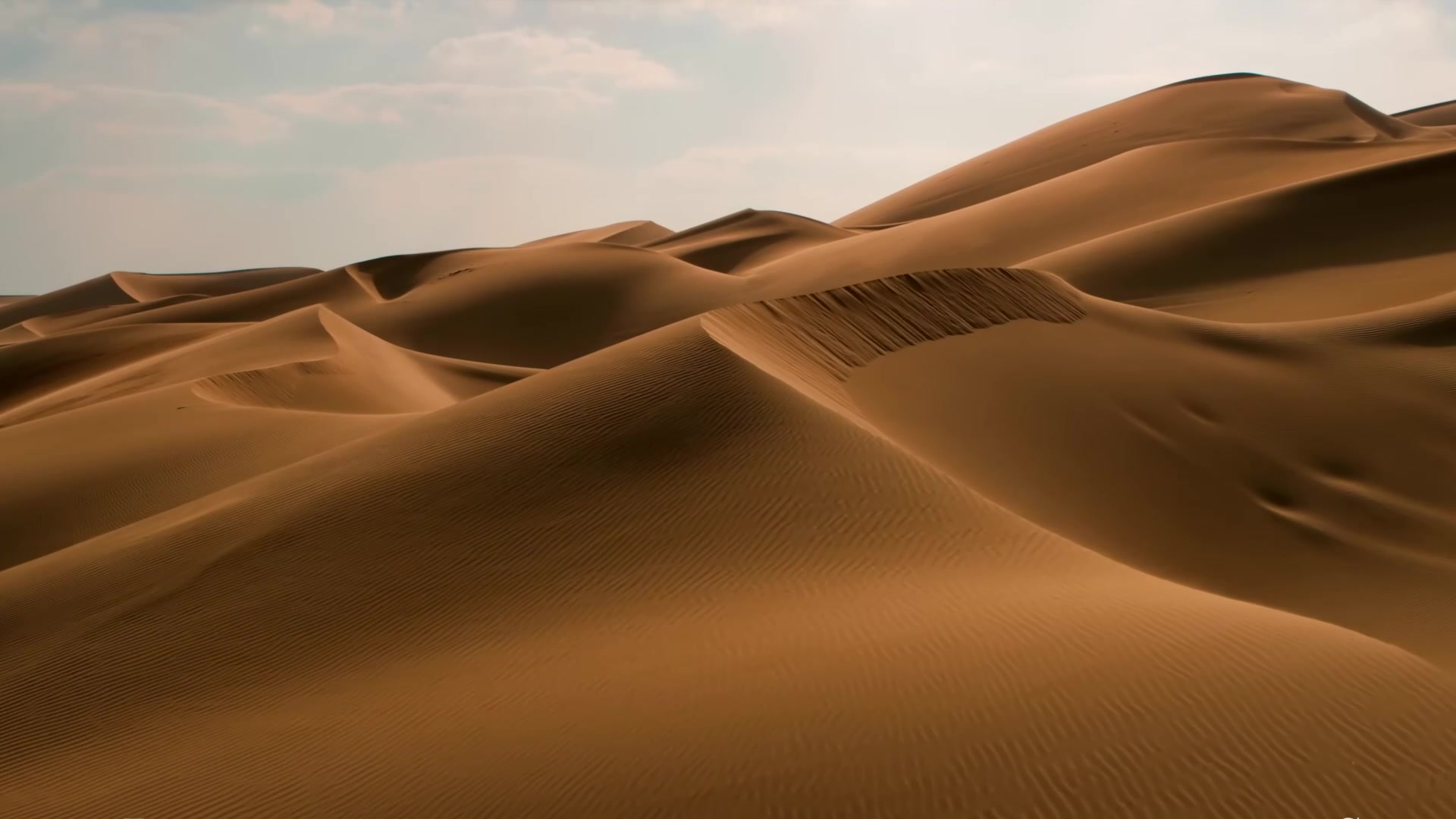
Whichever medinas you choose, the right way to experience them is on foot, slowly, with a guide who lives in them. Tell us which cities you want to see and we'll design a private Morocco itinerary that puts you inside the walls — and not just looking at them from the bus window.
Top rated Family friendly
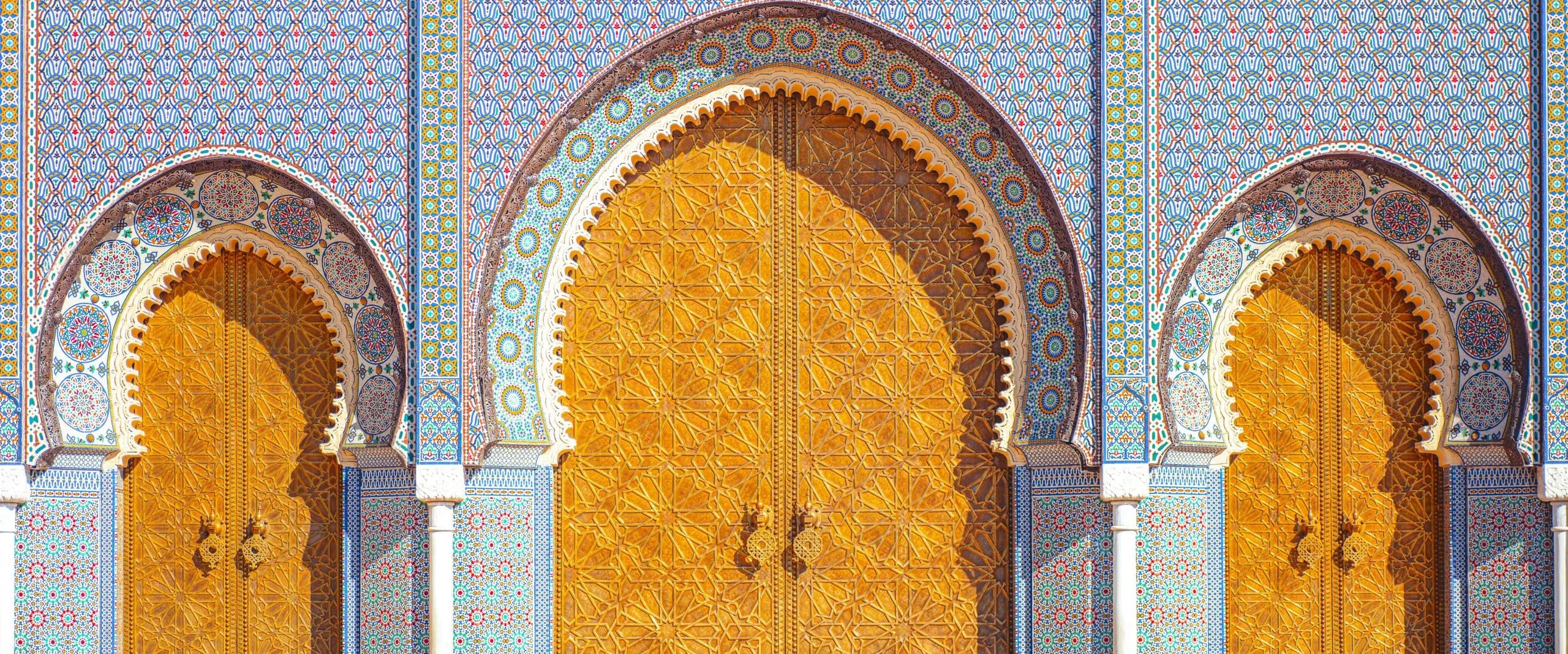 Best value
Related readingKeep exploring Morocco's cities
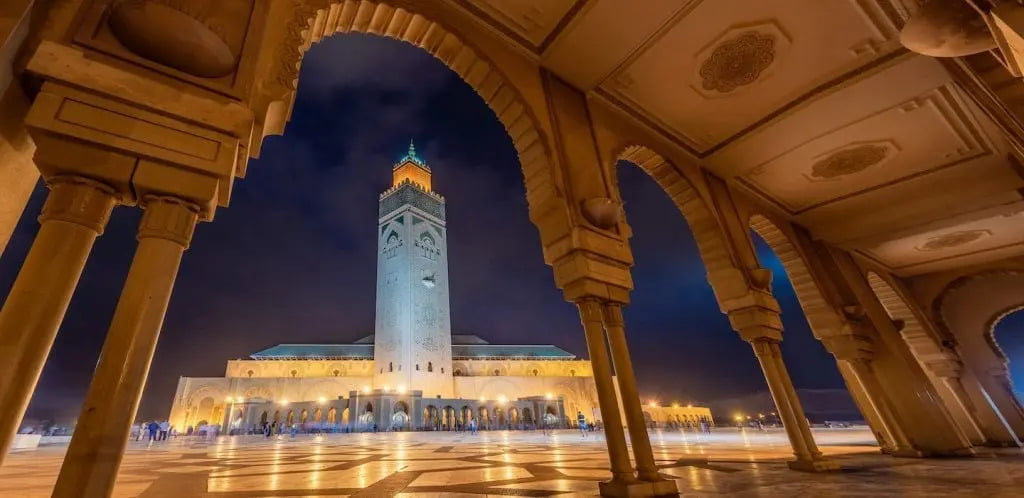
Casablanca travel guide
Art Deco boulevards, the Atlantic corniche and Morocco's grandest mosque.
Read more →
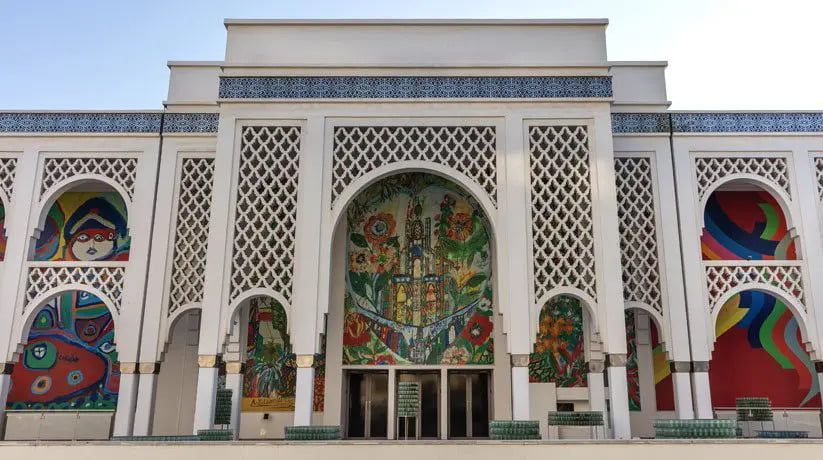
Museums & galleries
Thirteen collections that hold Morocco's craft, art and imperial history.
Read more →
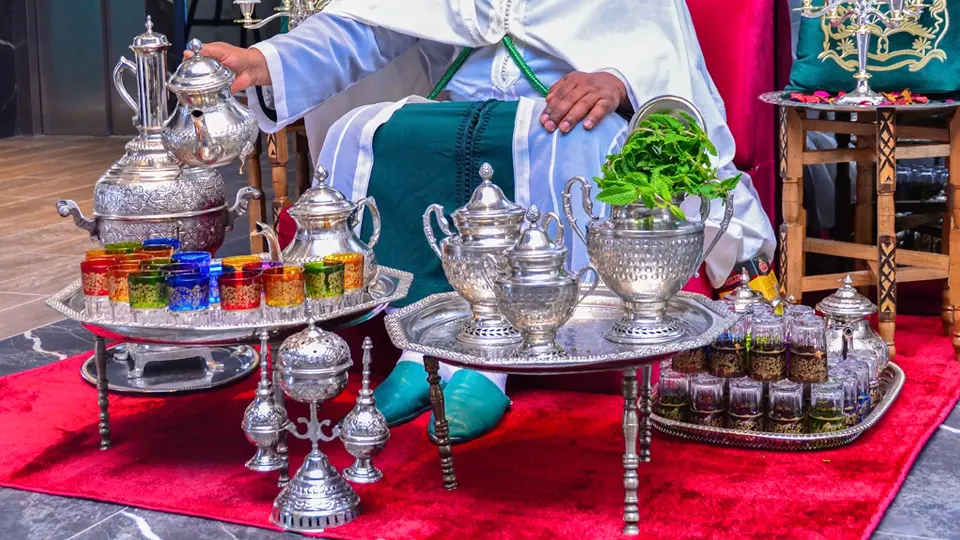
Moroccan culture & cuisine
The traditions, food and hospitality that fill every medina you'll walk.
Read more →
A written proposal within 48 hours — no deposit, unlimited revisions.
Design my journeyProposal in 24–48h · No deposit to start · Unlimited revisions
Begin your journey
Reading is lovely. Going is better.
Everything on this page comes from more than twenty-five years of taking travellers there. Tell us what moves you and it becomes an itinerary.
Proposal in 24–48h◆No deposit to start◆Unlimited revisions
Start with the journeys or how it works.