 Top rated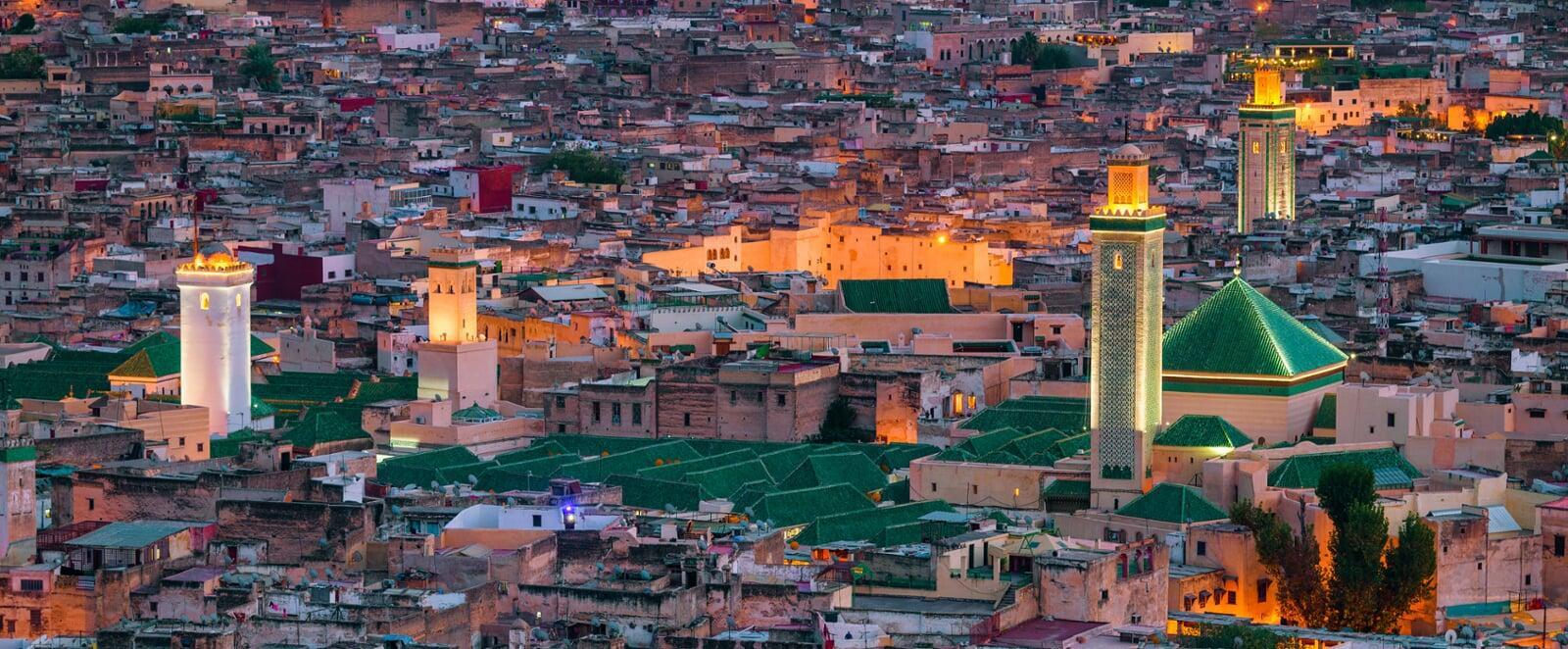
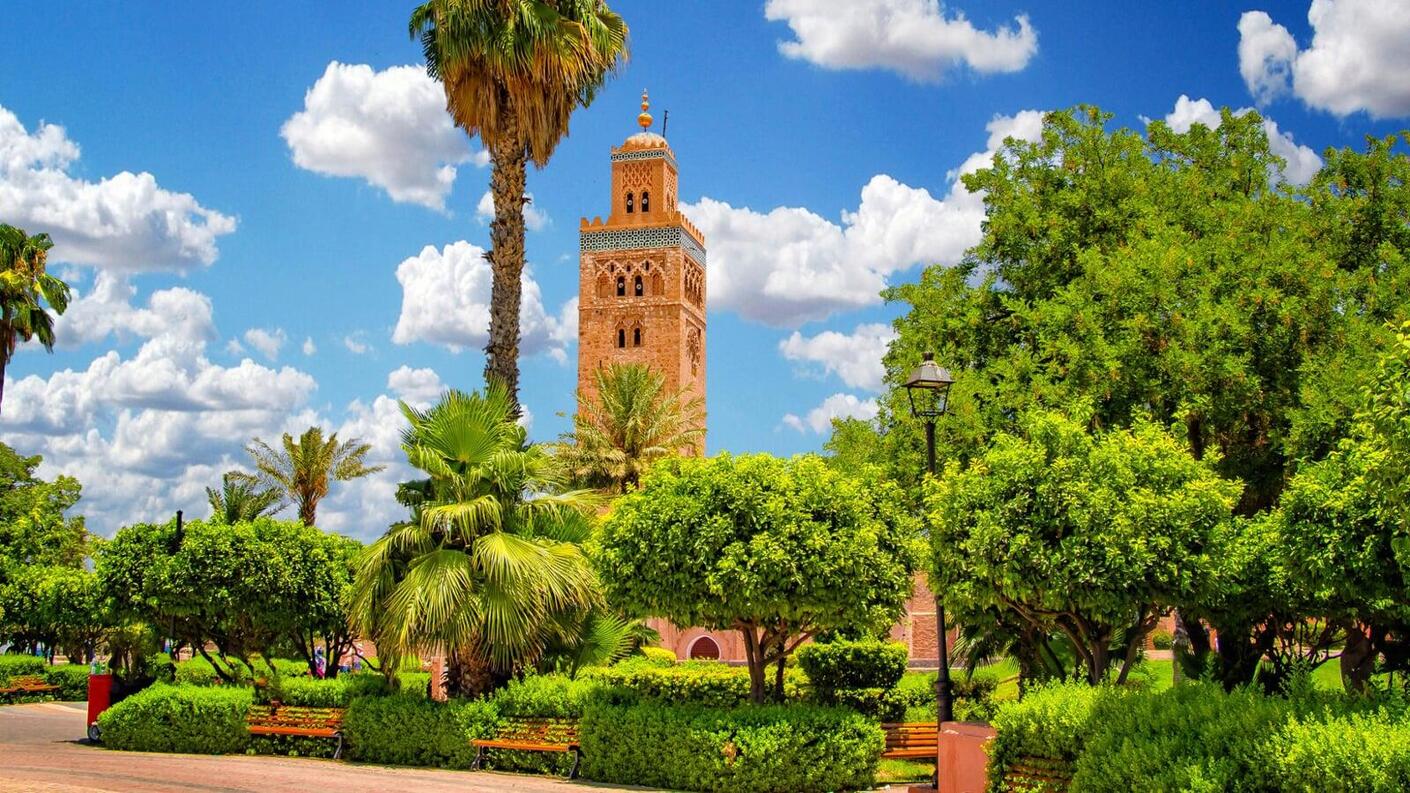
Private Morocco travel
A 9-day private journey through Morocco's four medieval imperial capitals — Marrakech, Fes, Meknes, and Rabat — plus the UNESCO Roman ruins at Volubilis and the Middle Atlas cedar forests. This is the tour for travelers whose first interest is culture, architecture, and ancient medinas, with 1,500 years of North African history covered in nine unhurried days.
1,500 Years of HistoryThe Four Imperial Capitals of Morocco — Why They Matter
Morocco's four imperial cities — Marrakech, Fes, Meknes, and Rabat — are the medieval capitals of the Almoravid, Almohad, Marinid, and Alaouite dynasties. Each ruled at a different point between the 11th and 17th centuries, and each left its city as the political and cultural centre of an empire that at times stretched from southern Spain to Senegal. Visiting all four in one itinerary, with the UNESCO Volubilis Roman ruins included, gives you 1,500 years of North African history concentrated into nine days.
This is the tour for travelers whose first interest is culture, architecture, and ancient medinas — not the Sahara. You'll walk the world's largest car-free urban area (Fes el-Bali, roughly 9,000 alleys), visit the Hassan II Mosque, see Al-Qarawiyyin University (founded 859 CE, among the oldest continuously operating universities on earth), and end in Marrakech to see how an imperial capital becomes a twenty-first-century city without losing its soul. Sahara desert days can be added on request, and if you'd like to compare options first, our full range of Morocco tours shows every itinerary side by side.
4.9 ★
TripAdvisor rating
300+
Traveler reviews
100%
Private departures
City by CityThe Four Imperial Capitals
Each capital reflects a different dynasty and a different era of Moroccan power. Here is what you see in each city, and why each one matters.
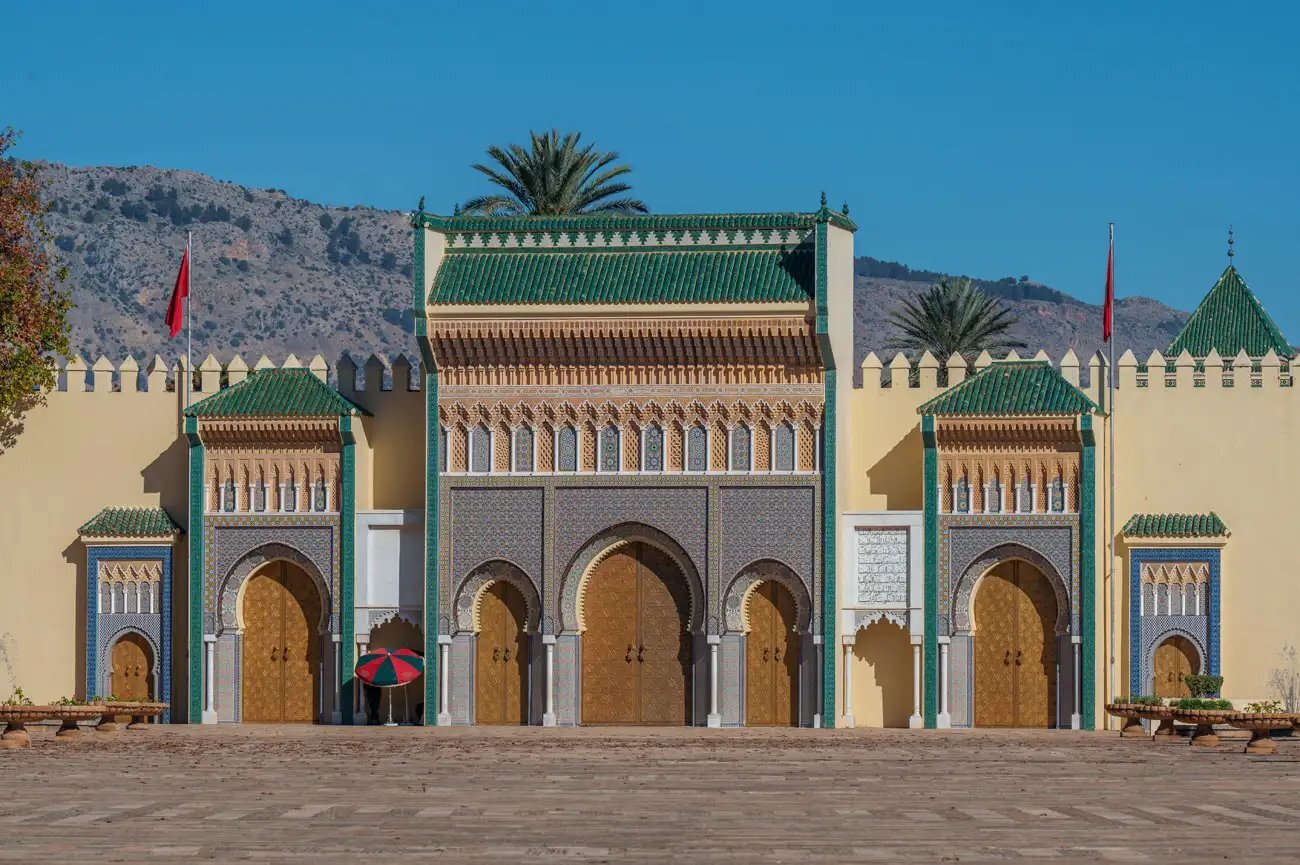
Fes — The Spiritual & Intellectual Capital
Fes el-Bali is the world's largest car-free urban area and the oldest continuously inhabited Islamic city. The Marinid dynasty made it Morocco's intellectual capital in the 13th century, home to Al-Qarawiyyin University, the Chouara Tanneries, and the Bou Inania Madrasa.
Read more →
Marrakech — The Red City
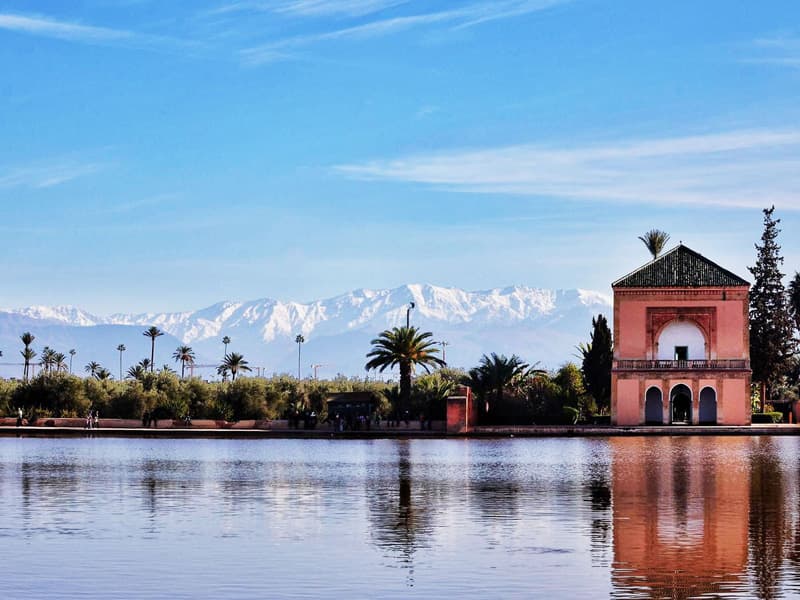
Founded in 1062 by the Almoravids, Marrakech is Morocco's most dramatic imperial city — rose-coloured walls, royal palaces, and the Djemaa el-Fna square that UNESCO has recognized as an Intangible Cultural Heritage site.
Read more →
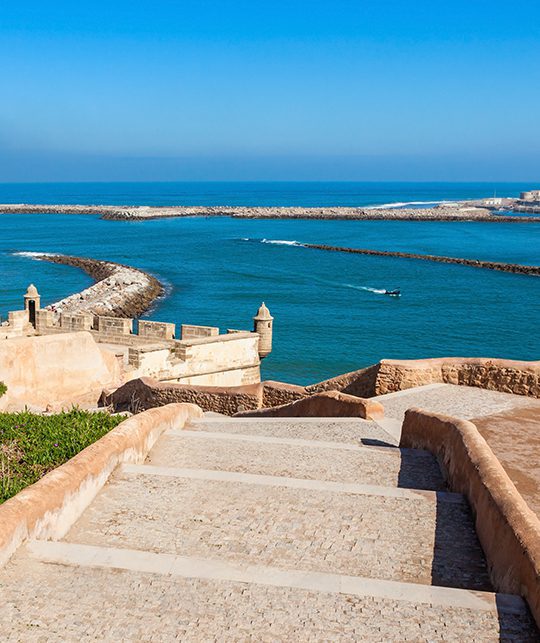
Rabat — The Quiet Capital
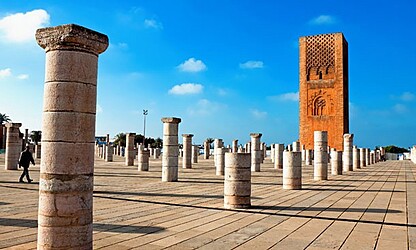
Morocco's actual capital today, and the cleanest, calmest, most walkable of the four imperial cities. Home to the Hassan Tower, the Mausoleum of Mohammed V, and the Kasbah of the Udayas overlooking the Atlantic.
Read more →
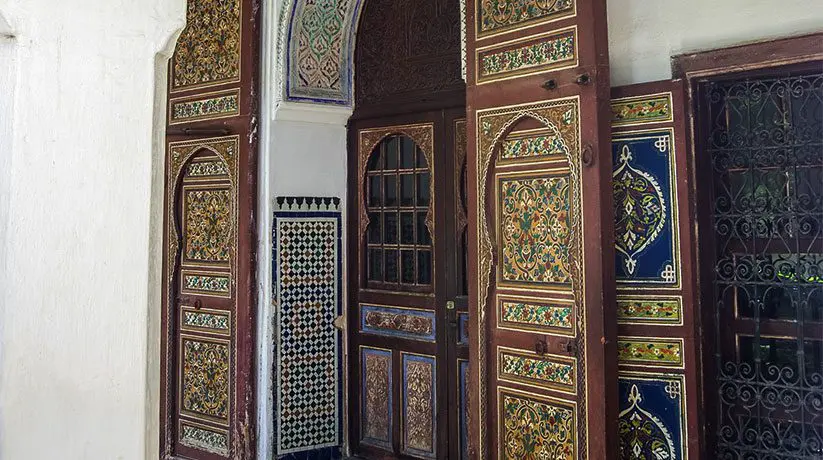
Meknes — The Underrated Capital
Sultan Moulay Ismaïl rebuilt Meknes between 1672 and 1727 to rival Versailles. Less crowded than Fes and Marrakech, its Bab Mansour gate and Royal Stables are often the surprise highlight of the tour.
Read more →
UNESCO HeritageFour UNESCO Sites in One Tour
The 9-day Imperial Cities itinerary covers four UNESCO World Heritage sites. The Roman ruins at Volubilis are the standout — Morocco's best-preserved Roman city, and a stop many less attentive tour operators skip entirely.
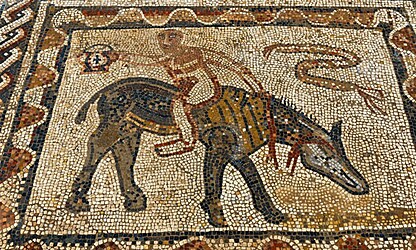
- Volubilis — Roman provincial capital of Mauretania Tingitana (1st–3rd century CE); the best-preserved Roman site in North Africa, with floor mosaics still in situ, a triumphal arch, basilica, and capitol. UNESCO-listed 1997.
- Fes el-Bali (Old Medina) — a 9th-century walled medieval Islamic city and the world's largest car-free urban area, with roughly 9,000 alleys of intact medieval fabric. UNESCO-listed 1981.
- Meknes (Historic City) — the 17th-century imperial capital of Moulay Ismaïl, sometimes called 'the Versailles of Morocco,' with vast walls, the monumental Bab Mansour gate, and royal stables built for 12,000 horses. UNESCO-listed 1996.
- Marrakech Medina — the 11th-century Almoravid capital with rose-coloured walls, the Djemaa el-Fna square (UNESCO Intangible Heritage), the Koutoubia Mosque, Saadian Tombs, and Bahia Palace. UNESCO-listed 1985.
- Rabat (Modern Capital and Historic Sites) — recognized as 'a modern capital and historic city: a shared heritage,' combining the 12th-century Almohad Hassan Tower, Chellah's Roman and Islamic ruins, and the Kasbah of the Udayas. UNESCO-listed 2012.
Route OptionsFour Imperial-Cities Itineraries
The 9-day Imperial Cities tour is the focused option. If you'd like more time, the Sahara added, or a north-to-south route, these related itineraries also include all four imperial capitals.
- 9-Day Imperial Cities (Pure Culture) — Casablanca to Marrakech, all four imperial capitals plus Volubilis and Ouzoud Waterfalls, no Sahara.
- 11-Day Exotic Morocco — Casablanca round trip, all four imperial cities plus the Sahara at Erg Chebbi; our most-booked itinerary overall.
- 13-Day Discover Morocco — Casablanca round trip, imperial cities plus Chefchaouen, the Sahara, and the Essaouira Atlantic coast.
- 14-Day Majestic Morocco — the grand loop, with imperial cities, Tangier, Chefchaouen, the Sahara, and Essaouira.
Day-by-Day ItineraryWhat Each Day Looks Like
The standard 9-day Imperial Cities tour, day by day. Every itinerary is fully customizable through our tailor-made planning process — extend Fes by a day, add Sahara nights, or swap Ouzoud for Chefchaouen.
- 1
Casablanca Arrivalprivate airport transfer, welcome dinner, evening at leisure to settle into your riad or hotel.
- 2
Casablanca to Rabatguided visit to the Hassan II Mosque, then on to Rabat for the Mohammed V Mausoleum, Hassan Tower, Kasbah of the Udayas, and Chellah ruins.
- 3
Meknes to Volubilis to FesBab Mansour gate, the royal stables, Heri es-Souani, the pilgrimage town of Moulay Idriss, and the UNESCO Volubilis Roman ruins before arriving in Fes.
- 4
Fes, full day guideda licensed local guide leads the Attarine Madrasa, Chouara Tanneries, Al-Qarawiyyin, Bou Inania, the Royal Palace gates, and the Jewish Mellah.
- 5
Azrou to Ben El Ouidane LakeMiddle Atlas cedar forests and Barbary apes at Azrou, then south through Ifrane to the Ben El Ouidane reservoir.
- 6
Ouzoud to Marrakecha guided hike to the 110-metre Ouzoud Waterfalls, the tallest in North Africa, then on across the Atlas plains to Marrakech.
- 7
Marrakech, guidedSaadian Tombs, Bahia Palace, Koutoubia Mosque, Ben Youssef Madrasa, the souks of the medina, and Djemaa el-Fna at sunset.
- 8
Marrakech, free dayoptional hot-air balloon at dawn, a traditional hammam, a cooking class, the Majorelle Garden, or simply time to enjoy the riad.
- 9
Departureprivate transfer to Marrakech Menara Airport, with the option to extend to the Essaouira coast or add a Sahara excursion.
Best Time to GoWhen to Visit Morocco's Imperial Cities
The imperial cities are year-round destinations, but the medinas of Fes and Marrakech are far more pleasant outside the summer heat. Spring and autumn are ideal.
- Spring (March–May) — peak season, with comfortable walking weather, blossoming gardens, and ideal conditions for medina days.
- Summer (June–August) — hot inland, with Fes and Marrakech reaching 38–42°C; plan medina visits for early morning or evening.
- Fall (September–November) — the best season for first-time visitors, with warm days, cool nights, and harvest season in the Middle Atlas valleys.
- Winter (December–February) — mild and quiet, with riads offering fireplaces; the Christmas and New Year period books out 8+ months ahead.
Why Book With UsSix Reasons to Tour Imperial Morocco With Us
The imperial cities reward a serious, well-guided tour. Budget operators run shared minibuses, give you ninety minutes in each medina, and call it a day. Here's what's different about a private Gateway2Morocco itinerary.
- ✓Licensed medina guides — every medina day is led by a Ministry-of-Tourism-licensed local historian, not a freelance hustler.
- ✓Volubilis is included, not skipped — the best-preserved Roman ruins in Africa are a proper stop, not a footnote.
- ✓Two nights in Fes, not one — Fes deserves two nights minimum to do the medina, Al-Qarawiyyin, the tanneries, and the Bou Inania madrasa justice.
- ✓Private, never shared — your vehicle, your group, your driver, with no coach loaded with strangers.
- ✓BPCPA Travel License #80460 — a North-American-registered agency, with your deposit held under regulated trust rules.
- ✓USD-native pricing — you see and pay in U.S. dollars, with no surprise foreign-transaction surcharges.
Top rated Most popular
Common QuestionsFAQs
What are the four imperial cities of Morocco?+
Morocco's four imperial cities are Marrakech, Fes, Meknes, and Rabat — each served as the capital of a different ruling dynasty between the 11th and 17th centuries. Marrakech was the Almoravid capital, Fes the Marinid, Meknes the Alaouite capital under Moulay Ismaïl, and Rabat the Almohad capital and Morocco's current modern capital. Each city has its own architectural language, historical era, and atmosphere.
How long do you need for an Imperial Cities tour of Morocco?+
Nine days is the optimal length — it fits all four imperial capitals (Casablanca, Rabat, Meknes, Fes), the UNESCO Volubilis Roman ruins, the Middle Atlas cedar forests with the Barbary apes at Azrou, Ouzoud Waterfalls, and Marrakech without rushing. Eight days is workable but tight. Twelve or more days lets you add the Sahara, Chefchaouen, or the Atlantic coast at Essaouira.
Can I add the Sahara to an Imperial Cities tour?+
Yes — our 11-day Exotic Morocco or 13-day Discover Morocco itineraries add the Sahara at Erg Chebbi between Fes and Marrakech, extending the trip by two to four days. Many clients choose the focused 9-day cultural tour without it, while others prefer to add the desert.
Which is the best imperial city of Morocco?+
Most travelers say Fes — it's the largest, oldest, and most intact medieval Islamic city in the world, and Morocco's architectural and intellectual capital. Rabat is the cleanest and most pleasant to walk. Meknes is the most underrated. Marrakech has the strongest first-day energy. The 9-day tour gives you all four so you can decide for yourself.
Are the medinas of Fes and Marrakech safe to walk in?+
Yes, with a licensed guide. The medinas of Fes (roughly 9,000 alleyways) and Marrakech are car-free, busy, and easy to get lost in. On a Gateway2Morocco tour, a Ministry-of-Tourism-licensed local guide keeps you oriented on medina days, steers you away from high-pressure shop fronts, and knows which madrasas and historical sites are open that day.
Do you visit the Chouara tanneries in Fes?+
Yes, as part of the Fes day. The Chouara tanneries are among the most photographed sites in Morocco — 9th-century leather-working technique still in active daily use. Mint sprigs are provided to mask the smell, and the route takes in the best viewing terraces, with no high-pressure leather sales unless you specifically want to shop.
Is Volubilis worth visiting?+
Absolutely, and it's one of the things most operators skip. Volubilis is the best-preserved Roman site in North Africa: a 1st–3rd-century CE provincial capital with floor mosaics still in situ, a triumphal arch, basilica, and capitol. The drive from Meknes to Fes passes right by it, and the floor mosaics alone are worth the stop for anyone interested in Roman archaeology.
Can the Imperial Cities tour be done from Marrakech instead of Casablanca?+
Yes — the itinerary can run in reverse: Marrakech to Fes to Meknes to Rabat to Casablanca, ending at Casablanca airport. This works particularly well if your inbound flight is into Marrakech and your outbound is from Casablanca, or vice versa. The route, sites, and total days stay the same; only the direction of travel changes.
How far in advance should I book?+
For peak season (March–May and September–October), book four to six months ahead, since riads in Fes and Marrakech fill up. For Christmas and New Year, plan eight to ten months out. For shoulder seasons and summer, eight to twelve weeks is usually enough lead time, and last-minute bookings are sometimes possible in winter.
What's the difference between a riad and a hotel in the imperial cities?+
A riad is a traditional Moroccan house built around an interior courtyard, located inside the medina walls, typically with five to fifteen rooms and an intimate, architecturally distinctive feel. A hotel is usually located outside the medina, often in the modern Ville Nouvelle district, with more amenities, easier parking, and simpler vehicle access. We default to riads inside the medinas in Fes and Marrakech for authenticity, but can swap to hotels for more space or accessibility.
Are the Imperial Cities good for first-time visitors to Morocco?+
Yes — arguably the best first Morocco tour. You see the country's full cultural sweep without long, exhausting drives, since the four cities are spaced roughly 1.5 to 4 driving hours apart, with worthwhile stops along the way. It's culturally dense but logistically manageable, and it gives you a clear sense of whether you'd like to return for the Sahara, the coast, or the south.
Tell us your dates, group size, and whether you'd like to add the Sahara or stay focused on culture — we'll design a complete private Imperial Cities itinerary around you.
Design my journeyProposal in 24–48h · No deposit to start · Unlimited revisions
Begin your journey
Reading is lovely. Going is better.
Everything on this page comes from more than twenty-five years of taking travellers there. Tell us what moves you and it becomes an itinerary.
Proposal in 24–48h◆No deposit to start◆Unlimited revisions
Start with the journeys or how it works.